
Top Considerations for Precise Electrical and Plumbing Installations in the UAE
Precise electrical and plumbing installations can make or break your project’s success in the UAE. Many developers and project managers miss critical details like earthing and bonding, load calculations, or DEWA approvals, leading to costly delays. This guide highlights key factors you must consider for flawless MEP contracting UAE, ensuring smooth inspections and compliance. Share your drawings for a free MEP coordination review and secure a site assessment today.
Key Electrical Installation Insights
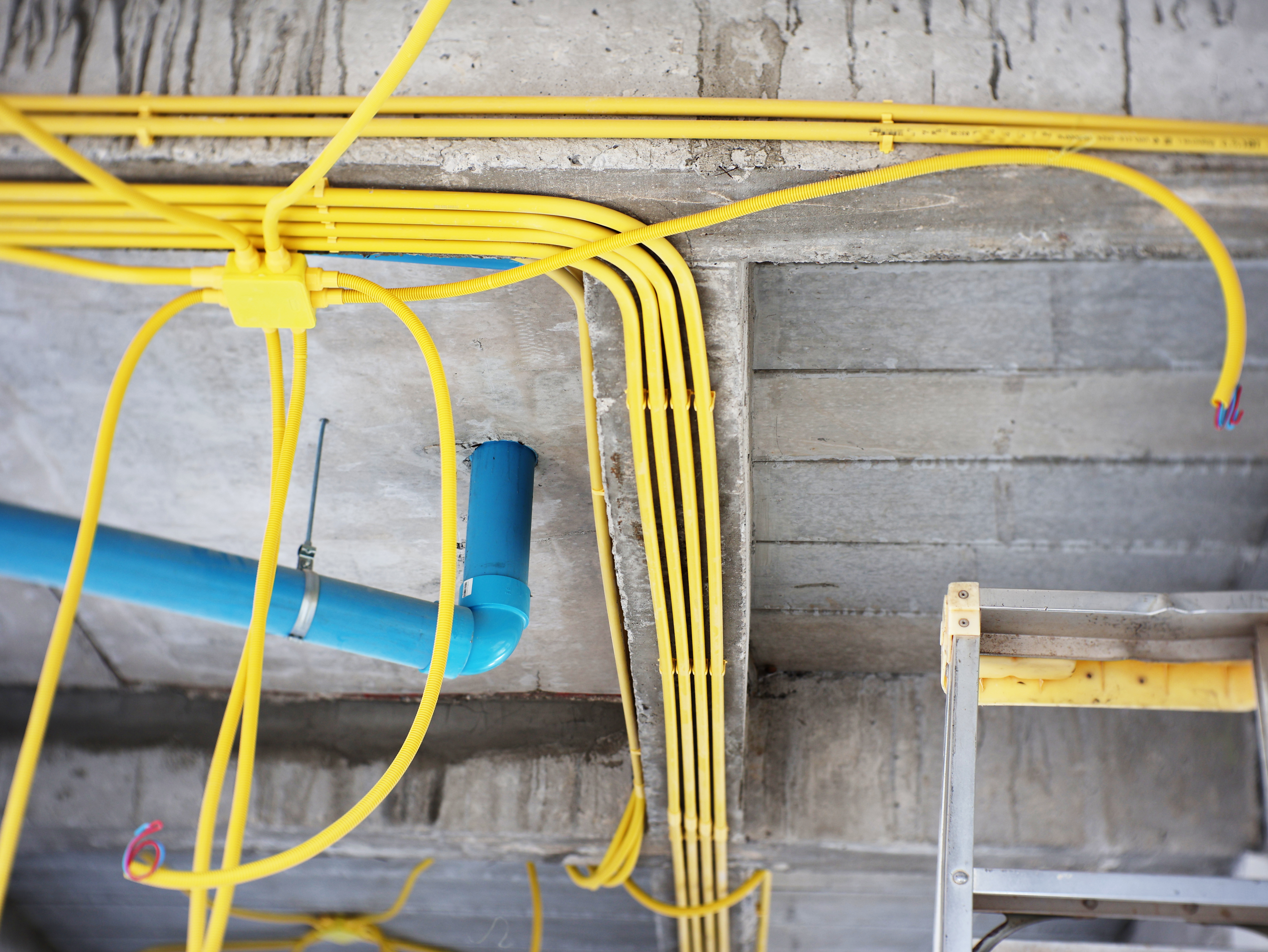
Understanding the nuances of electrical installations is crucial to the success of any project. Let’s explore the essential factors that ensure your electrical systems in the UAE are top-notch.
Earthing and Bonding Essentials
Earthing and bonding aren’t just technical terms—they’re lifesavers. Without proper earthing, electrical faults can pose serious hazards. Earthing helps to neutralize electrical surges, protecting both equipment and lives. It’s like a safety net for your building’s electrical system.
Bonding connects various conductive parts, reducing the risk of electrical shock. Think of it as creating a team in your electrical network, ensuring every component works harmoniously. Regular inspections are key. Checking connections and resistances helps maintain safety standards.
Load and Short Circuit Calculations
Accurate load calculations prevent overloads and inefficiencies. Miscalculating can lead to power failures and even fires. Knowing your load requirements is like planning a road trip: you need to know your destination and stops.
Short circuit calculations identify potential fault levels. This reduces risks of damage or failures, ensuring your system can handle unexpected demands. Regularly reviewing these calculations keeps your system robust and reliable, saving you from costly repairs.
Voltage Drop and RCD Protection
Voltage drop can affect appliance performance. Calculating this drop helps maintain efficiency and prolongs the life of your equipment. It’s about ensuring that every appliance gets the power it needs to function correctly.
RCD protection is crucial for preventing electrical shocks. These devices quickly cut off power during a fault, ensuring user safety. Regular testing and maintenance of RCDs is like keeping a first-aid kit ready—essential for safety and peace of mind.
Critical Plumbing Installation Factors
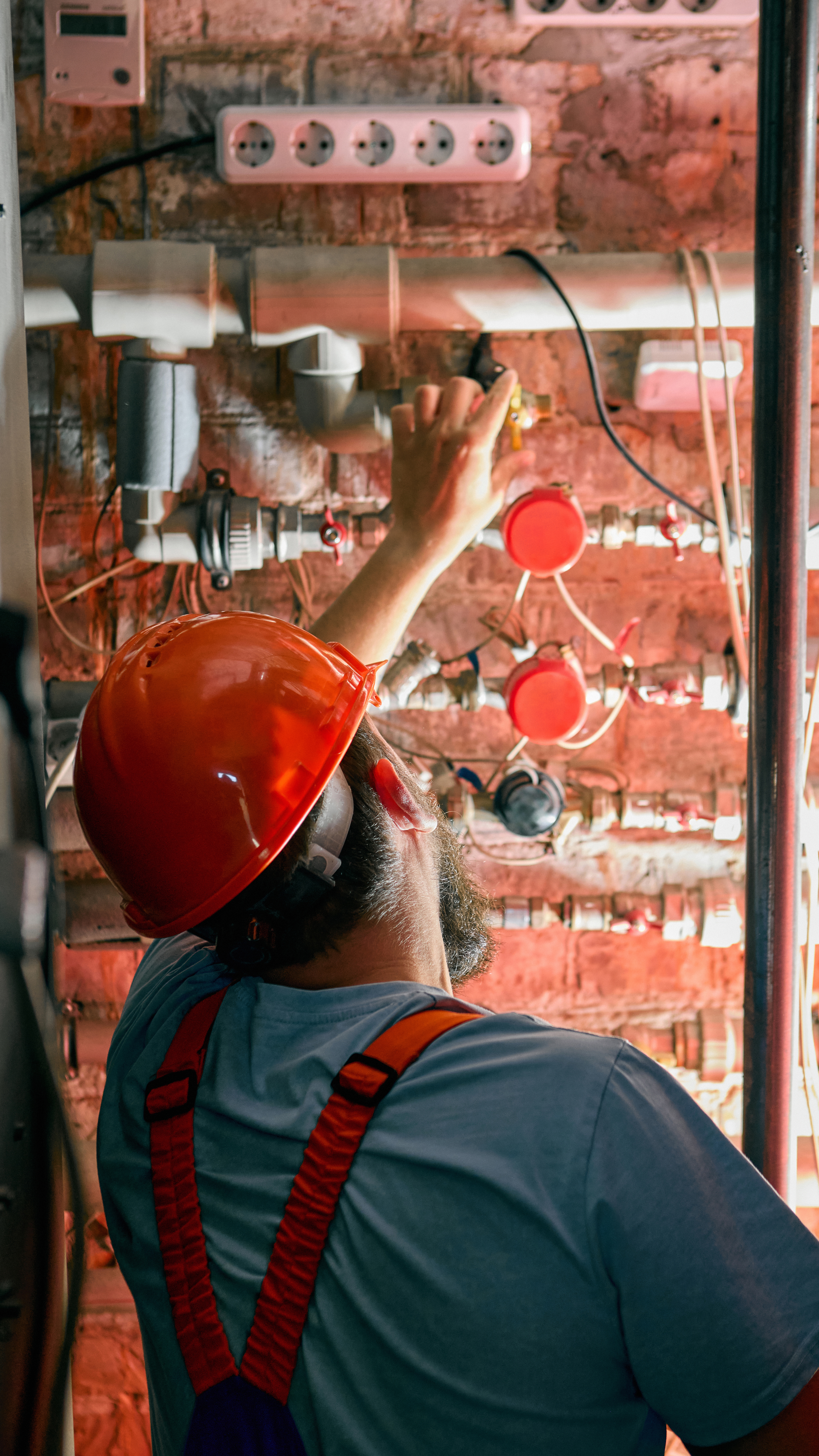
Plumbing installations are the backbone of any building’s functionality. Let’s dive into what makes them efficient and durable, ensuring your project stands the test of time.
Pipe Material Selection: PPR, CPVC, Copper
Choosing the right pipe material affects durability and efficiency. PPR, CPVC, and copper each have unique benefits. PPR is cost-effective and corrosion-resistant, suitable for hot and cold water systems. CPVC handles hot water well and is easy to install, making it ideal for residential projects. Copper is durable and has a long lifespan, perfect for high-pressure systems.
Consider your project’s specific needs when selecting materials. Understanding the environment and usage can guide this choice, helping to avoid costly repairs or replacements later.
Water Pressure and Hydrostatic Testing
Water pressure impacts everything from showers to sprinklers. Testing ensures that your system can handle the demands of daily use. Hydrostatic testing checks for leaks and weaknesses in the system. It’s like a stress test for your pipes, ensuring they hold up under pressure.
Regular testing keeps your plumbing reliable. Addressing issues early prevents major failures and keeps your building’s water system running smoothly.
Backflow Prevention Techniques
Backflow can contaminate clean water with harmful substances. Preventing it is crucial for health and safety. Techniques like air gaps and backflow preventers act as barriers, ensuring water flows correctly.
Implementing these techniques protects your building’s water supply. Regular maintenance and inspections ensure they function properly, safeguarding your occupants’ health.
Regulatory and Compliance Considerations
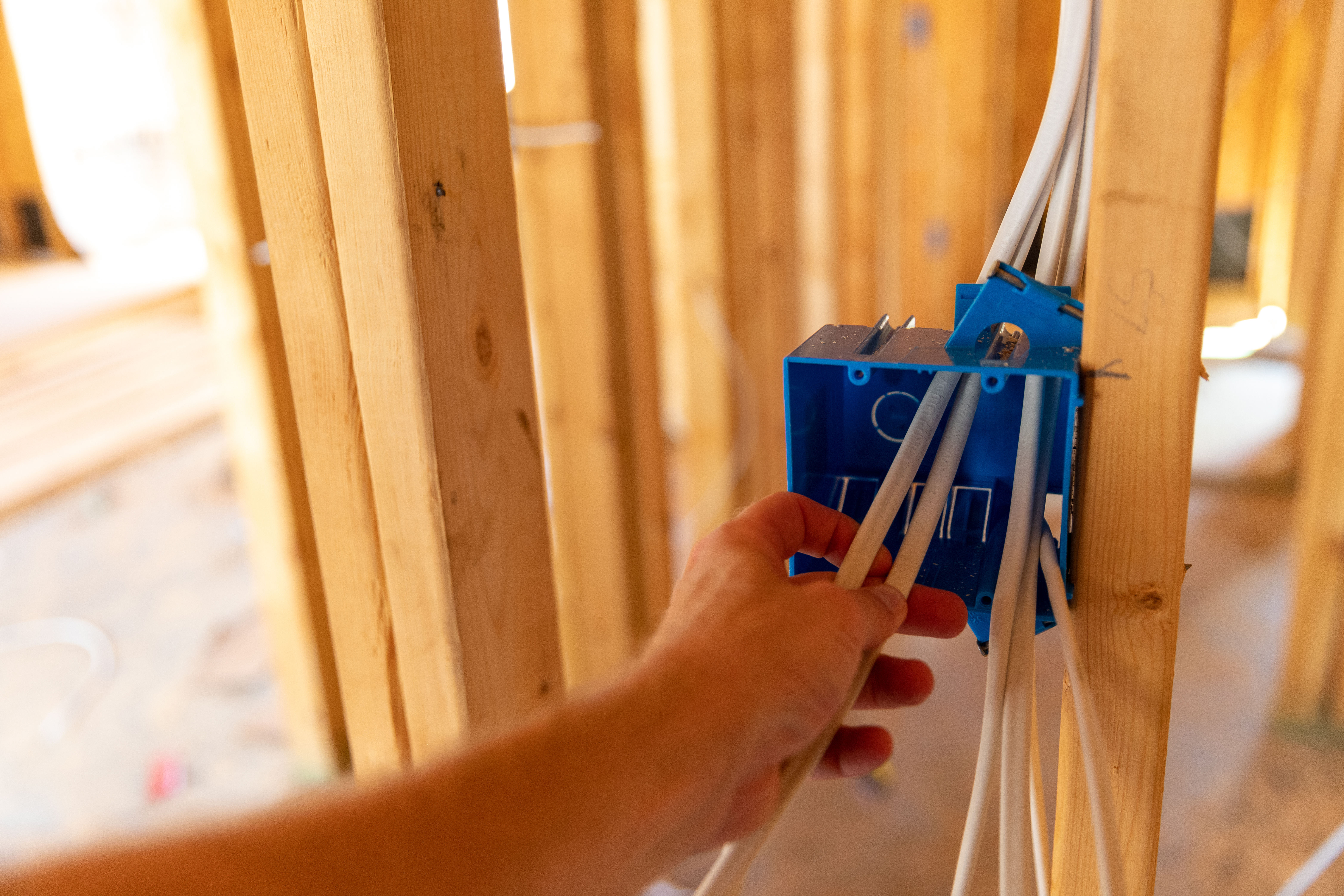
Navigating the regulatory landscape ensures your project remains compliant and avoids delays. Let’s explore the key approvals and codes necessary for your project’s success.
DEWA, ADDC, and Etihad WE Approvals
Securing approvals from DEWA, ADDC, and Etihad WE is crucial for your project’s legality and functionality. These bodies ensure that your electrical and water systems meet national standards. Understanding their requirements early in the project timeline can prevent delays and ensure compliance.
Submitting accurate documentation and maintaining open communication with these authorities streamlines the approval process. This proactive approach saves time and resources.
Dubai Municipality Inspection Requirements
Dubai Municipality inspections are a critical step in project completion. These inspections assess everything from structural integrity to safety codes. Ensuring that your project meets these standards is like passing a final exam.
Preparing for inspections involves understanding and implementing municipality guidelines. Regular site evaluations and documentation keep your project on track and compliant.
UAE Fire and Life Safety Code Compliance
Safety codes ensure that your building can withstand emergencies. The UAE Fire and Life Safety Code establishes guidelines to protect occupants and property. Adhering to these codes is essential for obtaining necessary certifications and ensuring safety.
Regular audits and updates to safety systems are crucial. Keeping up with code changes helps maintain compliance and provides peace of mind to occupants and stakeholders.
By focusing on these critical installation insights and compliance considerations, you’re setting your project up for success. Engage with these elements early in your planning, ensuring your project is efficient, safe, and compliant.