
Sustainable Construction Innovations Shaping the UAE’s Next‑Generation Buildings
Forget everything you know about sustainable construction UAE. Traditional methods can no longer meet today’s demands for green building UAE standards and energy-efficient HVAC systems. You need practical techniques that integrate civil and MEP contracting seamlessly, from BIM coordination to modular construction UAE. This blog breaks down innovations shaping next-generation buildings and how FirstWay stands ready as your trusted MEP contractor Dubai partner. Learn more about the future of sustainable buildings in the UAE.
Sustainable Construction Techniques
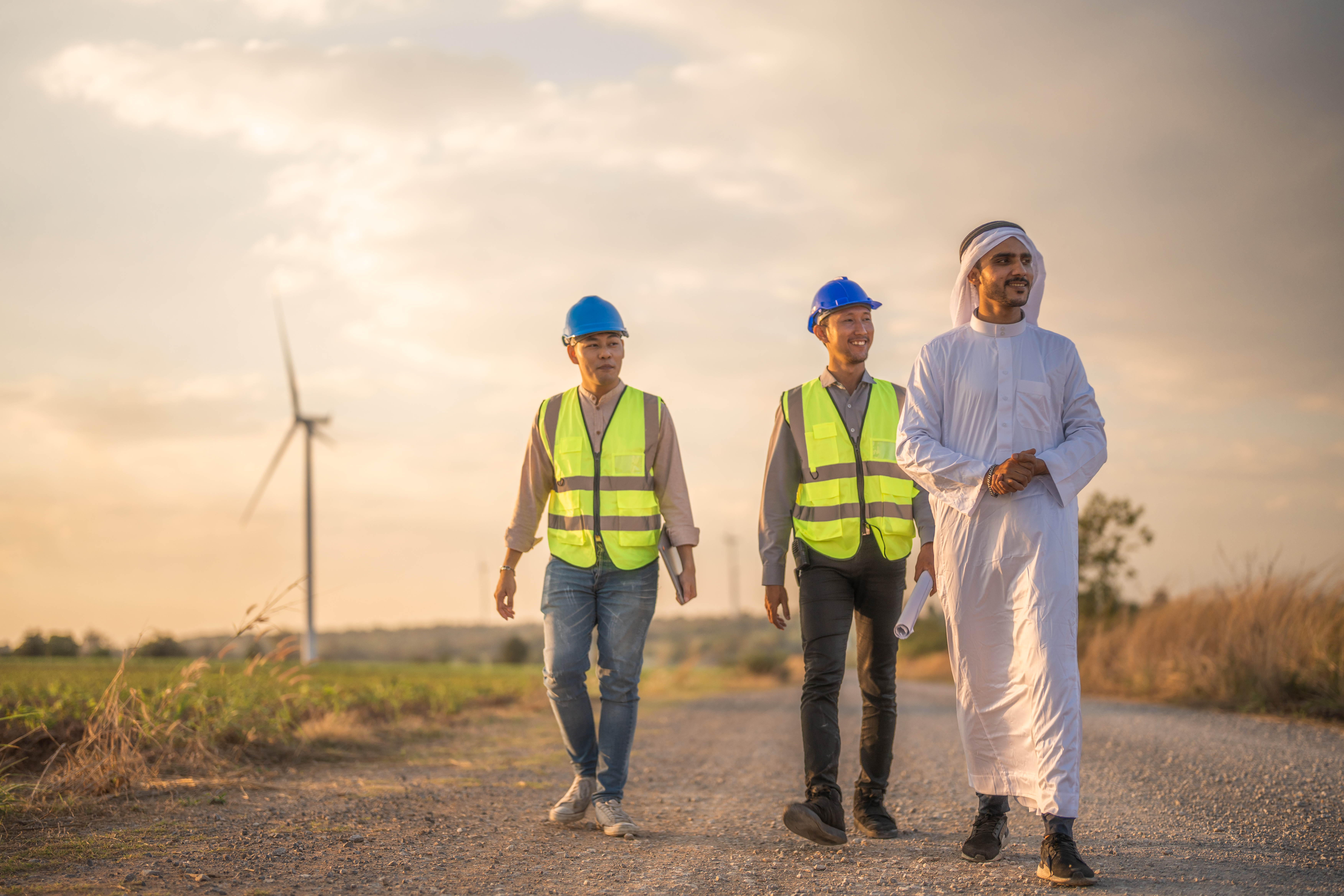
The construction industry in the UAE is undergoing a remarkable shift toward sustainability. This change emphasizes using materials and methods that promote environmental responsibility while ensuring structural integrity.
Low Carbon Building Materials
Choosing the right materials is crucial for sustainable building. Low carbon materials, like recycled steel or engineered wood, help reduce the carbon footprint of construction projects. Using these materials not only supports the environment but also often results in cost savings over time.
-
Recycled Steel: Using recycled steel significantly reduces energy consumption compared to new steel production. It’s durable and can be reused multiple times.
-
Engineered Wood: This material provides the strength of traditional wood but with less environmental impact. It supports sustainable forest management and reduces waste.
Imagine a world where all buildings contribute positively to the environment. With low carbon materials, this is becoming a reality. Builders who choose these materials are not just constructing buildings; they are creating a sustainable future.
Prefabricated MEP Solutions
Modular construction is gaining traction in the UAE, offering a faster, more efficient way to build. Prefabricated MEP (Mechanical, Electrical, and Plumbing) solutions are at the forefront of this trend.
Prefabrication involves assembling components in a factory setting before transporting them to the construction site. This method minimizes waste and enhances quality control. For example, MEP systems can be built with precision, ensuring a perfect fit upon installation.
-
Advantages of Prefabrication:
-
Speed: Building time can be reduced by up to 50%. This means projects finish faster, saving time and money.
-
Quality Control: Factory settings allow for stringent quality checks, reducing the likelihood of errors on site.
-
Prefabrication is not just a trend; it’s a practical solution for modern construction challenges. Companies adopting this approach can revolutionize the way we build, making construction faster and more reliable.
Advanced MEP Integration
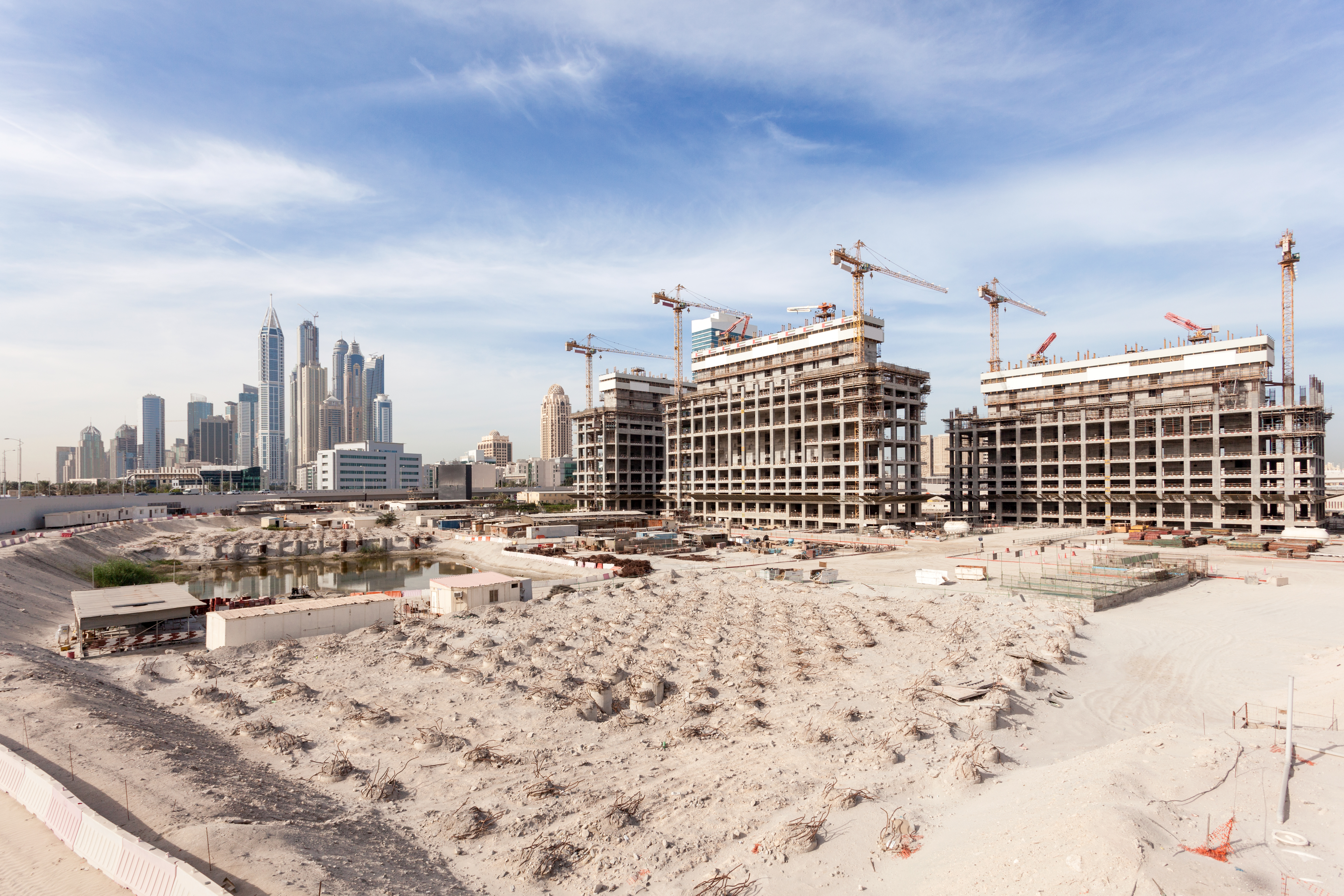
As buildings evolve, integrating advanced MEP systems becomes increasingly essential. These systems ensure buildings are not only functional but also energy-efficient and future-ready.
Energy-Efficient HVAC Systems
Heating, Ventilation, and Air Conditioning (HVAC) systems are vital for maintaining comfortable indoor environments. However, traditional systems often consume a significant amount of energy.
Energy-efficient HVAC systems are designed to reduce energy consumption while maintaining optimal performance. These systems use advanced technology like variable speed motors and smart thermostats to adjust energy use based on demand.
Incorporating energy-efficient HVAC systems can reduce energy bills by up to 30%, making them a cost-effective choice. Moreover, they contribute to a building’s sustainability, supporting green building standards like LEED and Estidama.
Smart Building Systems and Automation
The future of construction lies in smart building systems. These systems leverage technology to automate and optimize building operations.
-
Building Automation: Integrates various building systems, allowing them to communicate and work together. This results in improved efficiency and comfort.
-
Examples of Automation:
-
Lighting Control: Automatically adjusts lighting based on occupancy and natural light levels, reducing energy use.
-
Climate Control: Smart thermostats learn user preferences and adjust settings to maintain comfort while saving energy.
-
Automation not only enhances building performance but also improves occupant experience. Embracing these technologies positions buildings as pioneers in the smart building revolution.
Water and Energy Conservation
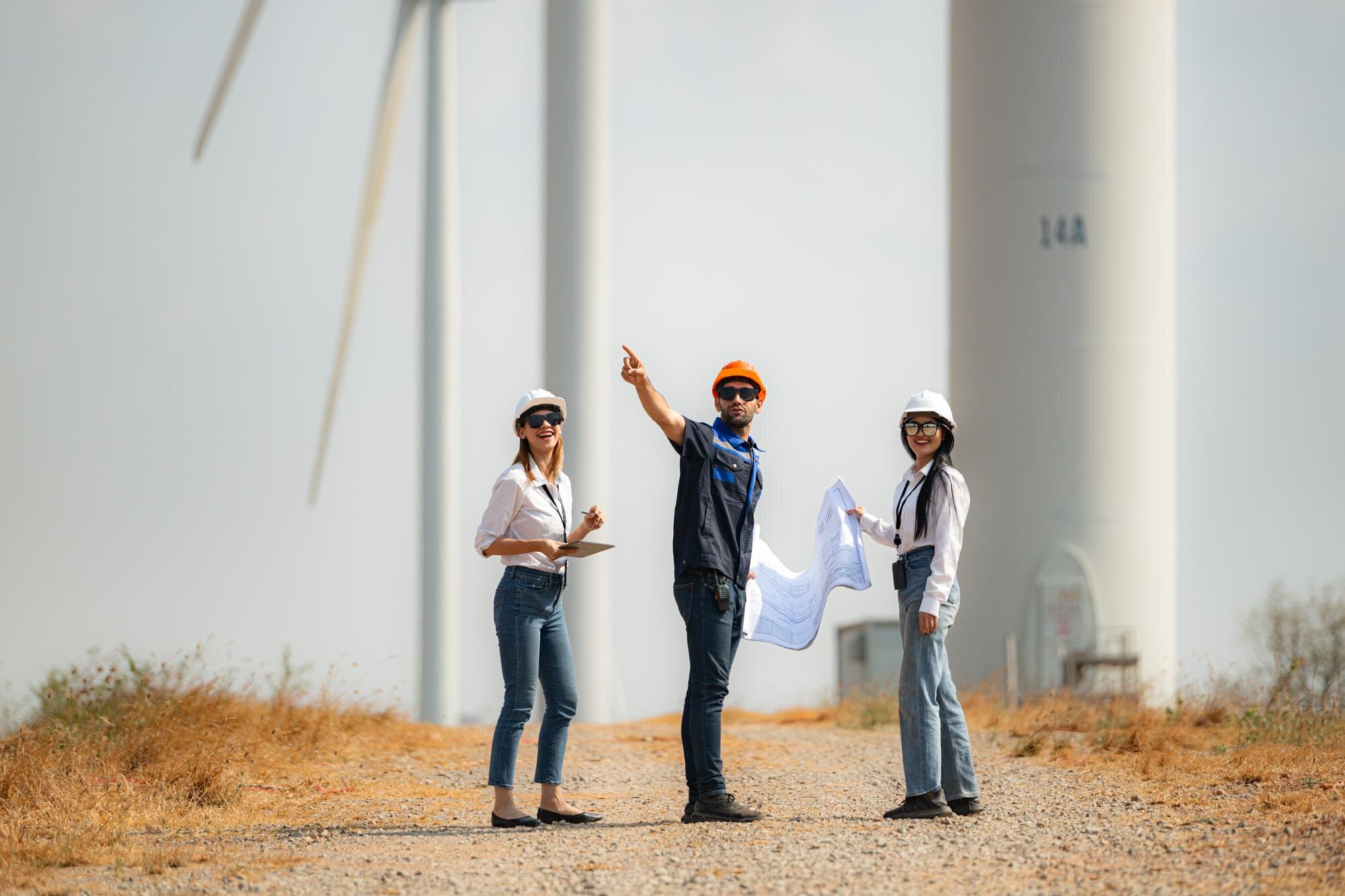
Sustainable construction is not just about materials and systems; it also involves conserving vital resources like water and energy.
Greywater Reuse and Conservation
Water is a precious resource in the UAE, making its conservation a priority. Greywater systems can significantly reduce water use by recycling water from sinks and showers for non-potable uses.
-
Benefits of Greywater Systems:
-
Water Savings: Can reduce household water consumption by up to 50%.
-
Reduced Strain on Water Supply: Diverts water from the sewer system, reducing treatment costs and environmental impact.
-
By implementing greywater systems, buildings can contribute to water conservation efforts, ensuring sustainability for future generations.
District Cooling and Solar Water Heating
Cooling is essential in the UAE’s climate, but traditional systems are energy-intensive. District cooling offers a more sustainable alternative by centralizing the cooling process for multiple buildings.
-
Solar Water Heaters: Use the sun’s energy to heat water, reducing reliance on electricity and saving costs.
-
District Cooling: Can decrease energy consumption by 30-50%, making it an energy-efficient choice.
These technologies not only conserve resources but also offer economic benefits, making them a wise investment for any construction project.
Sustainability in construction is more than a trend; it’s an imperative. Embracing these techniques not only enhances building performance but also ensures a legacy of environmental stewardship. By adopting these innovations, FirstWay positions itself as a leader in sustainable construction in the UAE. For more insights on sustainable architecture in the Middle East, explore our featured articles.