
Selecting the right civil and MEP contractor in the UAE sets the foundation for project success, especially for complex builds. Many decision-makers face costly delays and coordination issues when integration falls short. This guide breaks down key criteria to help you choose a contractor who delivers precise civil works alongside flawless MEP systems. Keep reading to learn how FirstWay’s integrated approach ensures your project stays on track and meets the highest standards. Learn more here.
Understanding Civil and MEP Contractors
Working with the right civil and MEP contractor is crucial for successful project execution. Let’s explore their roles and how they ensure quality outcomes.
Key Roles and Responsibilities
Civil and MEP contractors handle critical aspects of construction. Civil contractors manage the structural elements like foundations and frameworks. MEP contractors focus on mechanical, electrical, and plumbing systems, ensuring they are installed correctly. These roles are vital in delivering a project that stands the test of time. For instance, a civil contractor will ensure that the building sits on a solid foundation, while MEP contractors will guarantee that the internal systems are efficient and reliable. This division of labor ensures every aspect of construction is covered by experts in their field.
Importance of Integrated Services
Combining civil and MEP services under one contractor offers seamless project execution. This integration reduces the likelihood of miscommunication and errors. When one team handles both structural and internal systems, the transition from one phase to another is smoother. You can avoid the pitfalls of hiring separate contractors who may not coordinate well, potentially leading to costly delays. An integrated service approach ensures that all components of the construction process work in harmony, leading to a more efficient and successful project outcome.
Industry Standards and Compliance
Adhering to industry standards is non-negotiable. Contractors must comply with local regulations and international guidelines. This commitment to compliance ensures that all work is safe and up to standard. For example, using the latest safety protocols and technology, such as BIM, can streamline processes and ensure accuracy. By choosing contractors who prioritize standards, you protect your investment and ensure long-term durability and safety of the project.
Criteria for Contractor Selection
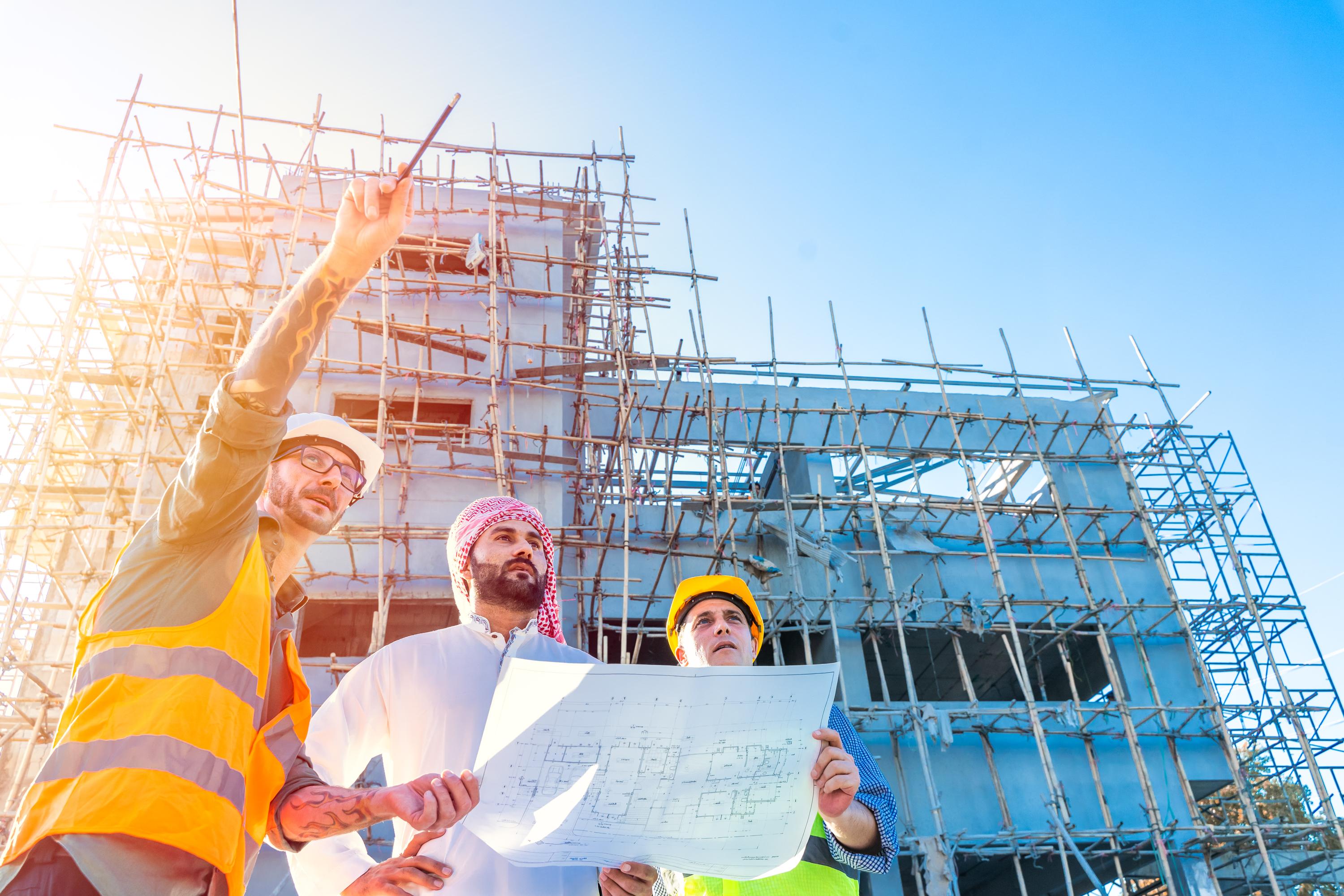
Choosing the right contractor involves more than just looking at cost. Here are key criteria to consider during the selection process.
Evaluating Technical Expertise
Technical expertise is a top priority. Evaluate a contractor’s skill level by reviewing their previous projects. Do they have experience in similar projects? Look for contractors who have handled projects of the same scale and complexity. This experience is crucial because it shows their capability to manage your specific needs. Ask about their team’s qualifications and certifications to ensure they meet industry standards.
Assessing Project Experience
The contractor’s track record speaks volumes. Review past projects to assess their experience and reliability. Did they deliver on time and within budget? Testimonials from previous clients can offer insights into their work ethic and professionalism. A contractor with a proven track record is more likely to meet your expectations and handle any challenges that may arise during the project.
Reviewing Safety and Sustainability Measures
Safety and sustainability should be at the forefront of your decision. Contractors must prioritize safety protocols and sustainable practices. Inquire about their safety measures and how they minimize environmental impact. A contractor committed to sustainability will use eco-friendly materials and methods. This not only protects the environment but can also reduce costs in the long run by using energy-efficient systems and technologies.
Navigating the UAE Construction Market

The UAE construction market presents unique challenges. Here’s how to navigate them effectively.
Challenges in Complex Projects
Complex projects in the UAE come with challenges like regulatory hurdles and extreme weather conditions. Contractors must be adept at managing these issues. Understanding local regulations and having contingency plans for weather-related disruptions is crucial. A contractor experienced in the UAE market will know how to anticipate and handle these challenges, ensuring project continuity and success.
Leveraging BIM and Value Engineering
BIM and value engineering are transformative tools in construction. Using BIM allows for better planning and coordination, reducing errors and rework. Value engineering helps optimize project costs without compromising quality. When a contractor utilizes these tools, it enhances project efficiency and cost-effectiveness. This approach ensures that you receive the best value for your investment.
Importance of RFP Evaluation and Prequalification
Evaluating RFPs and prequalifying contractors is essential. This process ensures that you select a contractor who meets your project’s specific needs. An RFP evaluation helps you compare bids and understand the capabilities of each contractor. Prequalification ensures that potential contractors have the necessary resources and experience. These steps protect your investment and ensure you choose the most capable partner.
Frequently Asked Questions
What should I look for in a civil and MEP contractor?
Focus on their technical expertise, project experience, and commitment to safety and sustainability. These factors will indicate their capability to handle your project effectively.
How does integration benefit my construction project?
An integrated approach reduces miscommunication, streamlines processes, and ensures all systems work in harmony. This leads to fewer delays and a smoother project execution.
Why is compliance important in construction?
Compliance with industry standards ensures safety, quality, and legal adherence. It protects your investment and ensures the longevity of your building.
What are the advantages of using BIM in construction?
BIM enhances project planning and coordination, reducing errors and rework. It improves overall efficiency and cost-effectiveness, ensuring better project outcomes.
How can I ensure a contractor is reliable?
Check their past projects, client testimonials, and adherence to timelines and budgets. A reliable contractor will have a proven track record of successful project delivery.