
How to Choose HVAC Systems for UAE Buildings with High Cooling Demand: A Practical Guide
Choosing HVAC systems for UAE buildings with high cooling demand requires more than picking popular brands. Your decisions affect energy costs, indoor air quality, and system longevity in a harsh climate. This guide breaks down key factors like chilled water system UAE options, VRF VRV UAE technologies, and smart controls to help you select the right solution. Speak with our MEP experts. Request a tailored HVAC strategy and life-cycle cost analysis today. For more insights, visit this link.
Understanding HVAC Systems in UAE

Choosing the right HVAC system for buildings in the UAE isn’t just about comfort. It’s about ensuring efficiency and longevity in a demanding climate.
High Cooling Demand Considerations
In the UAE, summer temperatures often exceed 40°C. This high heat creates a significant demand for cooling in buildings. You need an HVAC system designed to handle this intense demand. Systems should be capable of maintaining comfortable indoor temperatures even when the heat outside is extreme. For example, Variable Refrigerant Flow (VRF) systems are well-suited for this as they adjust to the precise cooling needs of different building zones, providing energy-efficient solutions.
Another key factor is the size and layout of your building. Larger buildings or those with open layouts might benefit from chilled water systems. These systems distribute cooled water through a network, effectively controlling temperatures across vast spaces. It’s crucial to select a system that accommodates both your current needs and potential future expansions. Understanding your building’s unique cooling demands ensures you choose the right system from the start.
Impact of UAE Climate on Cooling
The UAE’s climate isn’t just hot; it’s also humid. High humidity can affect both comfort and the performance of your cooling systems. Humidity control is essential to prevent mold growth and ensure air quality. Systems with dehumidification features can help maintain a healthy environment.
Moreover, the persistent heat can strain HVAC systems, leading to higher energy consumption and costs. Efficient systems help mitigate this by operating effectively even during peak temperatures. By choosing systems designed specifically for the UAE climate, you can save on energy bills and extend the life of your equipment.
Choosing Energy-Efficient HVAC Solutions
Energy efficiency is not just a buzzword; it’s a necessity in the UAE. With utility costs on the rise, choosing an energy-efficient system can lead to significant savings. Look for systems with high Seasonal Energy Efficiency Ratio (SEER) ratings. These systems use less energy to operate, which is crucial in a region with high cooling demands.
Consider integrating smart controls to optimize system performance. Smart systems learn your habits and adjust settings to ensure maximum comfort with minimal energy use. Such advancements not only save money but also contribute to a greener environment. For more on energy-efficient options, visit this informative article.
Key Factors in System Selection
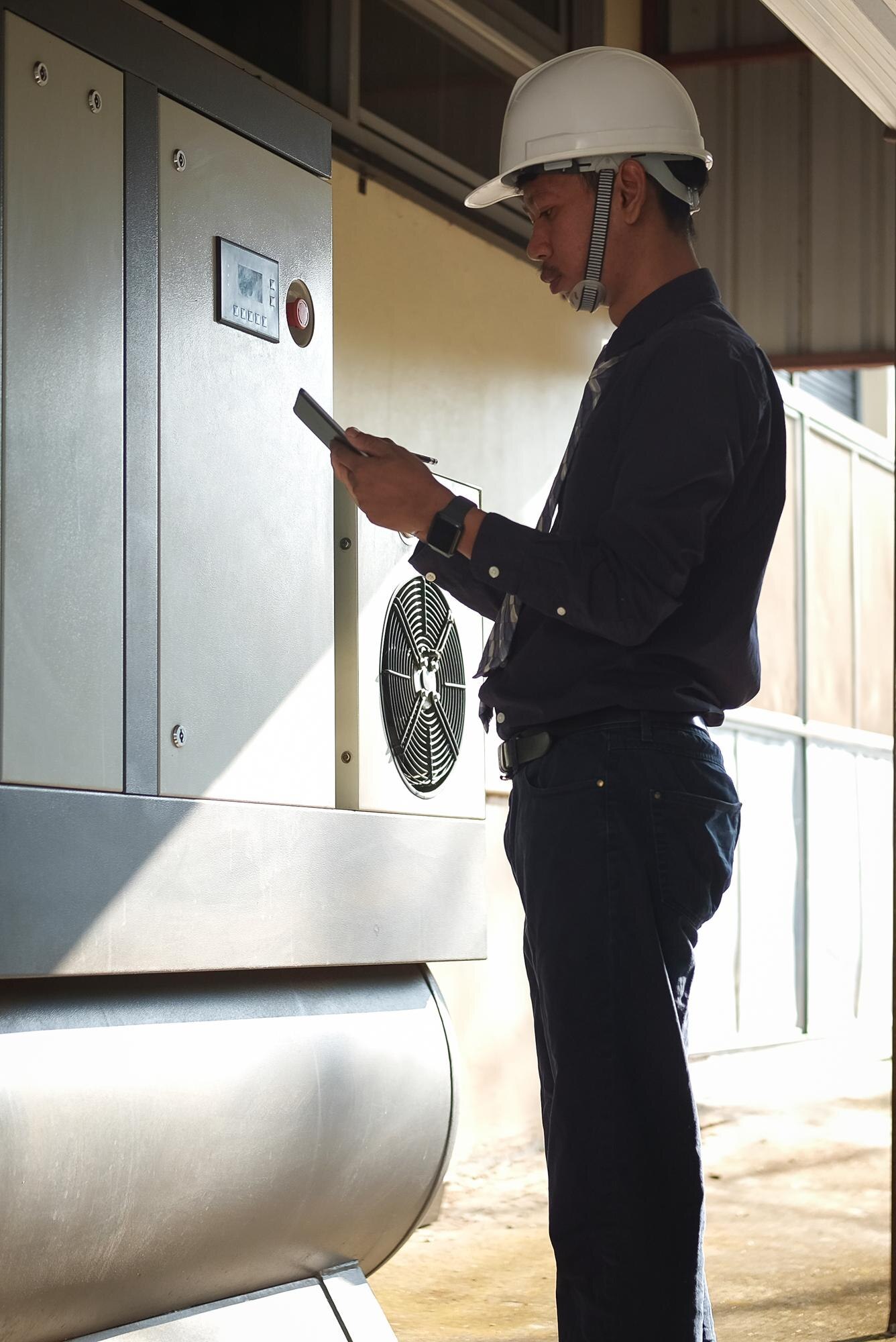
Selecting an HVAC system involves several key considerations that can impact your building’s comfort and efficiency.
Cooling Load Calculation and Analysis
Accurate cooling load calculations are vital. These calculations determine the amount of cooling your building requires under various conditions. Factors such as building size, orientation, and occupancy play a role. A precise calculation ensures your system is neither too large (wasting energy) nor too small (failing to cool effectively). Consulting with experts for a thorough analysis is a smart move.
Tools like Building Information Modeling (BIM) can streamline the calculation process. Using advanced software, you can visualize energy use patterns and optimize system design accordingly. Proper cooling load analysis is the foundation of any successful HVAC project in the UAE.
VRF, VRV, and Chilled Water Systems
When it comes to system types, VRF and VRV systems offer flexibility and efficiency, making them popular choices. These systems provide precise temperature control in different zones, ideal for varied cooling needs across a building. For instance, a VRF system allows you to set different temperatures in different rooms, maximizing comfort and efficiency.
Chilled water systems, on the other hand, are ideal for larger buildings. They use water as a cooling medium, offering a reliable and scalable solution. By choosing the right system type, you enhance both performance and energy savings. Curious to learn more about VRF systems? Explore this guide.
Importance of Humidity Control and IAQ
Indoor Air Quality (IAQ) plays a critical role in occupant health and comfort. High humidity can lead to mold growth and poor IAQ. Systems with built-in humidity control ensure a healthier environment. Look for systems that offer filtration options to remove pollutants and allergens.
Maintaining proper IAQ isn’t just about comfort; it’s a matter of health. A well-designed system with humidity control can prevent respiratory issues and improve overall well-being. Prioritizing IAQ in your HVAC selection process is a wise investment for your building’s occupants.
Advanced Technology and Integration

Incorporating advanced technologies in your HVAC systems can lead to significant improvements in efficiency and control.
BMS and Smart Control Applications
Building Management Systems (BMS) and smart controls are game-changers. They offer centralized control over HVAC systems, allowing you to monitor and adjust settings remotely. This technology not only improves convenience but also enhances energy efficiency by ensuring systems operate only when needed.
By integrating smart controls, you can reduce energy consumption by up to 30%. These systems learn occupancy patterns and automatically adjust temperatures, optimizing comfort and efficiency. For a detailed case study on smart HVAC solutions, check out this example.
Role of Testing, Adjusting, and Balancing
Testing, Adjusting, and Balancing (TAB) is crucial for system performance. It ensures that your HVAC system operates as intended, delivering the right amount of air to each space. Proper TAB procedures can lead to a 10-15% improvement in system efficiency.
Regular testing and adjustments help identify issues early, preventing costly repairs and maintaining optimal performance. Engaging with skilled professionals for TAB services safeguards the longevity of your HVAC investment.
Maintenance and Lifecycle Cost Evaluation
Regular maintenance is key to extending the life of your HVAC system. Scheduled check-ups and prompt repairs prevent breakdowns and improve efficiency. Consider the total lifecycle cost of your system, including maintenance, to make informed decisions.
Evaluating lifecycle costs helps you understand the long-term value of your investment. Selecting systems with lower operating costs and reliable maintenance support can save money over time. For more on HVAC system maintenance, visit this resource.
In summary, selecting the right HVAC system involves a blend of understanding the UAE’s climate, recognizing specific building requirements, and leveraging advanced technologies. By focusing on these areas, FirstWay delivers solutions that ensure comfort, efficiency, and reliability across all building projects.