
Emerging Sustainable Construction Techniques Driving Innovation in UAE Developments
Sustainable construction UAE is reshaping the way projects come to life across the Emirates. You face growing demands to meet Estidama Pearl Rating and Dubai Green Building Regulations without compromising timelines or quality. This post highlights emerging techniques—from low-carbon concrete to prefabricated MEP systems—that help you deliver cutting-edge, compliant buildings. Stay ahead with insights that position your developments at the forefront of green building UAE standards. Explore further insights here.
Green Building Practices in UAE
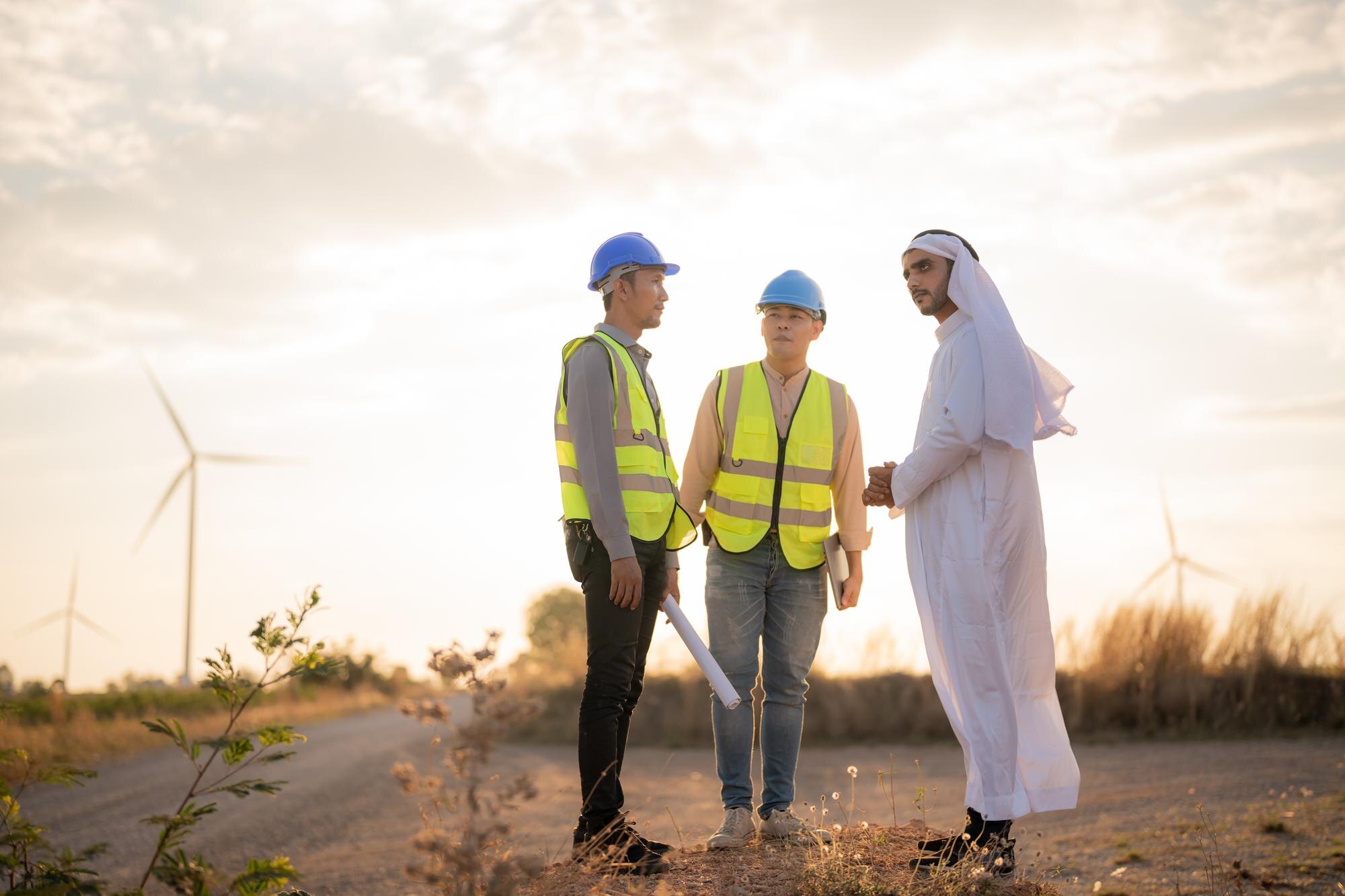
In the UAE, green building practices are becoming essential. As you face growing demands for sustainable construction, understanding the latest techniques is vital. Let’s explore some of these groundbreaking methods.
Sustainable Construction Techniques
Sustainable construction techniques are revolutionizing building methods. One popular method is using low-carbon concrete. This material reduces emissions by up to 30% compared to traditional concrete. By choosing low-carbon concrete, you contribute to a healthier environment. Another technique is using recycled aggregates. These materials can substitute up to 60% of natural aggregates, cutting down on raw material use.
Prefabricated MEP systems offer another sustainable option. These systems are built off-site and assembled quickly on-site. This process reduces waste and speeds up construction time. The benefits are clear: faster completion and reduced environmental impact. Learn more about these techniques.
Importance of Estidama and LEED
Adhering to standards like Estidama and LEED is crucial. These frameworks guide you in building sustainable structures. Estidama’s Pearl Rating System is specific to the UAE. It ensures buildings meet energy and water conservation benchmarks. LEED, a global standard, promotes healthier and more resource-efficient buildings.
Achieving these certifications can increase your project’s value. Customers often seek buildings with these certifications as they offer long-term savings. They focus on energy efficiency and lower operational costs. So, incorporating these standards can make your projects more attractive. Read about their importance here.
Energy Efficient Systems for Low-Carbon Footprint
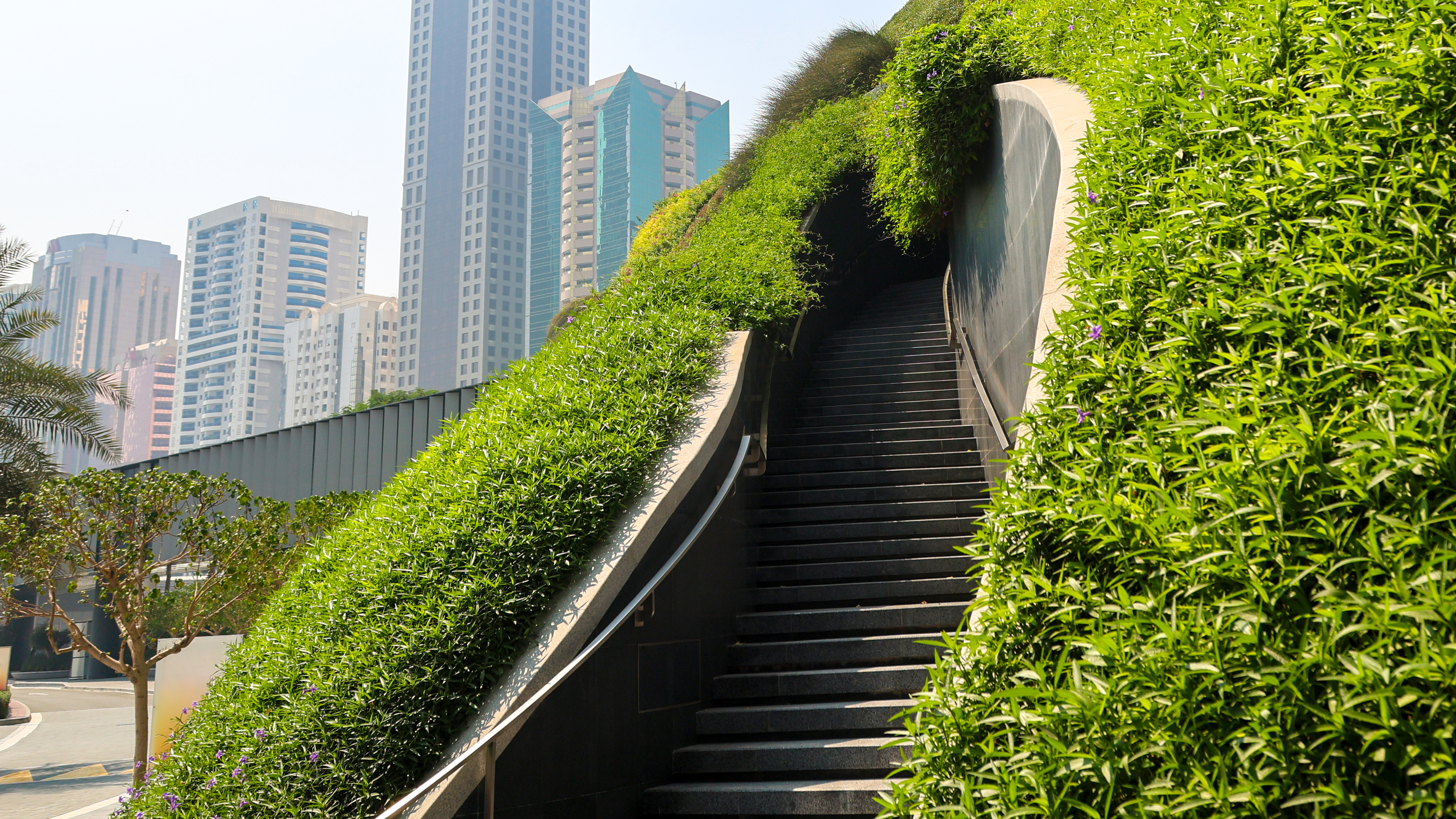
Energy efficiency is key in reducing carbon footprints. Advanced systems are available that help meet these goals. You can integrate these into your projects to make them more sustainable.
Advanced HVAC and Ventilation
New HVAC systems are designed to save energy. Demand-controlled ventilation is one such system. It adjusts ventilation based on occupancy, reducing unnecessary energy use. This approach can save up to 30% on energy costs. Another option is district cooling integration. It provides centralized cooling, which is more efficient than individual units.
These systems not only save money but also improve indoor air quality. Better air quality leads to healthier living and working environments. Your clients will appreciate the comfort and savings these systems provide.
Solar and Greywater Innovations
Using solar panels is a great way to harness renewable energy. They can be used for solar water heaters, reducing reliance on electricity. These systems can cut energy use for heating by 60%. Greywater systems are another innovation. They recycle water from sinks and showers for irrigation.
Installing these systems helps conserve water and energy. It’s a straightforward way to make buildings more sustainable. These innovations also align with Dubai Green Building Regulations. They position your projects as leaders in sustainability.
Modern Construction Methods and Technologies
Adopting modern construction methods can set your projects apart. These methods are efficient and sustainable. Let’s look at some that are gaining popularity.
Prefabrication and Modular Construction
Prefabrication involves constructing building parts off-site. This approach reduces waste and speeds up assembly. Modular construction is similar. It involves creating sections, or modules, that are put together on-site. This method can reduce construction time by up to 50%.
These techniques offer flexibility. They allow for easier customization and expansion. They also minimize disruption to surrounding areas during construction. This makes them ideal for urban settings. Discover more about these methods here.
BIM and Smart Building Automation
Building Information Modeling (BIM) is transforming construction. It allows for precise planning and collaboration. BIM helps in identifying potential issues before construction begins. This process reduces errors and saves time and resources.
Smart building automation systems enhance efficiency. They allow for real-time monitoring and control of building systems. This leads to optimized performance and energy savings. Both BIM and automation are essential for creating smart, efficient buildings. They ensure your projects are future-ready.
By implementing these techniques, you can meet the growing demands for sustainable construction in the UAE. These methods not only comply with regulations but also offer cost savings. They position your projects as innovative and environmentally responsible. Embrace these changes and lead the way in sustainable building practices.