
Civil and MEP coordination remains a core challenge in UAE construction projects. When systems clash, delays and costly reworks become inevitable. Mastering MEP coordination UAE unlocks smoother workflows, precise shop drawings UAE, and quicker authority approvals DEWA and ADDC. In this post, you’ll learn strategies that FirstWay uses to deliver projects on time, with quality and safety at the forefront. Share your concept drawings to start a rapid coordination risk scan today. For more insights, visit this page.
Effective BIM Coordination

Let’s explore how BIM coordination can seamlessly integrate different systems in construction projects.
Understanding BIM Clash Detection
BIM clash detection serves as a preventive measure in construction, identifying potential conflicts before they escalate. Imagine a bustling construction site where every element fits perfectly, almost like a puzzle. That’s the power of clash detection. Using specialized software, it pinpoints where systems might collide. For example, overlapping electrical and plumbing lines are flagged. This proactive approach saves both time and money, eliminating costly adjustments later on.
Why is this crucial in the UAE? The region’s construction pace demands precision. By catching issues early, projects run more smoothly, avoiding unexpected setbacks. This method ensures that each stakeholder remains on the same page, fostering collaboration and clarity.
Benefits of BIM Coordination UAE
In the UAE, BIM coordination offers more than just streamlined processes. It enhances overall project quality. Think of it as a master conductor orchestrating a symphony. Every part of the construction process is aligned and harmonized. This leads to quicker decision-making, as everyone can visualize the project in its entirety.
This method reduces misunderstandings among teams, resulting in fewer revisions. It’s a game-changer for projects of all sizes. By ensuring that each component is correctly placed, delays become a thing of the past. For those managing projects, this means peace of mind and a clear path to completion. To dive deeper into this topic, explore BIM insights.
Civil and MEP Integration Techniques
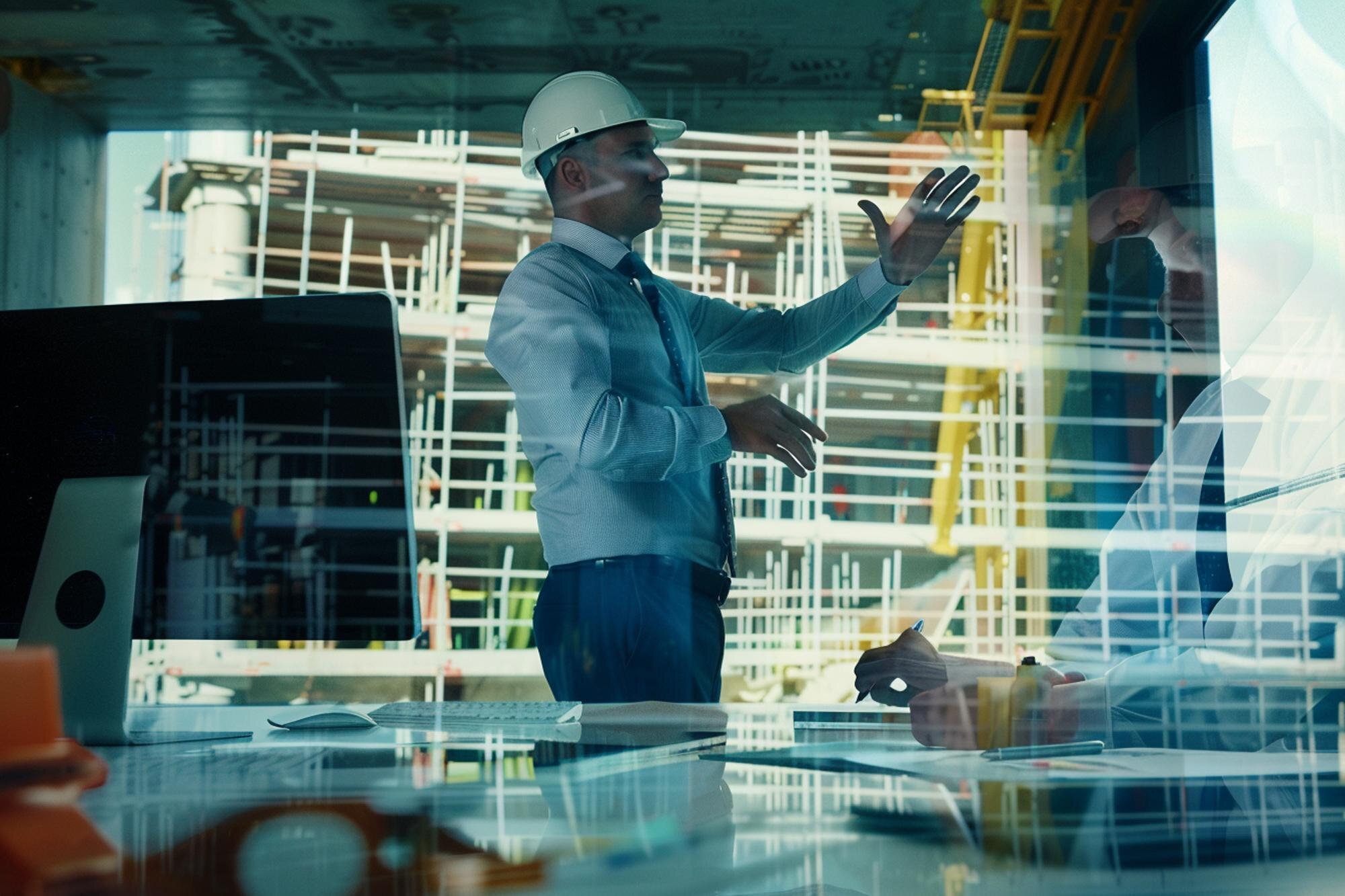
Effective integration of civil and MEP systems transforms project execution. Let’s delve into the techniques that make this possible.
Importance of Shop Drawings UAE
Shop drawings are the backbone of any construction project. They provide detailed plans that guide installation and ensure everything aligns perfectly. Consider them the blueprints for success. For MEP systems, these drawings highlight every aspect, from ductwork to electrical pathways.
In the UAE, where construction thrives, precision in shop drawings can’t be overstated. They prevent errors that could cause significant delays. With clear visuals, contractors can anticipate challenges and address them proactively. This approach keeps projects on track, reducing costly setbacks and ensuring timely completion.
Achieving Authority Approvals DEWA & ADDC
Navigating authority approvals can be daunting, but it’s a crucial step in the construction process. DEWA and ADDC approvals validate that systems meet regional standards. Understanding their requirements is essential for smooth project execution.
By ensuring compliance from the start, projects avoid unnecessary hurdles. Clear documentation and proactive communication with authorities pave the way for swift approvals. This not only accelerates timelines but also instills confidence in stakeholders. For further guidance, refer to this article.
Streamlining Fit-Out Coordination
Coordinating fit-out elements requires meticulous attention. It’s about transforming structural shells into functional spaces. Successful coordination ensures that everything, from lighting to HVAC systems, integrates seamlessly. This approach enhances both aesthetics and functionality.
In the UAE’s fast-paced environment, efficient fit-out coordination minimizes disruptions. Detailed planning and clear communication among teams are vital. This prevents overlaps and ensures that the final space is both beautiful and functional. By following these steps, project managers can deliver spaces that exceed expectations.
Sustainable Construction Practices
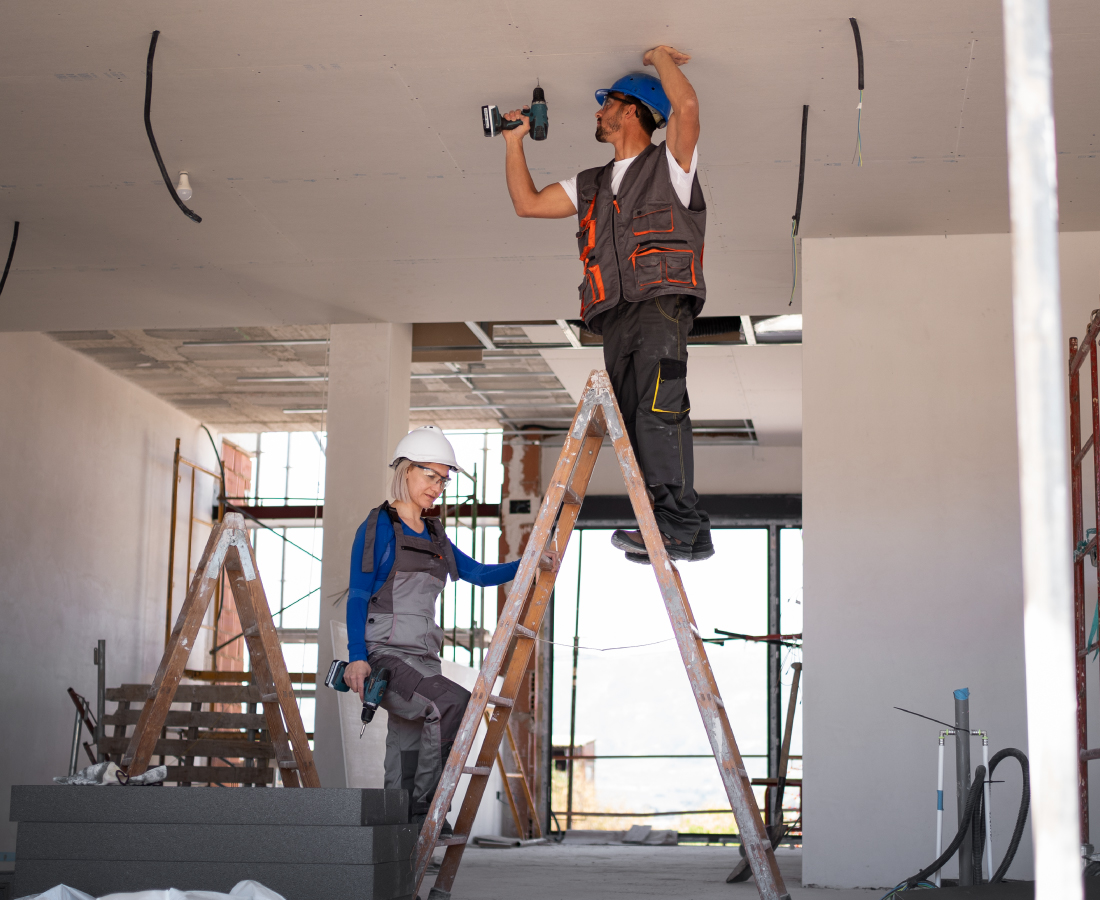
Sustainability is not just a trend but a necessity in modern construction. Let’s explore how to integrate green practices effectively.
Implementing LEED and Estidama Standards
Adopting LEED and Estidama standards is a commitment to sustainable building. These guidelines ensure that projects are environmentally friendly and resource-efficient. Implementing green practices reduces energy consumption and promotes healthier environments.
In the UAE, where sustainability is increasingly prioritized, aligning with these standards sets projects apart. It demonstrates a dedication to environmental stewardship and enhances property value. By incorporating sustainable materials and energy-efficient systems, buildings not only meet current needs but also contribute to a greener future.
Role of MEP Maintenance UAE in Longevity
MEP maintenance plays a crucial role in extending the lifespan of any building. Regular upkeep ensures systems run smoothly and efficiently. This proactive approach prevents breakdowns and costly repairs, safeguarding investments.
In the UAE, where construction is booming, regular MEP maintenance is essential. It maximizes the performance of systems, ensuring optimal functionality. By prioritizing maintenance, stakeholders can enjoy peace of mind, knowing their buildings remain in prime condition for years.
Advancing Smart Building Automation UAE
Smart building automation is revolutionizing how spaces operate. These systems offer real-time control over various building functions, enhancing both efficiency and user experience. Imagine adjusting lighting or climate settings with the touch of a button.
Incorporating smart automation is a competitive edge in the UAE’s construction landscape. It optimizes resource use and enhances comfort levels. This technology not only reduces operational costs but also offers a modern living experience. By embracing automation, projects stay ahead in a rapidly evolving market.
By implementing these strategies, you’re not just building structures; you’re crafting legacies that stand the test of time.