
Building the Future: Innovative Sustainable Construction Driving UAE Project Excellence
Sustainable construction UAE is reshaping project delivery across the Emirates, but few contractors master its full potential. You need more than compliance—you want faster timelines, better quality, and lower lifecycle costs. At FirstWay, we combine green building UAE standards like LEED UAE and Estidama Pearl with precise civil contracting Dubai and MEP expertise to deliver projects that last. Keep reading to see how sustainable methods drive real excellence in your next build. Learn more about trends shaping the UAE construction sector by visiting this article.
Sustainable Construction Techniques
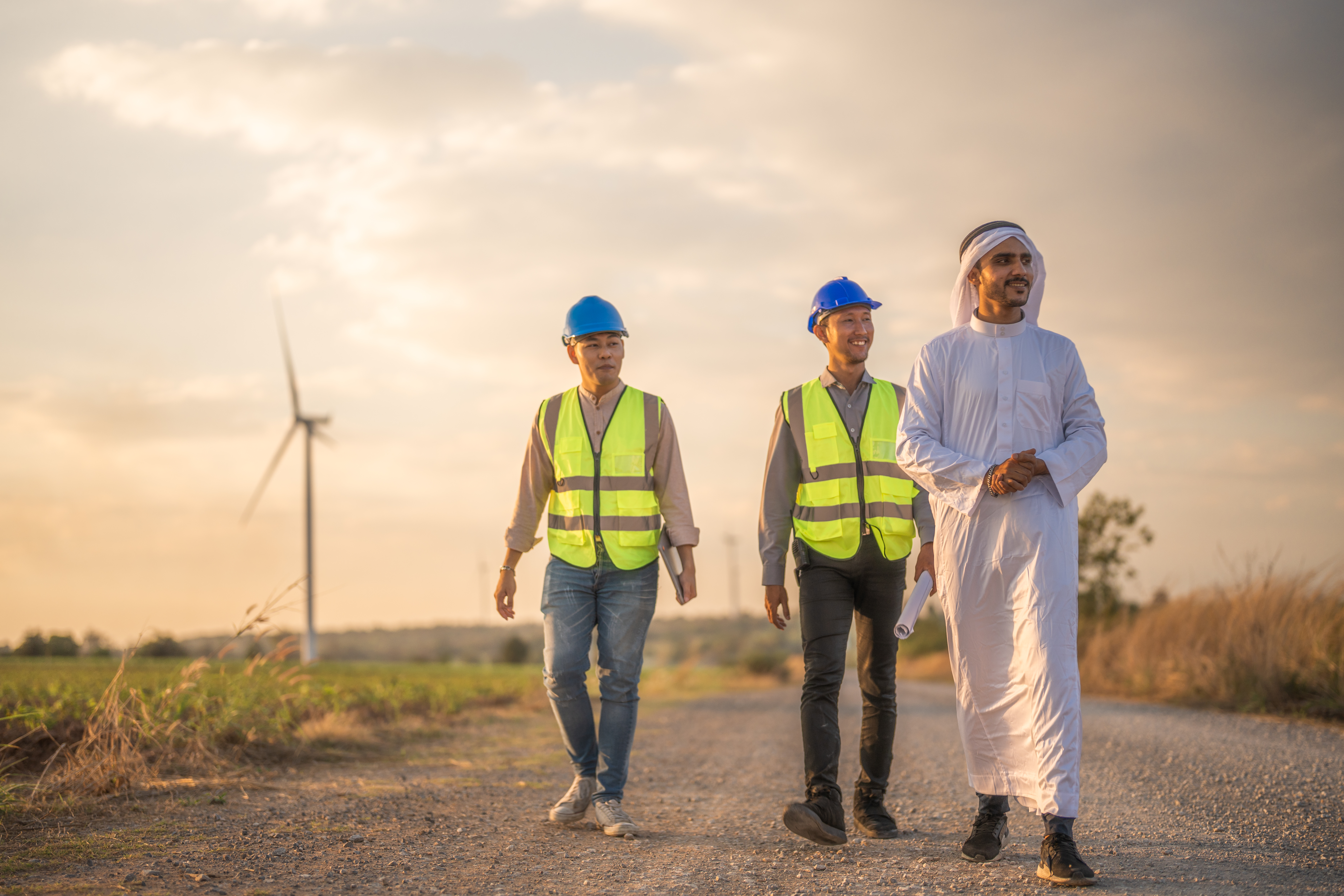
Sustainable construction techniques are transforming the way projects are executed in the UAE. By using these methods, you can achieve higher quality, faster schedules, and long-lasting value.
Enhancing Project Quality
Imagine structures that not only meet but exceed your expectations. Sustainable construction ensures this by integrating cutting-edge materials and eco-friendly practices. For example, using recycled steel reduces waste and enhances the building’s durability. 50% of construction waste can be reused or recycled, advancing both sustainability and quality.
The building envelope’s quality is crucial. Proper insulation and high-performance windows maintain indoor comfort while reducing energy use. You gain both cost savings and a healthier environment. This approach also aligns with green building UAE standards, ensuring your projects are both high-quality and environmentally responsible.
Speeding Up Schedules
Time is money in construction, and sustainable practices can help you save both. Prefabrication is one technique that reduces construction time significantly. Components are manufactured off-site and assembled quickly on-site, cutting down on time by up to 50%. This approach minimizes delays and ensures timely project delivery.
Additionally, efficient project management techniques streamline the workflow. By reducing the need for on-site adjustments, you keep the schedule tight. This is especially beneficial for projects in bustling areas like Dubai, where every minute counts. A faster schedule means earlier occupancy and quicker returns on investment.
Lifecycle Value Benefits
The true test of a building’s value is its lifecycle cost. Sustainable construction focuses on materials and systems that lower maintenance needs and extend the building’s lifespan. Think of solar panels: while the initial investment might be high, they can drastically cut energy costs over time.
Investing in high-quality MEP systems ensures efficiency and reliability. This not only reduces operational costs but also enhances tenant satisfaction. A building that stands the test of time is an asset, offering long-term benefits and peace of mind.
MEP Innovations in UAE
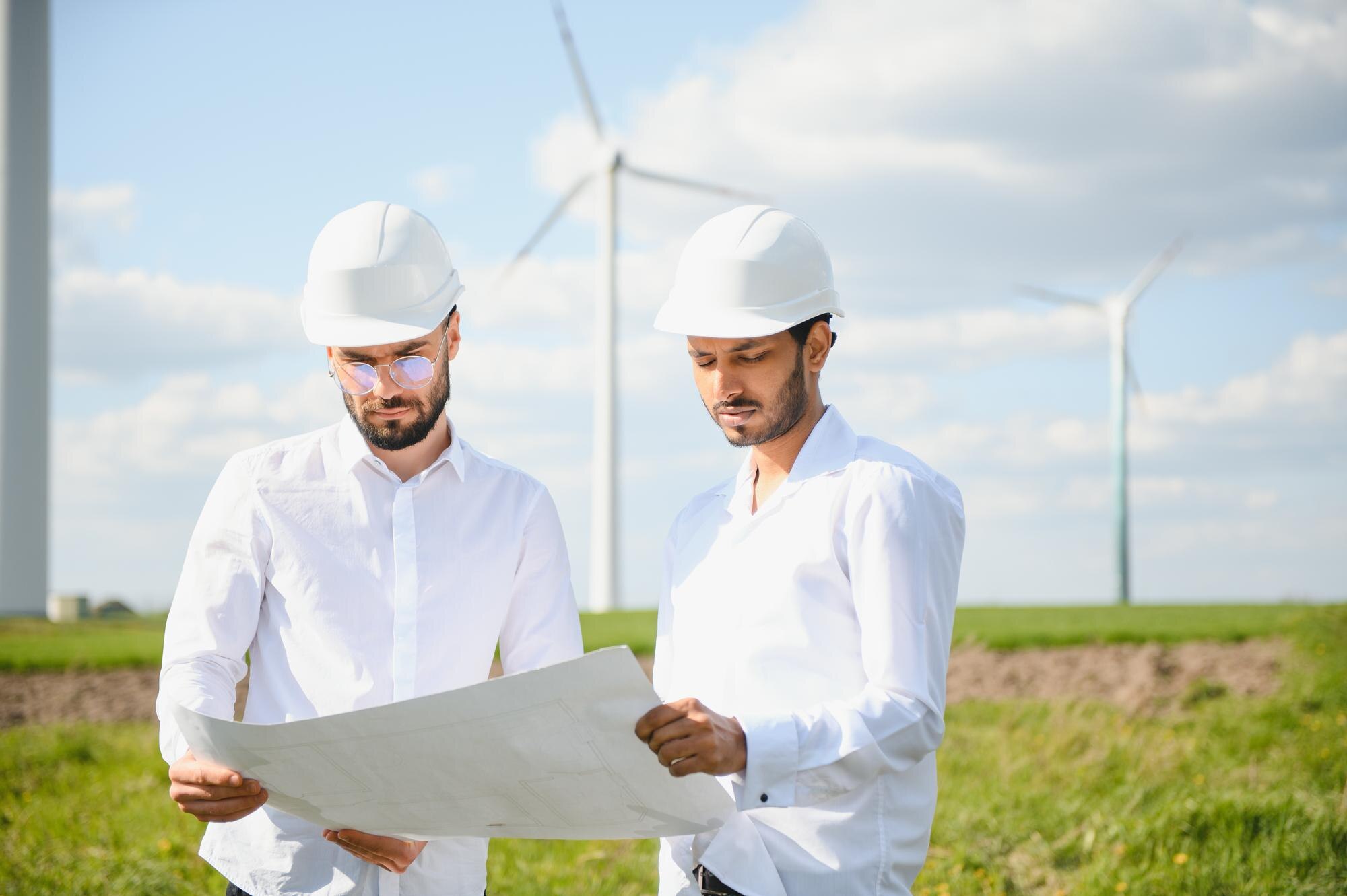
To keep pace with the rapid development in the UAE, innovations in MEP (Mechanical, Electrical, and Plumbing) systems are crucial. These advancements promise smarter, more efficient buildings.
Smart Building Automation
Smart building automation offers more than just convenience; it’s about creating environments that adapt to your needs. Imagine controlling lighting, climate, and security systems with a touch. These automated systems optimize energy use, significantly lowering utility bills.
Moreover, smart systems can predict maintenance needs, preventing unexpected breakdowns. This proactive approach ensures that your building remains functional and efficient. For a deeper dive into the impacts of smart systems, check out this study.
Off-Site Fabrication Advantages
Off-site fabrication is a game-changer in the construction industry. Components are built in a controlled environment, ensuring higher precision and quality. Once completed, they’re transported to the site for quick assembly.
This method not only speeds up the construction process but also reduces waste and the risk of on-site accidents. It’s a practical approach that aligns with sustainable practices. For insights into the future of modular construction, read this article.
BIM Coordination Benefits
Building Information Modeling (BIM) allows for seamless collaboration among all stakeholders. This digital representation of a building’s characteristics enables better decision-making and reduces errors. By visualizing the project in 3D, you can foresee challenges and resolve them before they become costly issues.
BIM also facilitates precise cost estimation and scheduling. This ensures that projects stay within budget and on time, offering you peace of mind and confidence in the project’s success.
Meeting UAE Green Standards
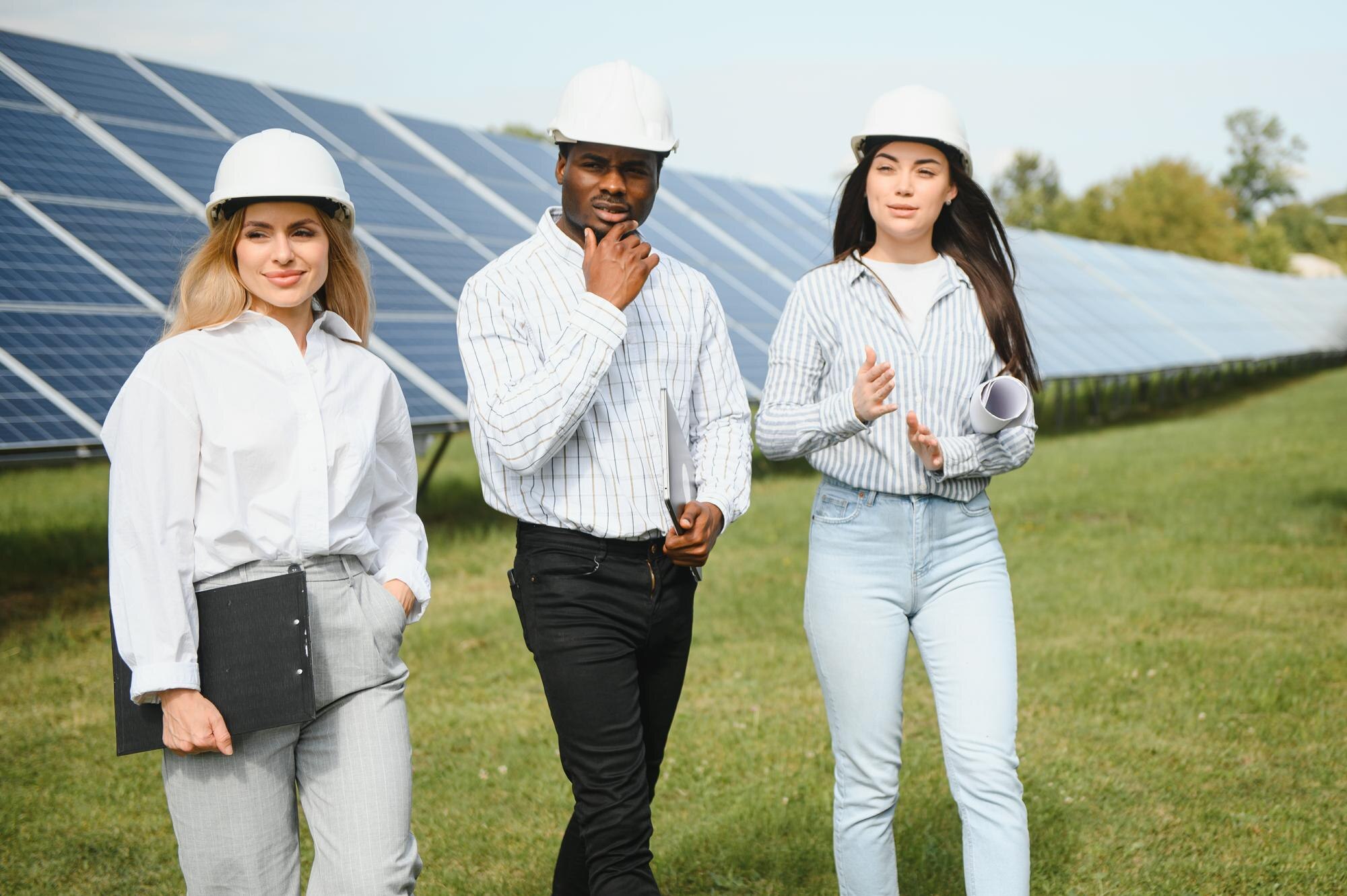
Complying with UAE’s stringent green standards not only enhances sustainability but also adds value to your projects. These standards set the benchmark for modern construction practices.
LEED and Estidama Pearl Compliance
LEED and Estidama Pearl are the cornerstones of sustainable construction in the UAE. Achieving these certifications demonstrates a commitment to sustainability and environmental responsibility. Buildings that comply with these standards use resources more efficiently and offer healthier spaces for occupants.
By adopting these standards, you not only meet regulatory requirements but also enhance the building’s marketability. Tenants and buyers increasingly prefer certified green buildings, knowing they offer long-term savings and environmental benefits.
Dubai Green Building Regulations
Dubai’s regulations are designed to ensure that new constructions contribute positively to the environment. These regulations cover everything from energy efficiency to water conservation and waste management.
Compliance ensures that your projects are future-ready, aligning with global sustainability trends. For an in-depth look at sustainable design, consider this WorldGBC article.
Energy Modeling and Lifecycle Costing
Energy modeling is a powerful tool for optimizing building performance. It allows you to simulate how different design choices affect energy use, helping you make informed decisions. This, in turn, leads to reduced energy costs and environmental impact.
Lifecycle costing takes this a step further by considering the total cost of ownership. By evaluating initial costs against long-term savings, you can choose solutions that offer the best value over the building’s lifespan. This approach ensures that your investments are both smart and sustainable.
In conclusion, adopting these sustainable methods and innovations not only aligns with regulations but also positions your projects as leaders in the industry. This commitment to excellence ensures that your buildings stand the test of time, offering lasting value and impact.