
The UAE Guide to Seamless Civil and MEP Integration for Superior Builds
Civil and MEP integration remains one of the biggest challenges in UAE construction projects. Misaligned systems often cause costly rework and delay timelines. You’ll learn how a unified approach reduces risk, cuts lifecycle costs, and improves quality from design through commissioning. This guide from FirstWay shows how seamless coordination delivers superior builds on time and on budget.
The Importance of Civil and MEP Cohesion
In the world of construction, bringing together civil and MEP systems is crucial. When these elements align well, projects run smoother, faster, and with fewer surprises.
Reducing Risk and Rework
Imagine a project where every detail fits perfectly—this is the magic of good coordination. When civil and MEP systems are in sync, the risk of errors drops. Fewer errors mean less rework, saving both time and resources on your project.
One effective strategy is using Building Information Modeling (BIM). BIM helps map out each step, so you see potential problems before they arise. This foresight cuts down costly late-stage changes. A study reveals that 30% of construction costs come from rework due to clashes. By using tools like clash detection, you minimize these disruptions.
Moreover, good planning ensures your project stays on track, minimizing unexpected costs. You gain peace of mind knowing the project is progressing as planned. Most developers find this approach vital to success. You can learn more about it here.
Enhancing Speed and Quality
A well-coordinated team doesn’t just work faster; it builds better. When civil and MEP elements are well-integrated, construction speeds up without quality compromises. This efficiency is critical for hitting tight deadlines commonly found in UAE projects.
Fast-tracked projects often use advanced tools and methodologies, like real-time data sharing, to boost speed. Sharing data seamlessly among team members ensures everyone is on the same page. This communication eliminates delays and enhances overall quality.
Another key aspect is quality assurance and control. A strong QA/QC process ensures each system meets its standards, leading to a higher-quality build. By maintaining high standards, you not only meet but exceed client expectations. The longer you wait to adopt these practices, the more you risk project delays and increased costs.
Key Strategies for Effective Integration
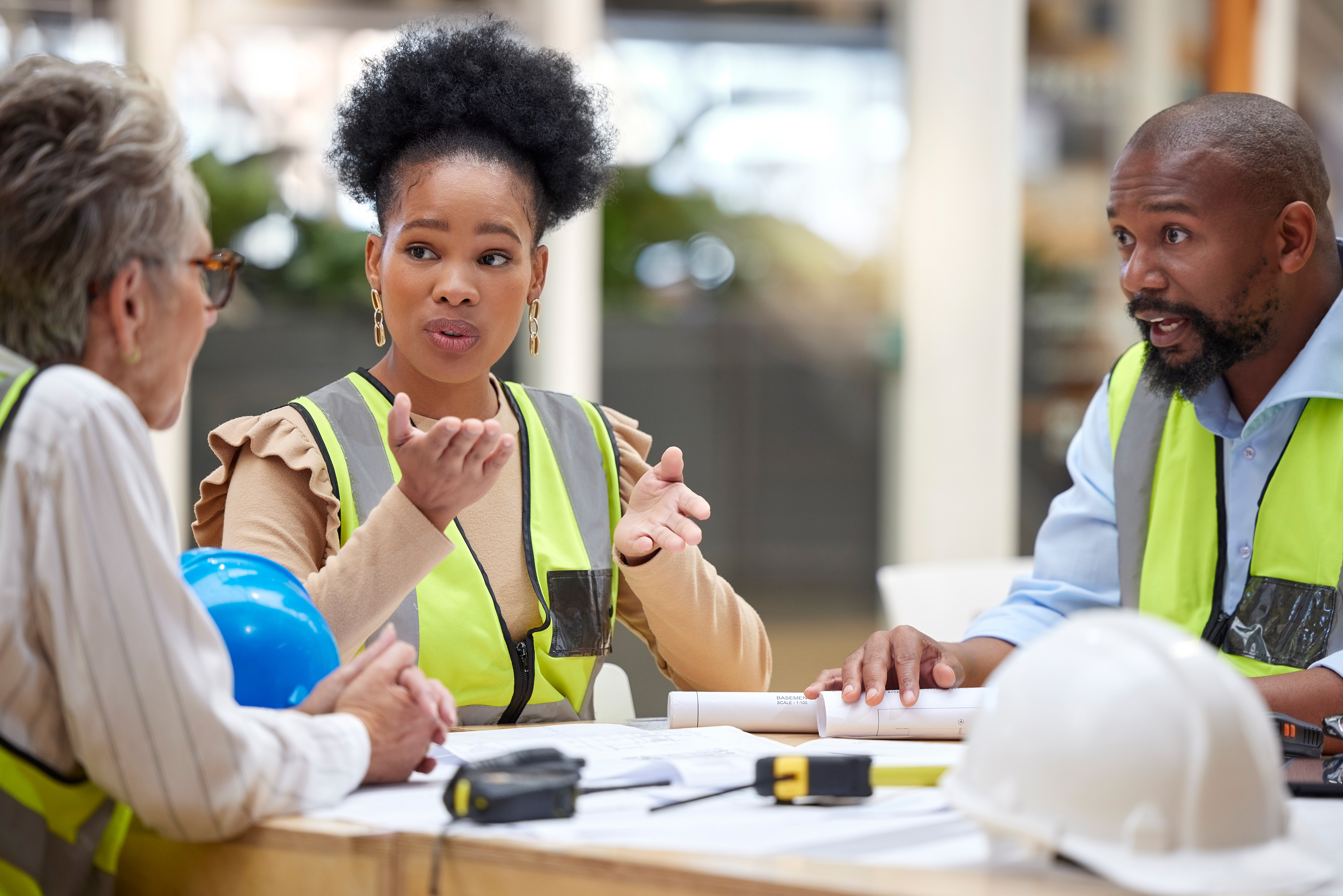
Achieving seamless integration requires specific strategies. Let’s explore how collaborative design and effective management practices play a role.
Collaborative Design and BIM Coordination
The construction landscape is evolving with technology like BIM. By using collaborative design methods, you ensure every stakeholder contributes to a unified vision. This involvement from the start helps avoid costly changes later on.
Collaborative design also fosters communication among team members, enhancing problem-solving capabilities. It introduces a shared platform where ideas and feedback can flow freely. This approach empowers everyone involved to make informed decisions.
BIM is at the heart of this collaboration. By visualizing potential issues, BIM allows for preemptive adjustments, reducing risks. Explore more about BIM’s role in projects here.
Efficient Project Management Practices
Managing construction projects efficiently is about more than just timelines. It involves detailed planning and proactive risk management. By adopting lean construction practices, you reduce waste and improve efficiency.
Project management also includes regular progress tracking. This keeps everyone informed and accountable, paving the way for timely completions. A key aspect is setting clear milestones, which guide teams and keep projects on schedule.
Incorporating advanced software solutions helps monitor these processes effectively. These tools provide real-time insights, enabling swift adjustments when necessary.
Achieving Superior Builds in the UAE
Superior builds in the UAE require innovative solutions. By focusing on sustainability and compliance, you ensure your projects stand out.
Sustainable and Smart Automation Solutions
Sustainability is becoming a cornerstone of modern construction. Integrating smart automation solutions not only saves energy but also enhances building functionality. Automated systems provide real-time data, optimizing energy use and reducing costs.
Adopting these technologies supports environmental goals and helps meet LEED compliance standards. For instance, incorporating solar water heaters can significantly lower energy consumption. Discover more about sustainable practices here.
Moreover, smart buildings offer enhanced control over every aspect, from lighting to HVAC systems. These elements not only make buildings more efficient but also more comfortable for occupants. As these technologies advance, they become more accessible, offering a compelling case for adoption.
Ensuring Quality and Compliance Standards
Quality and compliance are non-negotiable in construction. Adhering to standards like ASHRAE ensures your projects are safe and durable. It involves regular inspections and testing to maintain these standards throughout the build.
By embedding quality checks into every phase, you prevent costly errors and rework. This proactive approach maintains client trust and ensures long-term satisfaction. Adopting stringent HSE management practices further enhances safety and compliance.
Incorporating these standards is not just about ticking boxes; it’s about delivering excellence. As a construction leader, you have the responsibility to uphold these standards. By doing so, you not only build structures but also legacies.
In conclusion, integrating civil and MEP elements effectively can transform your construction projects. By implementing the strategies discussed, you achieve superior builds that stand out in the UAE.