
Smarter Buildings, Stronger Performance: Automation Advantages in UAE Construction
Smart building automation in the UAE is no longer a luxury but a necessity for projects aiming at peak performance and sustainability. You face tight deadlines and complex MEP integration demands that traditional methods struggle to meet. This post outlines how a building management system BMS can streamline HVAC controls, ELV systems, and predictive maintenance to deliver safer, faster, and more energy-efficient results. Read on to see why FirstWay contracting stands out as your trusted partner in this evolving construction landscape. [https://www.wattsense.com/blog/building-management/the-9-main-smart-buildings-benefits/]
Smart Building Automation Benefits
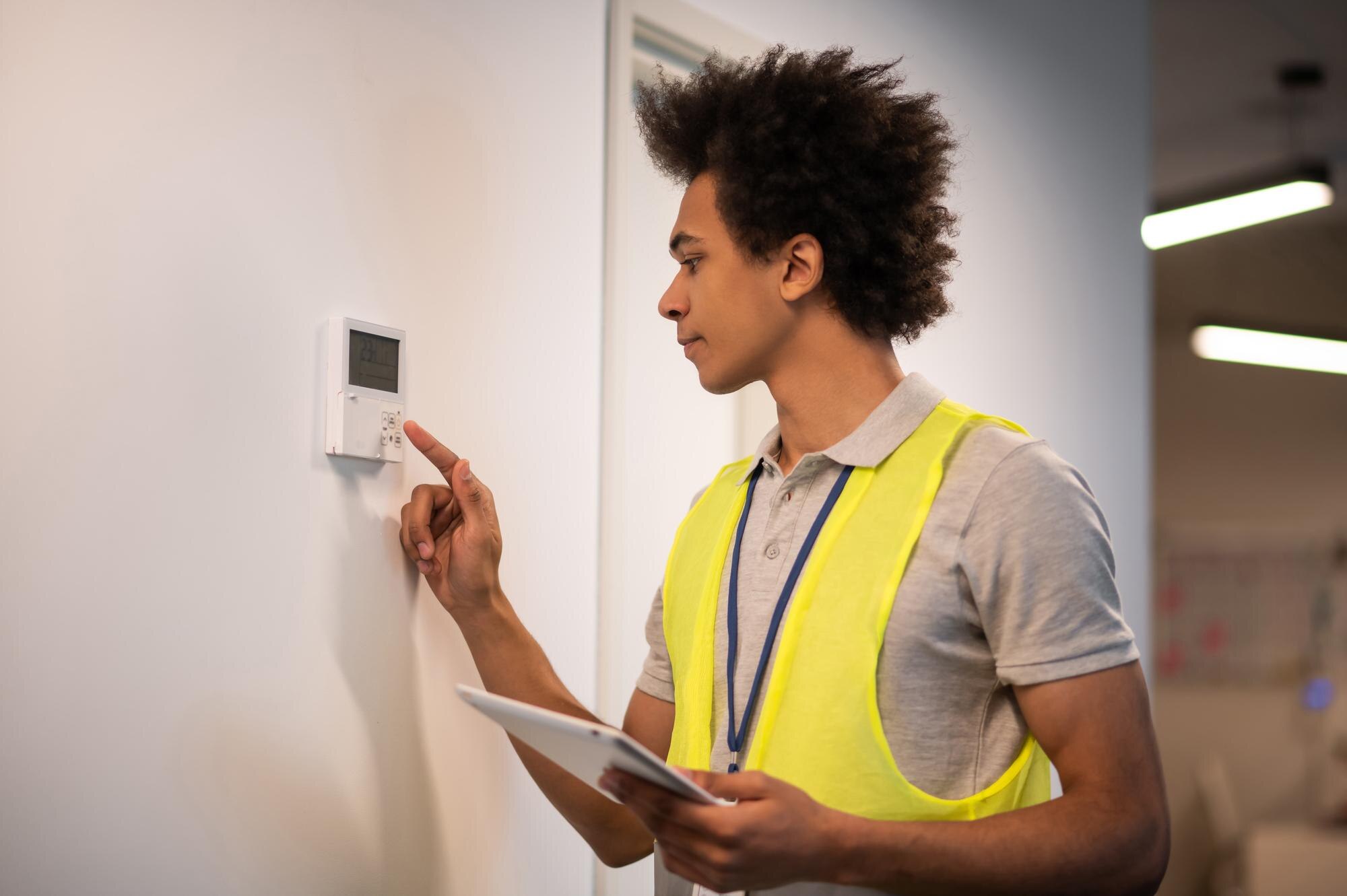
To succeed in today’s construction industry, embracing smart building automation is crucial. This section will explore how this technology offers significant advantages in energy savings and facility management.
Energy Efficiency and Cost Savings
Smart building automation leads to notable savings. Automated systems adjust lighting and HVAC settings based on occupancy, reducing waste. Energy costs drop by up to 30% when these systems are used. Imagine a hotel that automatically dims lights in empty rooms: this small change can add up to big savings over time.
-
Smart sensors: These detect when rooms are empty.
-
Automated controls: They adjust temperature and lighting in real-time.
By investing in smart technology, you not only save money but also reduce your carbon footprint. Most people think they need a big budget for smart systems, but the savings quickly offset the initial cost. Learn more about smart building automation benefits.
Enhanced Facility Management UAE
Managing large facilities demands efficiency. Automation simplifies tasks like security and maintenance. With everything controlled from a central system, issues are flagged early. A single dashboard shows the status of all building systems, from elevators to power usage.
-
Central control panels: These simplify monitoring.
-
Predictive maintenance alerts: They prevent major failures.
Facility managers find that automation reduces their workload. Instead of reacting to problems, they can focus on improving services. This proactive approach enhances the overall experience for everyone in the building. Here’s the key insight: smart systems make complex management straightforward.
Key Technologies in Automation
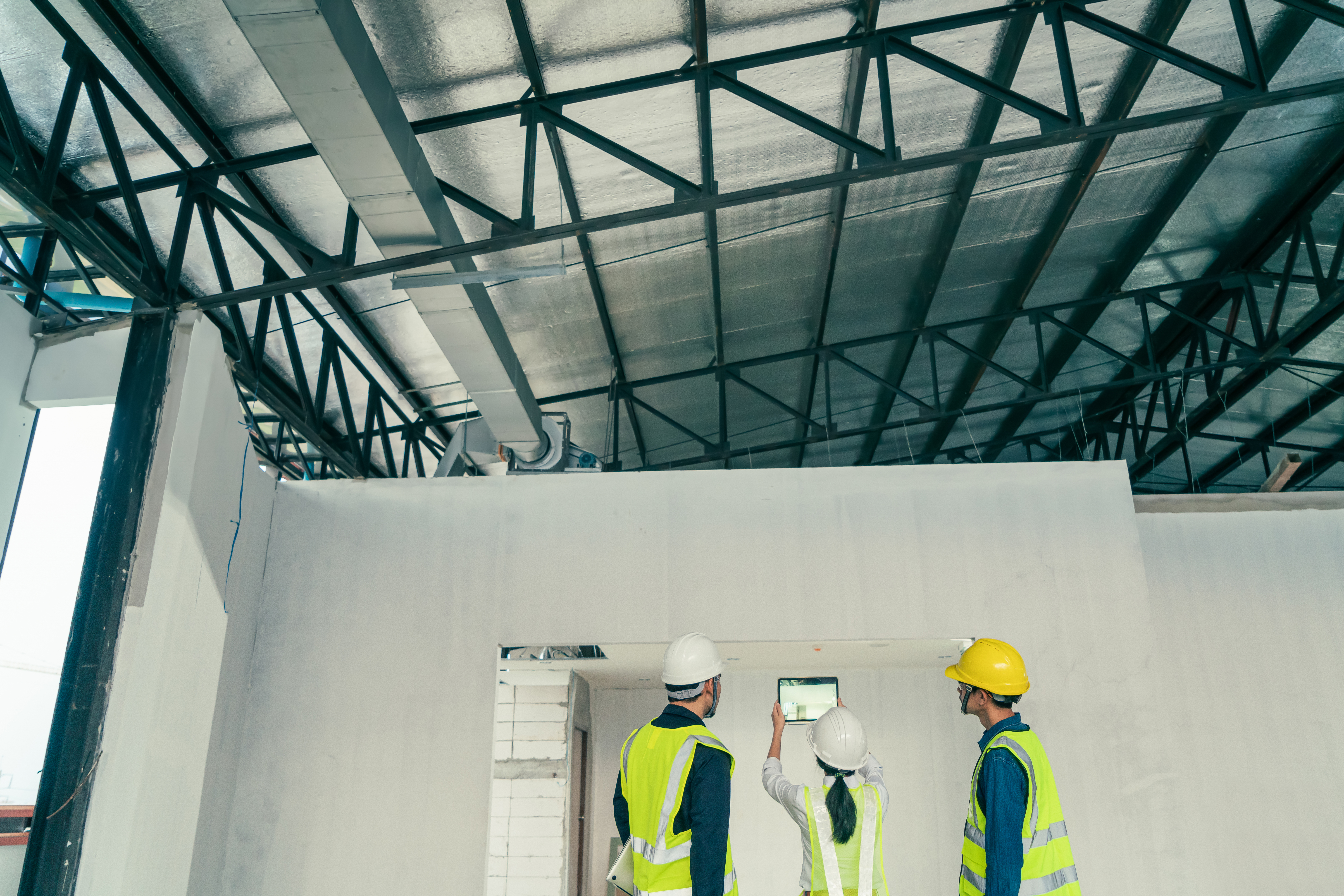
With an understanding of the benefits, let’s delve into the technologies driving smart buildings. These tools integrate various systems for optimal performance.
BMS and BAS Integration
A Building Management System (BMS) plays a critical role in automation. It connects different systems like HVAC and lighting. This integration allows for seamless operation. A BAS (Building Automation System) enhances this by adding more functionalities.
-
System coordination: It ensures smooth interaction between different technologies.
-
Customized settings: Tailored controls for specific areas of a building.
The combination of BMS and BAS provides a robust solution for complex structures. Think of it as a conductor leading an orchestra, ensuring each instrument plays in harmony. For a deeper dive into smart building systems, explore this resource.
HVAC Controls and IoT in Buildings
Integrating HVAC controls with IoT transforms how buildings respond to environmental changes. These systems use real-time data to adjust settings automatically. Smart thermostats, for instance, learn user preferences and optimize energy use.
-
Real-time adjustments: Immediate response to temperature changes.
-
User-friendly interfaces: Simple controls for non-technical users.
IoT integration ensures that buildings remain comfortable and efficient year-round. It challenges the belief that you need constant manual adjustments to maintain comfort. With IoT, automation takes care of it, providing peace of mind. Discover how smart owners benefit from these systems by visiting this link.
Sustainable Construction Practices
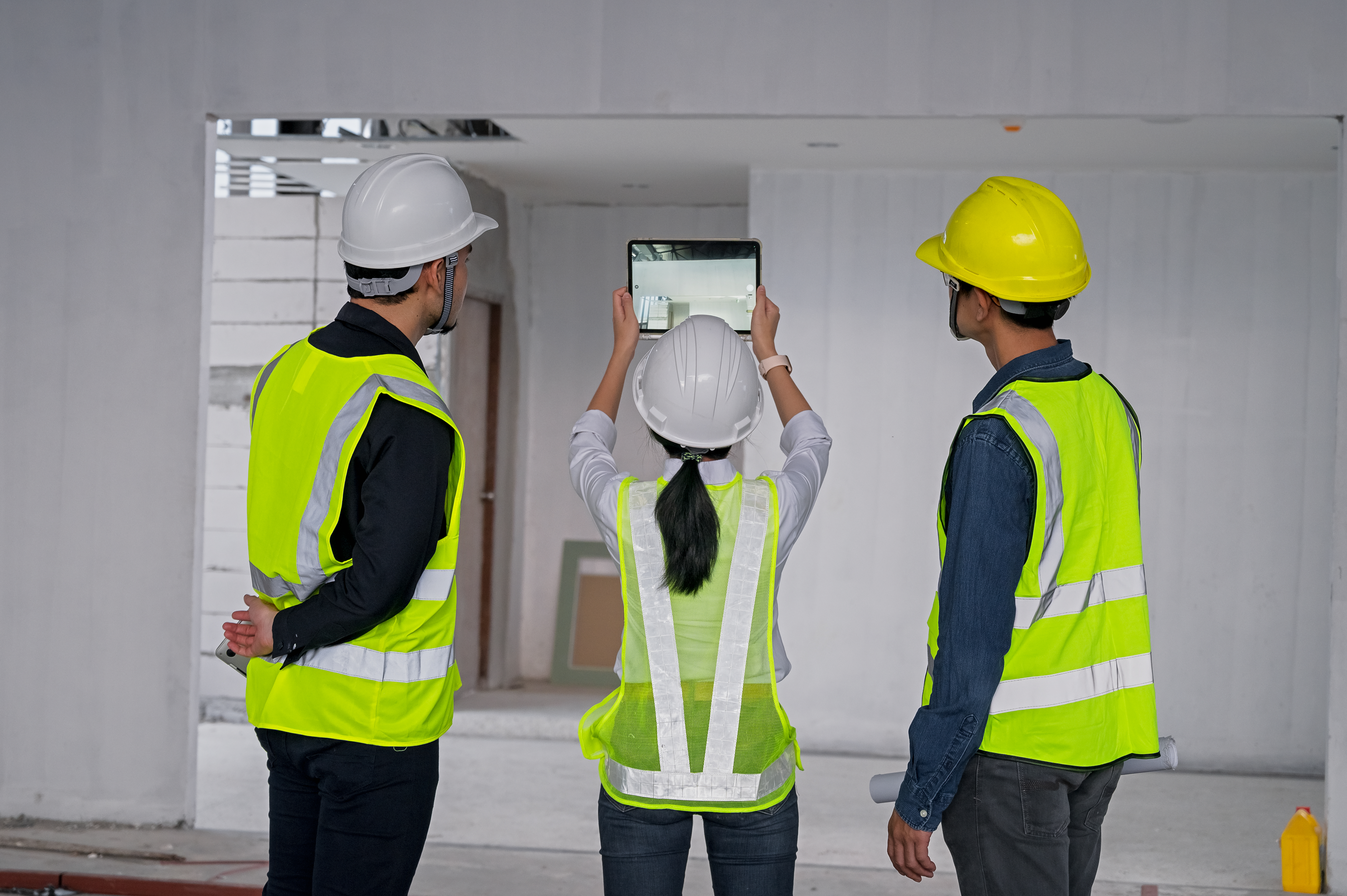
Smart automation also plays a vital role in sustainable construction. By integrating eco-friendly practices, buildings not only function efficiently but also contribute to a healthier planet.
LEED Certification in UAE
Achieving LEED certification showcases a commitment to sustainability. This certification involves meeting strict guidelines on energy use, waste reduction, and indoor air quality. Smart systems are integral to this process.
-
Energy-efficient designs: They reduce overall consumption.
-
Water-saving technologies: Minimized usage through smart plumbing.
Having LEED-certified buildings increases market value and attracts eco-conscious clients. Embracing this approach not only benefits the environment but also positions you as a leader in sustainable construction.
Predictive Maintenance and Lifecycle Value
Predictive maintenance extends the life of building systems. By using data analytics, it forecasts potential issues before they become problems. This proactive approach ensures systems run smoothly and last longer.
-
Data-driven insights: Early detection of wear and tear.
-
Reduced downtime: Fewer interruptions in service.
The longer you wait to adopt predictive maintenance, the more you risk unexpected failures. By investing in smart solutions, you protect your assets and enhance the building’s lifecycle value. Explore more about making buildings smarter with automation.
In summary, smart building automation offers compelling benefits. From energy savings to sustainable practices, these advancements help you achieve superior performance. Looking to the future, FirstWay is ready to guide your projects toward smart, efficient, and sustainable solutions.