
Innovative Sustainable Building Practices for UAE Developers and Project Managers
Sustainable construction in the UAE is no longer optional—it’s a demand shaping every project’s success. You face tight regulations like Dubai Green Building Regulations and Estidama, plus rising expectations for LEED certification and net-zero ready buildings. This blog breaks down practical, cutting-edge strategies—from energy modeling to smart building automation—that help you meet these challenges. Stay ahead by partnering with experts who turn green goals into quality, reliable outcomes. For further insights, explore this resource.
Green Building Strategies in the UAE
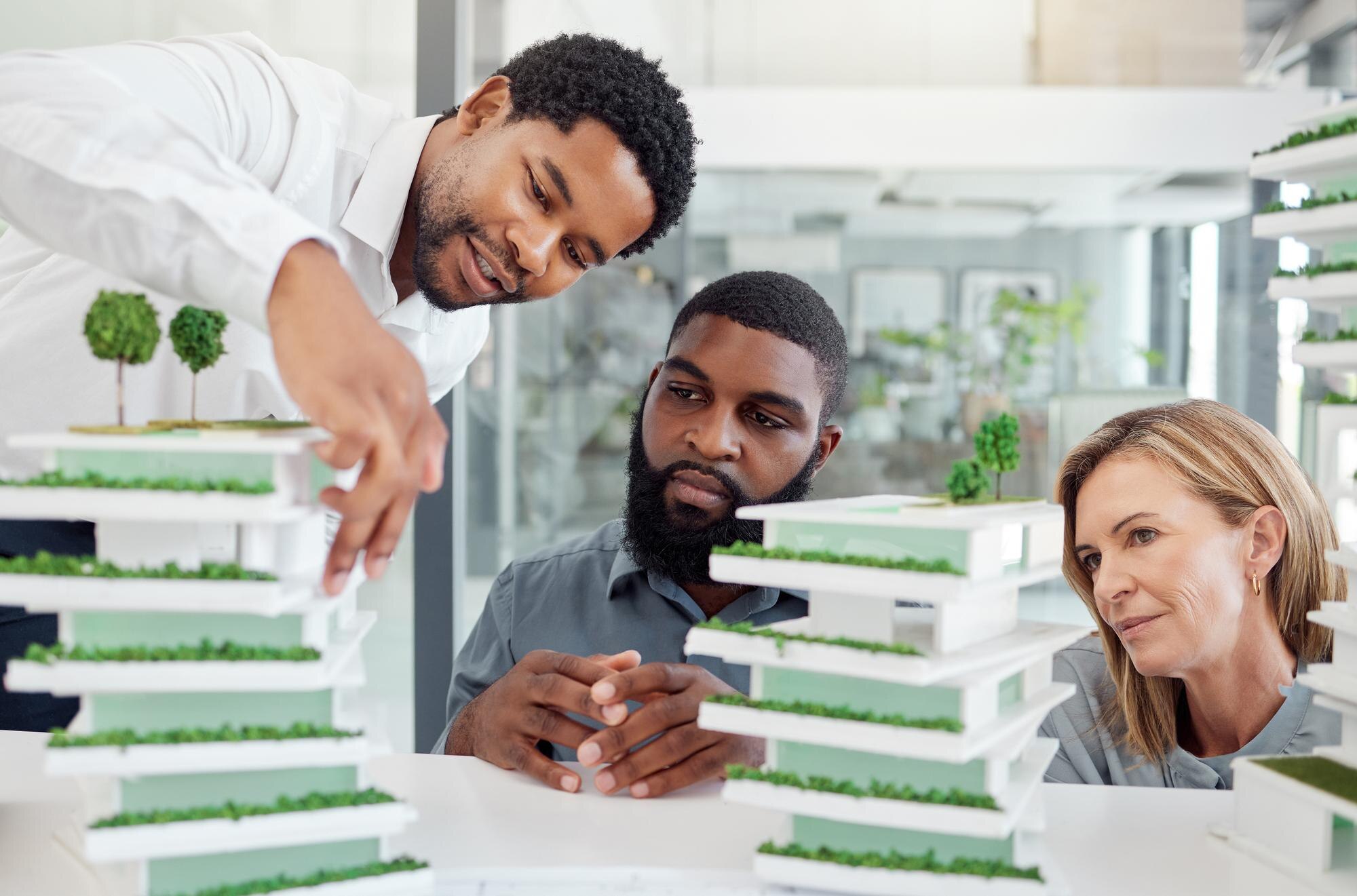
Navigating the path to sustainable construction can be daunting, but understanding the key frameworks can ease the journey. Let’s explore how Estidama and LEED certification can guide you to success in green building.
Estidama and LEED Certification
Estidama and LEED are pivotal in establishing sustainable construction practices in the UAE. You may already know that Estidama, which means “sustainability” in Arabic, focuses on the region’s unique environment. It mandates that buildings save energy and water while ensuring comfort for occupants. LEED, on the other hand, is a globally recognized certification that also prioritizes energy savings and water efficiency.
To navigate these frameworks, start by integrating energy-efficient systems early in the design phase. Using energy modeling, you can predict and improve your building’s performance. For example, a developer in Abu Dhabi cut their energy costs by 30% after implementing such strategies. Furthermore, aim to use locally sourced materials to lower your environmental footprint and gain extra certification points.
Dubai Green Building Regulations
The Dubai Green Building Regulations are now a cornerstone of the emirate’s construction landscape. They require all new buildings to meet specific sustainability metrics, particularly focusing on reducing carbon emissions. Compliance isn’t just a regulatory necessity; it’s a pathway to a greener future.
To align with these regulations, consider implementing smart building technologies. Automation systems can significantly decrease energy usage by optimizing lighting and HVAC operations. A recent project in the city reduced overall energy consumption by 20% through integrated smart systems. These advancements not only help meet mandatory requirements but also cut operational costs, enhancing your project’s long-term value.
Advanced MEP Contracting
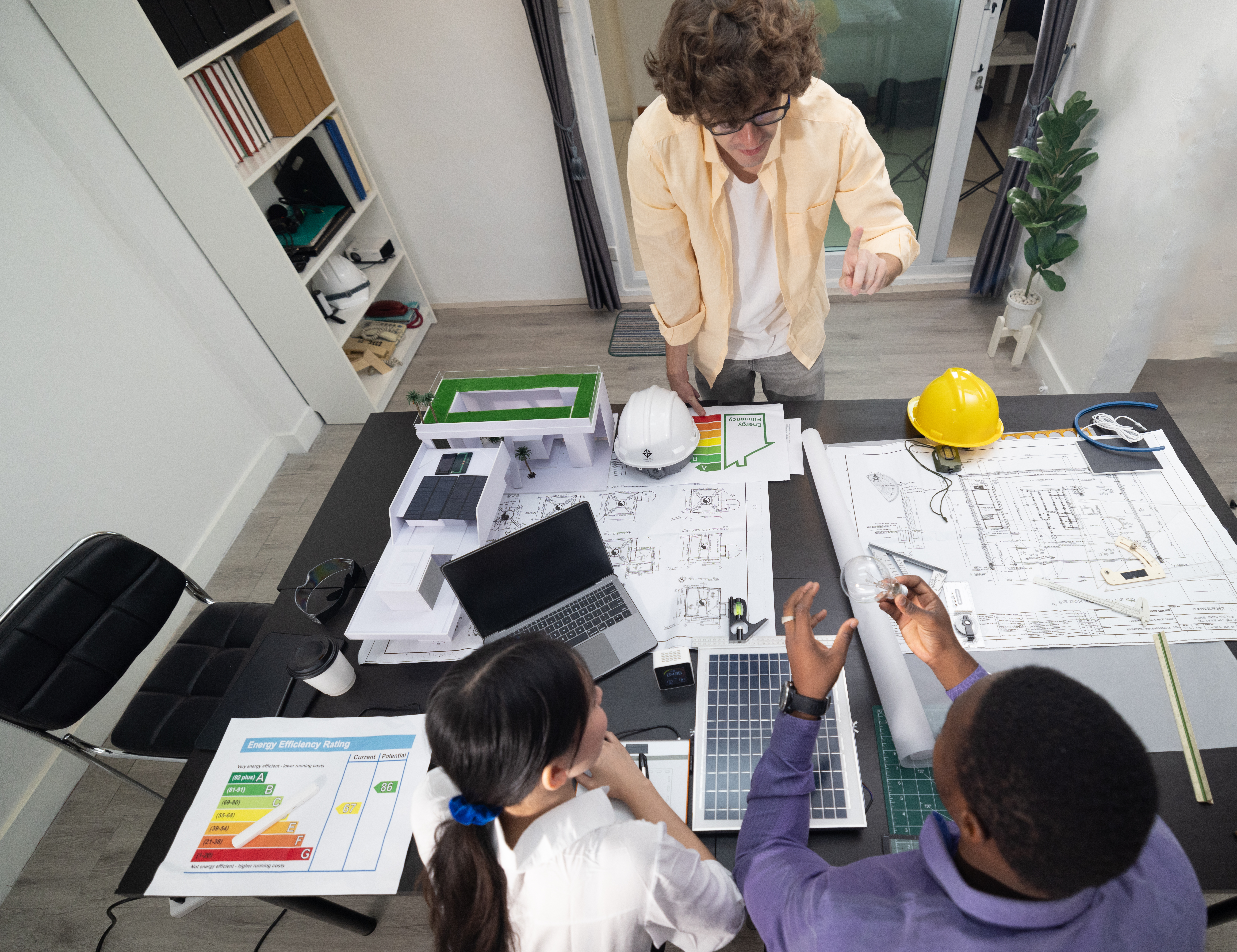
As technology advances, so do the strategies to streamline construction projects. Here, we’ll discuss how modern MEP techniques are transforming the building process.
BIM Coordination and Energy Modeling
BIM coordination and energy modeling are reshaping how projects are executed. By adopting BIM, you gain a comprehensive 3D view of your project, allowing for better planning and collaboration. This approach minimizes errors and reduces rework, saving both time and money.
Energy modeling complements BIM by providing a detailed analysis of energy consumption throughout your building’s lifecycle. For instance, a project utilizing energy modeling saw a 15% reduction in design errors. This practice not only ensures compliance with sustainability goals but also enhances project efficiency.
HVAC Efficiency and Smart Building Automation
Boosting HVAC efficiency is crucial for sustainable buildings. By integrating smart automation, you can optimize climate control systems for better energy use. Automation allows the HVAC system to respond dynamically to occupancy and weather changes, ensuring comfort without wasting energy.
Example: In a recent retrofit project, installing smart thermostats and automated vents led to a 25% drop in energy bills. The beauty of these innovations is that they can be applied to both new projects and existing structures, making upgrades feasible and beneficial.
High-Performance Systems and Technologies

As we delve into the technologies driving sustainability, you’ll discover how high-performance systems can turn ordinary buildings into eco-friendly marvels.
Solar Water Heaters and Net-Zero Ready Buildings
Solar water heaters are a simple yet effective way to harness renewable energy. These systems use the sun’s power to heat water, significantly cutting down on electricity usage. For developers, this means lower operational costs and a step closer to achieving net-zero buildings. Imagine reducing your building’s carbon footprint by up to 50% simply by switching to solar.
Net-zero buildings take efficiency to the next level. They produce as much energy as they consume. While the concept sounds ambitious, it’s entirely achievable with the right mix of design, materials, and technology. For more on sustainable building strategies, check out this comprehensive guide.
Fire-Fighting Systems and Low-Voltage ELV Systems
Safety and sustainability go hand in hand. Advanced fire-fighting systems not only protect the building’s occupants but also minimize environmental harm. Consider systems that use eco-friendly suppression agents or integrate with smart building controls to optimize performance.
Low-Voltage ELV systems enhance safety and efficiency. These systems include data, telephone, and security systems that run on lower power, reducing energy consumption. They also improve building intelligence by ensuring seamless connectivity and control, making modern buildings safer and more efficient.
In conclusion, adopting these sustainable strategies and technologies will not only help you comply with regulatory requirements but also position your projects as leaders in the industry. By integrating advanced systems and leveraging expert guidance, you can craft spaces that are not just buildings but legacies in sustainability.