
HVAC in Extreme Climates: Design, Install, and Maintain for the UAE
Extreme heat in the UAE pushes HVAC systems beyond typical limits. Your current setup may struggle with rising cooling demands and energy costs. This post explains precise heat load calculations, advanced VRF and chilled water options, and maintenance strategies that keep systems reliable in desert climates. Partner with FirstWay to ensure your HVAC installation meets ASHRAE standards UAE and achieves lasting performance. Request a site assessment and optimize your facility’s cooling today.
Designing HVAC for Desert Climates

Navigating the scorching heat of the UAE requires a keen understanding of HVAC design. Let’s explore how you can tailor your systems for harsh desert conditions.
Key Considerations for Heat Load
In desert climates, calculating the heat load is crucial. You need precision in these calculations to ensure your system can handle extreme temperatures. Factors like building orientation, insulation quality, and window placement heavily influence the total load. By accurately assessing these elements, you can avoid overloading your system and ensure efficient cooling.
Most people assume bigger systems are better, but that’s a myth. Oversized units can cause uneven cooling and increased energy bills. Instead, focus on precise calculations to match your system’s capacity to the actual demands.
Chilled Water System Benefits in UAE
When it comes to cooling large spaces in the UAE, chilled water systems offer a sustainable solution. Unlike traditional methods, these systems use water to remove heat, which can be more efficient and environmentally friendly. They work by circulating chilled water through a loop, absorbing heat from the building.
One key benefit is consistent comfort. With chilled water, you maintain even temperatures across large areas without the spikes and drops typical of other systems. Plus, these systems often result in lower energy costs, a significant advantage in a desert climate.
VRF Systems for Energy Efficiency
Variable Refrigerant Flow (VRF) systems are making waves in the HVAC world. They’re particularly suited for the UAE’s climate because they allow for precise control over each zone’s temperature. This means you can cool only the areas you need, saving energy and reducing costs.
A VRF system adjusts the refrigerant flow to match the exact cooling needs of a space. This flexibility not only enhances comfort but also reduces energy consumption. It’s a tech-forward approach to achieving the perfect balance of efficiency and comfort.
Best Practices for HVAC Installation

With the right design in place, the next step is ensuring a proper installation. This involves meticulous attention to detail, from duct design to system integration.
Duct Design for Optimal Airflow
Proper duct design is the backbone of any efficient HVAC system. It’s about creating a pathway that allows air to flow smoothly throughout the building. Poorly designed ducts can lead to leaks and uneven distribution, causing discomfort and energy waste.
Ensure your ducts are the right size and sealed properly. This minimizes loss and maximizes airflow, ensuring each room in your building gets the cooling it needs. Remember, small tweaks in duct design can lead to big improvements in performance.
BMS Integration for Smart HVAC
Integrating a Building Management System (BMS) can elevate your HVAC setup. A BMS connects all components of your system, allowing for centralized control and monitoring. This integration leads to smarter energy use and improved system performance.
With BMS, you can automate temperature settings based on occupancy and time, optimizing comfort and efficiency. This smart approach not only saves energy but also extends the life of your system, making it a wise investment for any building.
R32 Refrigerant and ASHRAE Standards
Choosing the right refrigerant is key, and R32 stands out for its efficiency and reduced environmental impact. It has a lower global warming potential than many common alternatives, aligning with global sustainability goals.
Adhering to ASHRAE standards ensures your system is not only efficient but also safe and reliable. These standards guide everything from installation practices to refrigerant management, providing a benchmark for excellence in HVAC design and performance.
Ensuring Long-term HVAC Performance
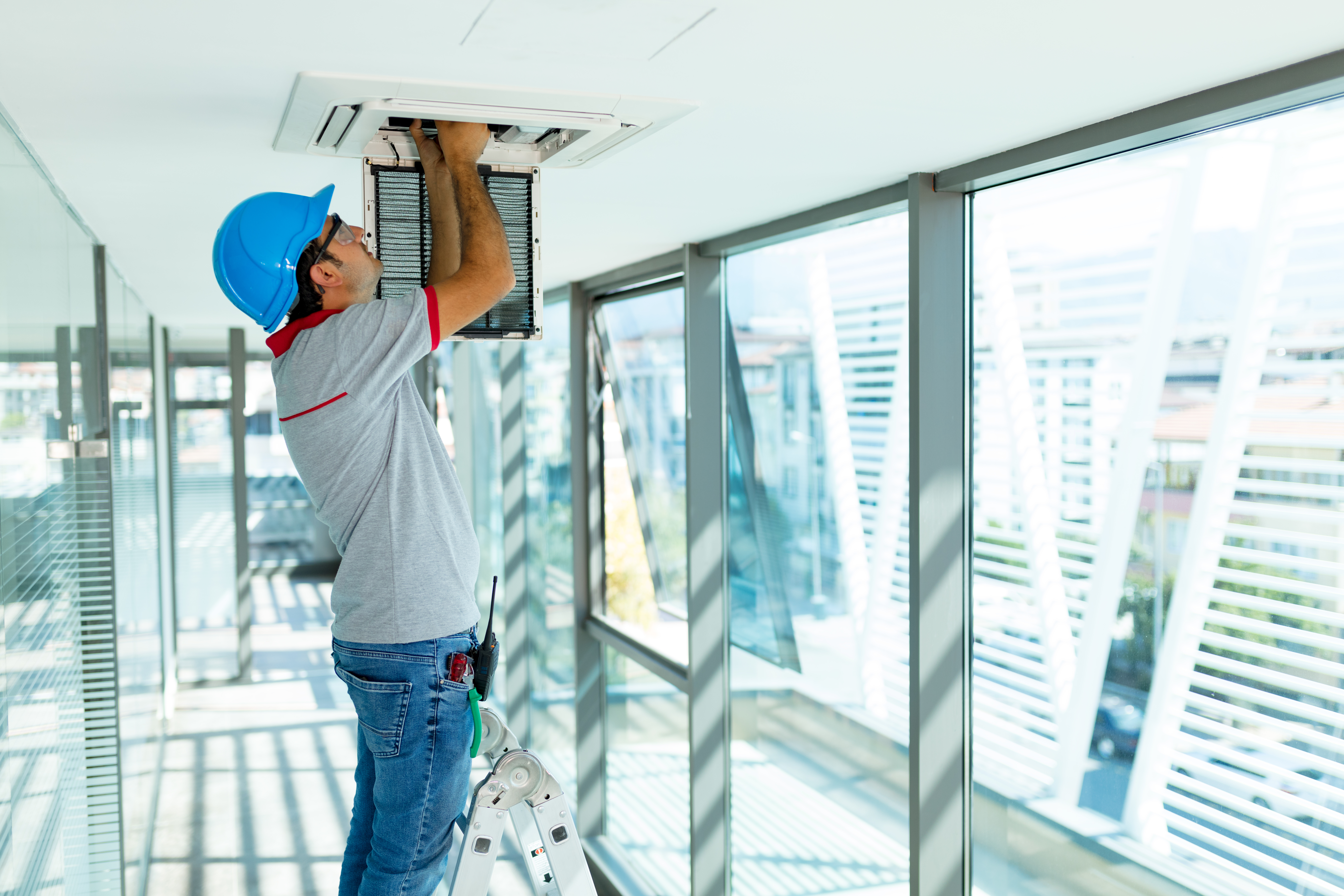
Once installed, maintaining your HVAC system is essential for long-term success. Regular upkeep and updates can save you from costly issues down the line.
Preventive Maintenance Essentials
Preventive maintenance is your first line of defense against system failures. Regular checks and servicing keep your system running smoothly, preventing unexpected breakdowns. Key tasks include filter changes, duct inspections, and thermostat calibrations.
By scheduling regular maintenance, you avoid costly repairs and extend the life of your equipment. It’s a proactive approach that pays off in reliability and efficiency.
HVAC Retrofitting Strategies
As technology evolves, retrofitting offers a way to update existing systems without a complete overhaul. Upgrades like new thermostats or more efficient compressors can enhance performance and reduce energy use.
Retrofitting is a cost-effective strategy, especially for older systems. It allows you to integrate new technologies and improve performance without the expense of a full replacement.
Importance of IAQ Solutions
Indoor Air Quality (IAQ) solutions are vital for maintaining a healthy environment. In the UAE, where dust and pollutants are common, ensuring clean air is a must. Solutions like air purifiers and advanced filtration systems can significantly improve IAQ.
Good IAQ is not just about comfort; it’s about health. By investing in quality air solutions, you protect occupants from allergens and pollutants, creating a safer, more comfortable indoor environment.
In conclusion, designing and maintaining HVAC systems in extreme climates like the UAE requires precision, smart integration, and ongoing care. By following these best practices, you ensure your system delivers optimal performance, comfort, and efficiency.