
How Advanced Fire-Fighting Systems Elevate UAE Building Safety Standards
Advanced fire-fighting systems redefine UAE building safety by meeting strict UAE Fire and Life Safety Code requirements. You need solutions that secure approvals from Dubai Civil Defense while ensuring comprehensive protection for occupants and assets. This post highlights key benefits—from sprinkler system design to clean agent suppression—and shows how FirstWay expertly guides your project from design through maintenance for lasting compliance and safety. For more information, visit https://www.firetestingsolutions.com/advanced-fire-protection-systems-how-modern-technology-enhances-safety.
Importance of Advanced Fire-Fighting Systems
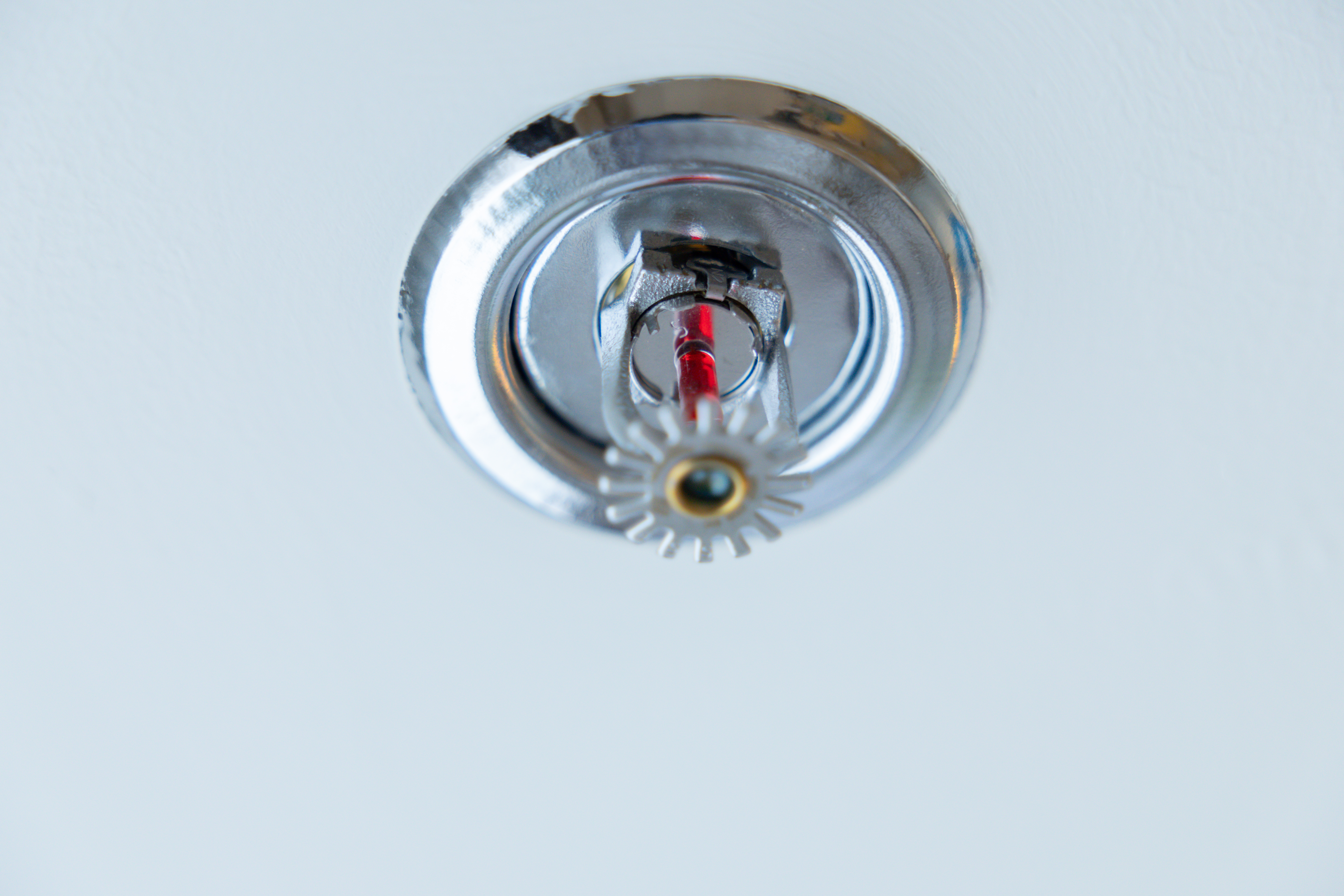
Advanced fire-fighting systems offer crucial protection, enhancing safety and compliance across UAE buildings. This section explores how these systems are integrated to meet stringent standards.
Enhancing UAE Building Safety
Imagine a fire breaking out in a high-rise without proper fire-fighting systems. The consequences could be devastating. With advanced fire-fighting systems, you can secure your building and protect its occupants. These systems help reduce fire risks significantly by detecting and suppressing fires quickly. This proactive approach ensures that both lives and property are safeguarded, providing peace of mind for all stakeholders.
Meeting UAE Fire and Life Safety Code
Compliance with the UAE Fire and Life Safety Code is non-negotiable. These regulations are designed to ensure the highest safety standards are met in every building. Advanced systems facilitate meeting these rigorous requirements seamlessly. From detailed sprinkler system design to the use of clean agent suppression like Novec 1230 and FM-200, these systems are engineered to align with the code. By adhering to these standards, you not only protect lives but also avoid costly penalties and delays.
Role of NFPA Standards
NFPA standards are the backbone of effective fire protection solutions. They provide a framework for designing reliable fire suppression systems. By following these guidelines, your building’s fire safety strategy is built on strong foundations. Utilizing NFPA standards ensures that every component—from fire pumps to jockey pumps—functions optimally. This adherence guarantees that your safety measures are both effective and compliant, further enhancing your building’s defense against fires. For more insights, check this informative article.
Key Components of Fire Suppression Systems
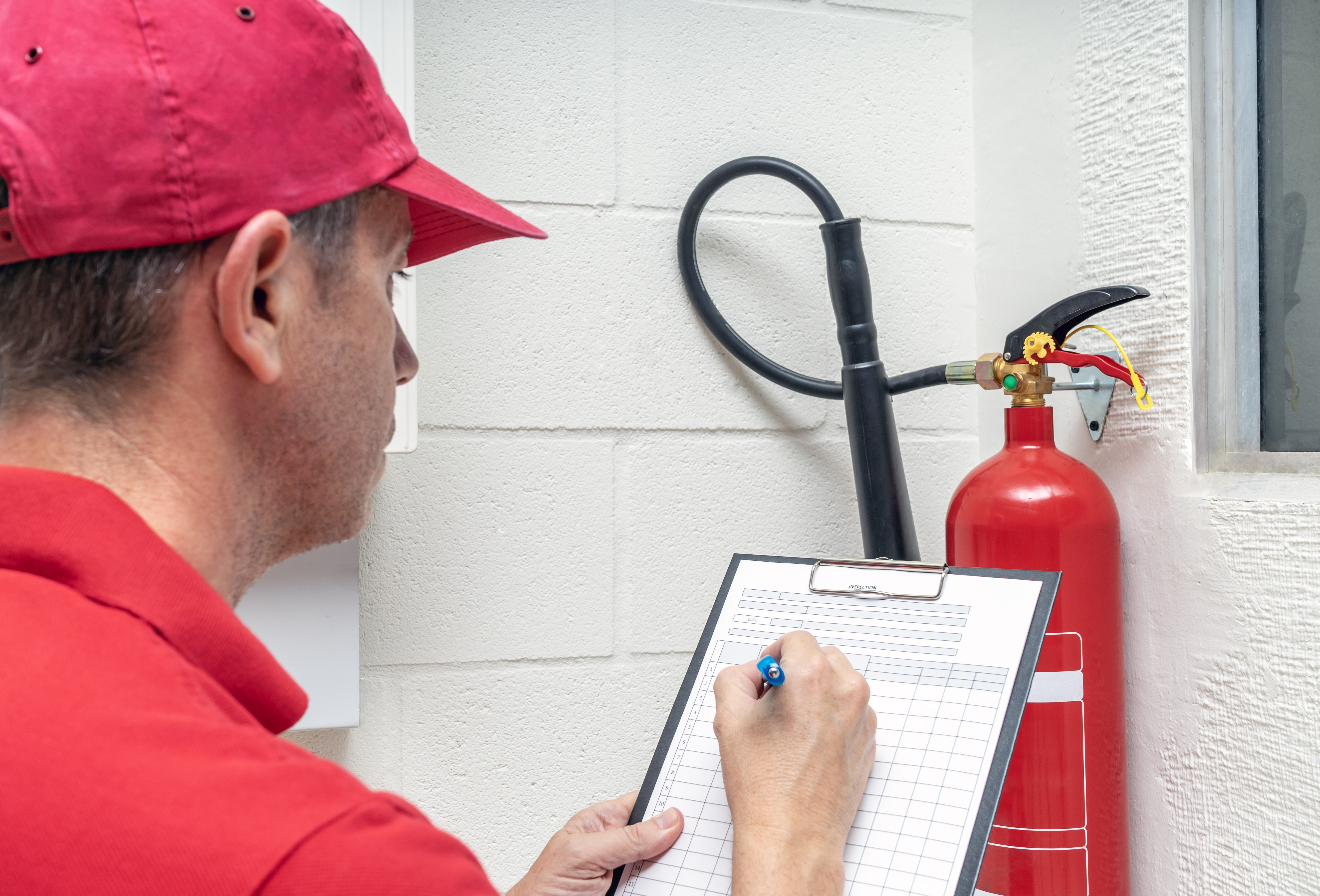
Understanding the components of fire suppression systems is vital. From sprinkler designs to clean agents, each plays a crucial role in fire safety.
Sprinkler System Design and Installation
Sprinkler systems are a cornerstone of fire safety. They activate automatically, dousing flames before they can spread. Proper sprinkler system design considers building layout and specific risks. Installation is equally critical, requiring precision to ensure coverage in all necessary areas. This setup minimizes fire damage and protects life and property. It’s an essential investment for any building aiming for top-tier safety standards.
Clean Agent Suppression: Novec 1230 and FM-200
For spaces where traditional water sprinklers could cause damage, clean agent suppression systems are ideal. Novec 1230 and FM-200 are popular choices in the UAE. These agents work by interrupting the chemical reaction that sustains a fire. Importantly, they leave no residue and are safe for sensitive equipment. Whether protecting a data center or an art gallery, clean agents offer peace of mind without the risk of collateral damage.
Fire Pumps and Jockey Pumps
Fire pumps and jockey pumps ensure that your fire suppression systems have the necessary water pressure to operate effectively. Fire pumps deliver high-pressure water supply during an emergency, while jockey pumps maintain pressure in the pipes, ensuring readiness. These components are critical in maintaining the efficiency and reliability of your fire protection system, safeguarding your building round the clock.
Ensuring Compliance and Maintenance
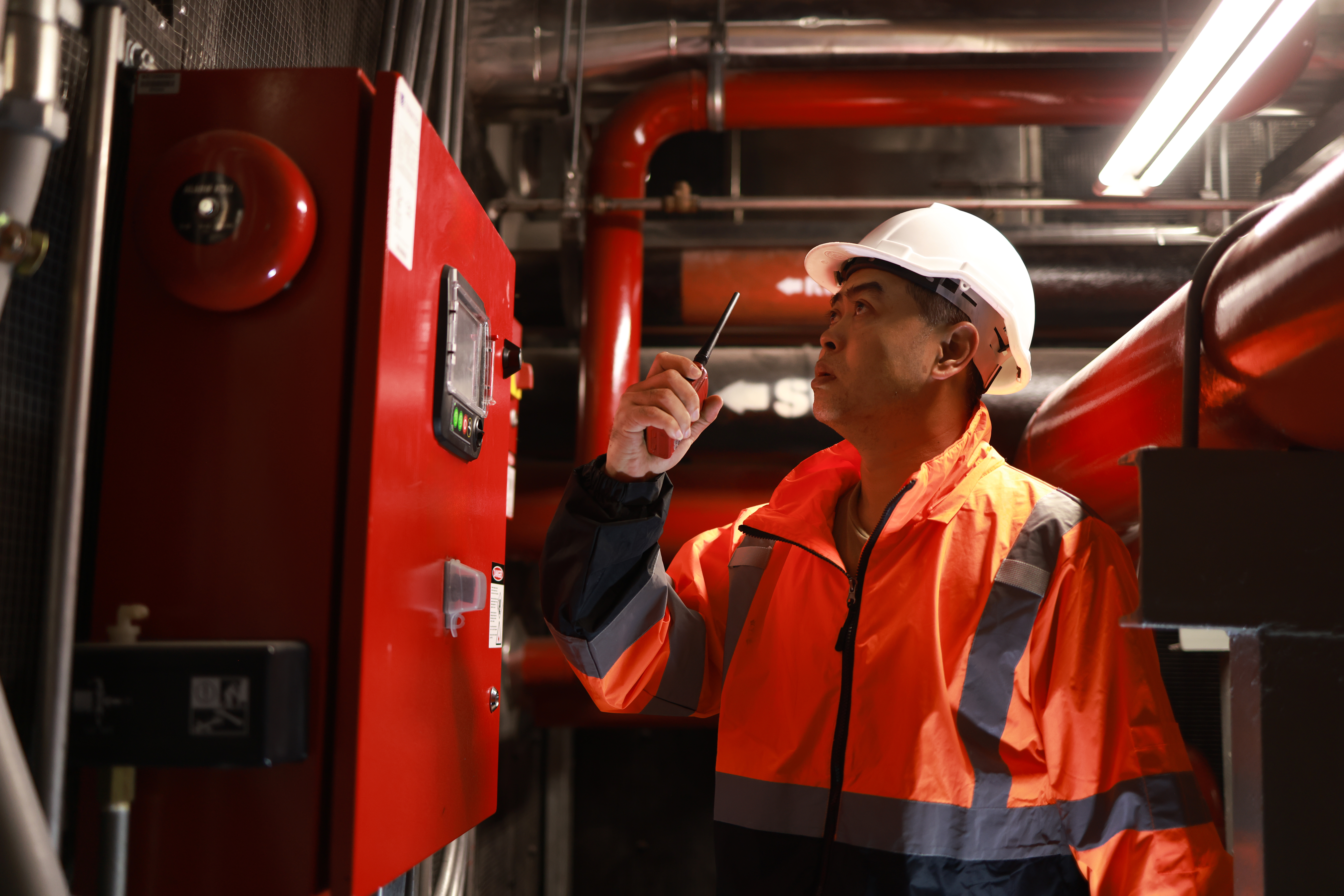
Keeping your fire systems compliant and well-maintained is essential for ongoing safety and defense against fires.
Dubai Civil Defense Approval Process
Securing approval from Dubai Civil Defense is a crucial step in fire safety planning. The process involves ensuring that all systems meet regulatory standards and are properly documented. This approval not only certifies compliance but also boosts confidence in the system’s reliability. By partnering with experts, you can navigate this process smoothly, ensuring all criteria are met efficiently.
Testing and Commissioning Fire Systems
Testing and commissioning are critical phases where systems are evaluated for functionality and compliance. This stage involves rigorous checks to confirm that everything operates as intended. Regular testing ensures that systems respond effectively during a fire, providing assurance of their reliability. Skipping this step could mean the difference between safety and catastrophe.
Annual Maintenance Contract (AMC) and Lifecycle Reliability
An Annual Maintenance Contract (AMC) is crucial for the long-term reliability of fire systems. Routine inspections, testing, and servicing ensure that every component is in top working order. Consistent maintenance not only extends system lifespan but also guarantees readiness in emergencies. By investing in an AMC, you’re not just maintaining equipment—you’re investing in safety and peace of mind. For more detailed insights, explore this comprehensive guide.
By understanding and implementing advanced fire-fighting systems, your building not only meets compliance standards but also ensures maximum safety for all occupants. This proactive approach is a testament to your commitment to quality and safety, setting the foundation for enduring trust and security.