
Efficient HVAC for Extreme Climates: A UAE Selection and Installation Guide
Extreme heat demands more than standard HVAC; it requires precision in selection and installation. You face challenges like soaring temperatures and high humidity that strain typical systems. This guide breaks down key factors to help you choose and install HVAC UAE solutions tailored for desert cooling solutions and efficient performance. Request a site visit and tailored HVAC proposal. Speak to FirstWay’s MEP team today. Learn more here.
Choosing HVAC for Extreme Climates
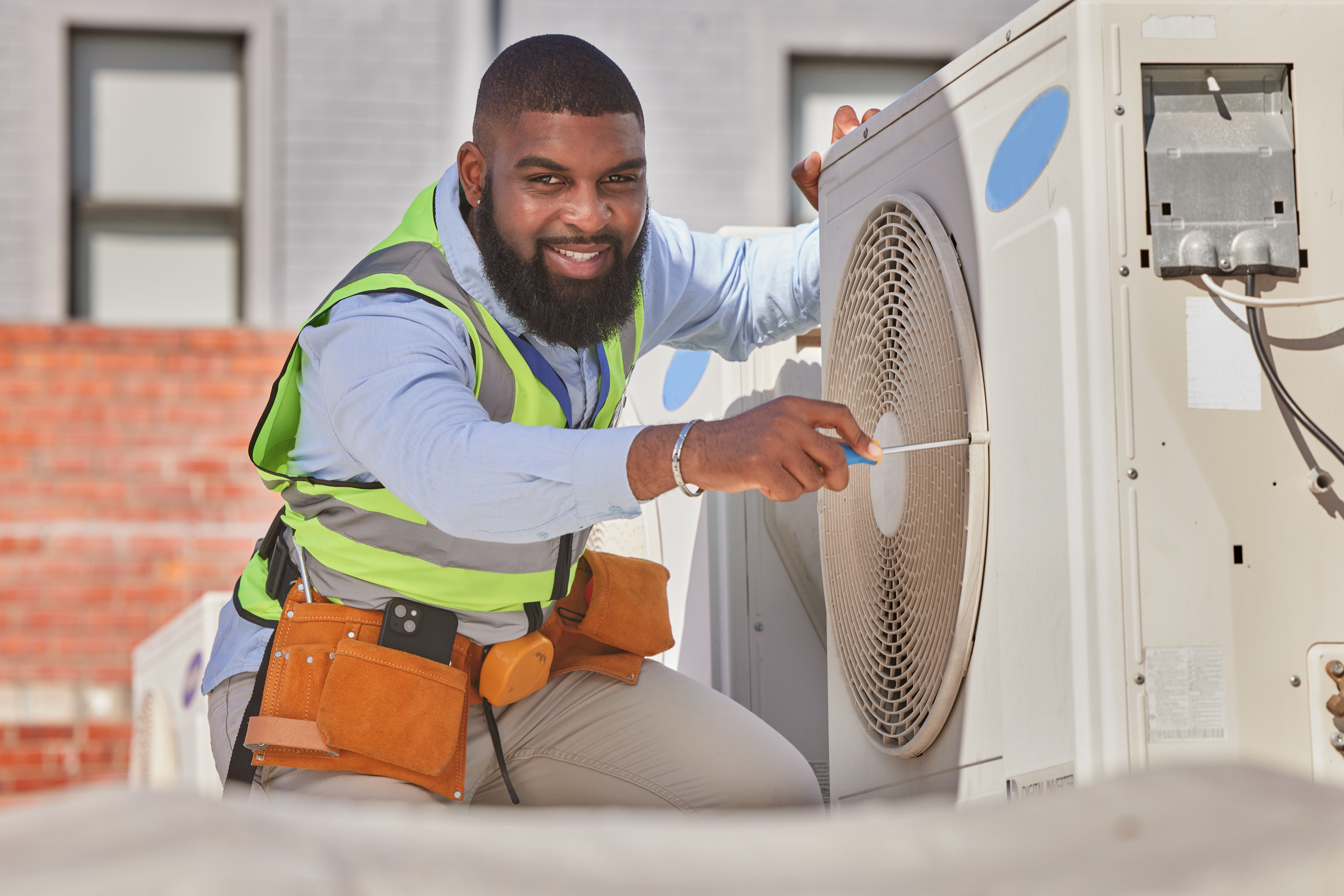
Selecting the right HVAC system is crucial for handling extreme climates like the UAE. Here’s how you can make informed choices to ensure comfort and efficiency.
Key Selection Criteria
Choosing an HVAC system isn’t just about cooling; it’s about choosing a system that can handle the harsh climate effectively. Consider systems with inverter compressors that adjust to temperature changes, providing consistent cooling without overloading. Look for features like chiller plant efficiency and variable speed drives (VFD) that ensure optimal performance and energy savings.
Additionally, you should prioritize VRF systems that offer flexibility and control over individual zones. This allows for tailored cooling solutions, which can be more energy-efficient than traditional systems. Remember, the key is to find systems that meet ASHRAE standards to guarantee reliability and durability in extreme conditions.
Understanding Heat Load Calculations
Understanding heat load calculations is essential in choosing the right HVAC system for your space. These calculations determine the amount of cooling needed by considering factors like room size, insulation, and occupancy. Accurate heat load calculations ensure you aren’t overspending on an oversized system or undercooling with a too-small unit.
An example: A 2,000 square-foot home with proper insulation might require a system that provides 2.5 tons of cooling. Without proper calculations, you might either overestimate and spend unnecessarily or underestimate and face inadequate cooling.
Importance of SEER Rating
The SEER rating of an HVAC system indicates its energy efficiency. The higher the rating, the more efficient the system. For extreme climates, a SEER rating of at least 14 is recommended, ensuring the system uses less energy while providing adequate cooling. This not only lowers energy bills but also reduces the environmental impact.
By choosing systems with a high SEER rating, you’re investing in long-term savings. Always compare SEER ratings when selecting between different models to ensure you’re getting the best value for your investment.
Installation Best Practices
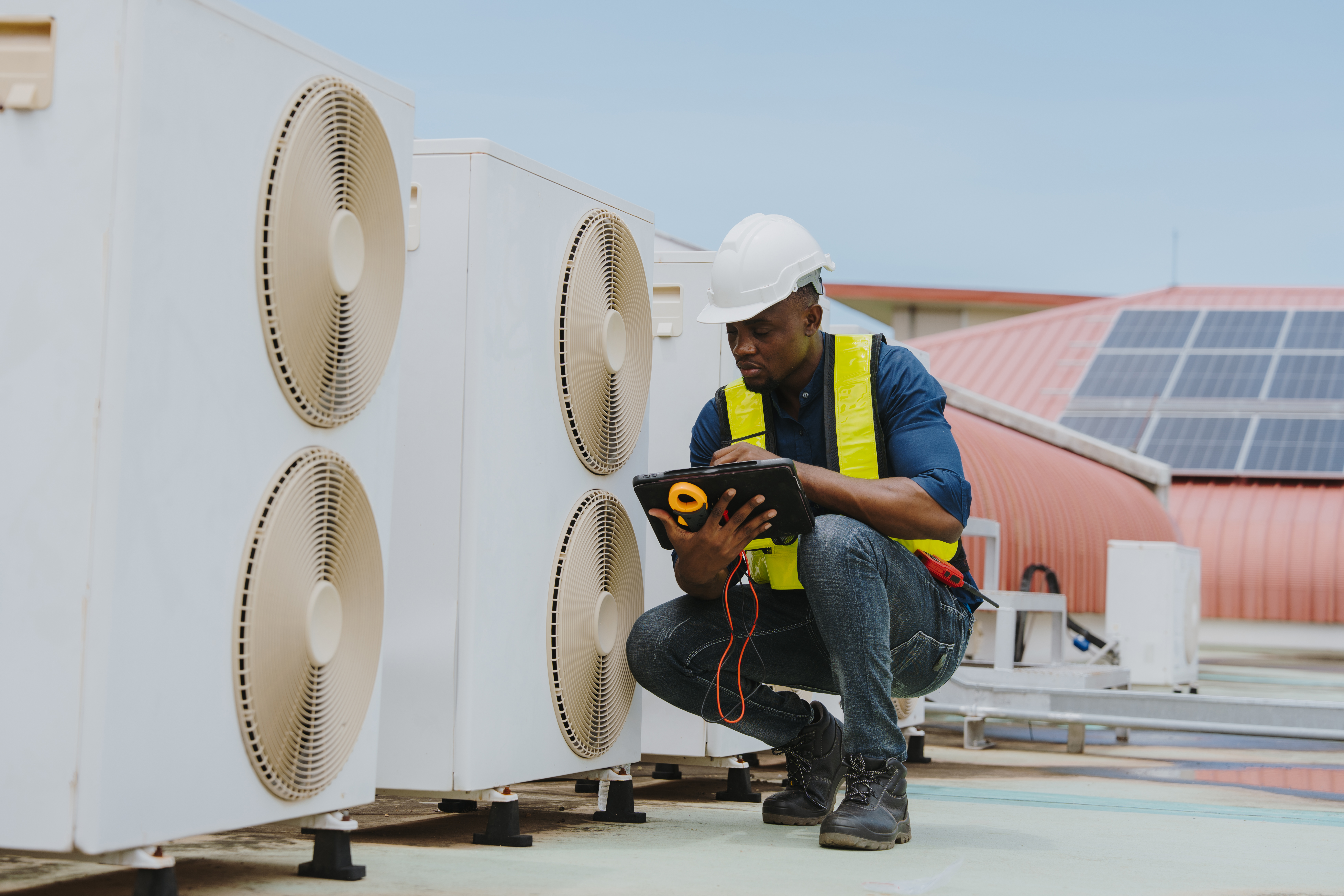
Proper installation is just as crucial as choosing the right system. Here’s how you can ensure your HVAC system is set up for optimal performance.
Thermal Insulation and Duct Sealing
Thermal insulation plays a significant role in maintaining desired indoor temperatures. Ensure walls and ceilings are well-insulated to prevent heat gain. Duct sealing is equally important to avoid air leaks, which can lead to energy loss and decreased cooling efficiency.
A simple way to check for duct leaks is by placing your hand near duct joints to feel for escaping air. Proper sealing can improve system efficiency by up to 20%.
Commissioning and TAB Procedures
Proper commissioning and Testing, Adjusting, and Balancing (TAB) procedures ensure that your HVAC system operates as intended. This process involves comprehensive checks and adjustments to verify that the system components are working optimally.
TAB procedures are critical in identifying issues like airflow discrepancies or incorrect system settings, which can impact efficiency. Conducting these procedures ensures that your system delivers the expected performance and comfort levels.
BMS Integration and Smart Controls
Integrating your HVAC system with a Building Management System (BMS) can significantly enhance its control and efficiency. Smart controls allow for automated adjustments based on real-time data, optimizing energy use and comfort levels.
Consider implementing smart thermostats that learn your preferences and adjust settings automatically. This not only improves comfort but also contributes to energy savings, making your system more sustainable.
Ensuring Long-term Efficiency
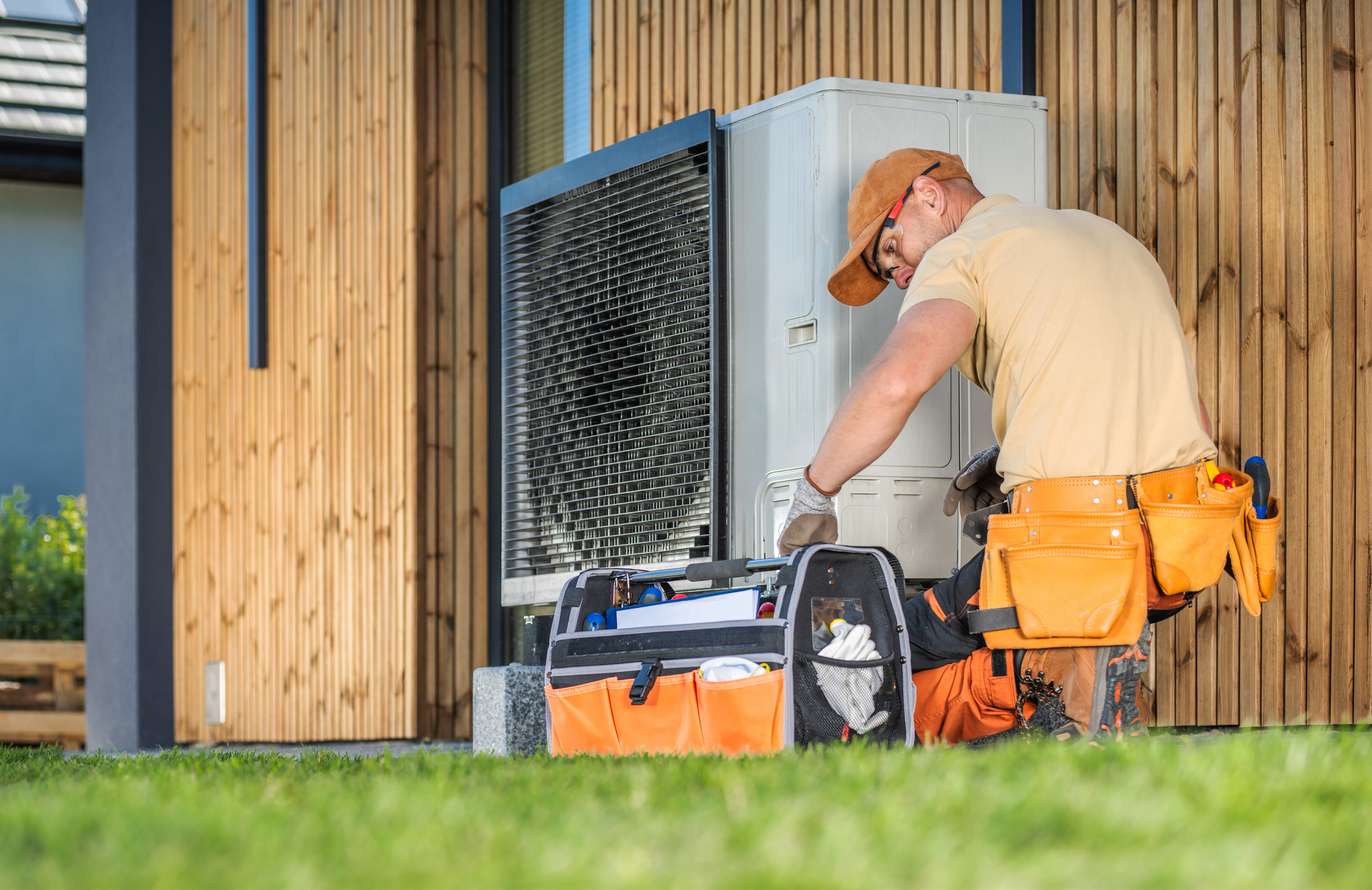
Beyond installation, maintaining your system’s efficiency over time is crucial. Here’s how you can ensure your HVAC system remains effective and efficient.
HVAC Maintenance in Dubai
Regular HVAC maintenance in Dubai is essential due to the harsh climate. This includes routine checks, filter replacements, and cleaning of coils to ensure the system operates efficiently. Neglecting maintenance can lead to reduced performance and higher energy consumption.
Consider scheduling bi-annual maintenance checks to keep your system in top condition and extend its lifespan.
Energy Modeling and IAQ Considerations
Energy modeling helps predict your system’s performance over time and identify potential improvements. This involves simulating different scenarios to optimize system settings for better efficiency.
In addition, focus on Indoor Air Quality (IAQ) by using filters with high MERV ratings to trap pollutants. This ensures a healthier indoor environment and complements the system’s cooling capabilities.
Retrofitting and Upgrading Systems
Retrofitting existing systems with newer, more efficient components can enhance performance and reduce energy consumption. Consider upgrades like variable speed drives or more efficient compressors to improve your system’s efficiency.
For aging systems, complete replacement might be more cost-effective in the long run. Evaluate the potential savings against the cost of upgrades to make an informed decision.
By following these guidelines, you can ensure your HVAC system remains effective in the extreme climates of the UAE. Prioritize proper selection, installation, and maintenance to enjoy lasting comfort and efficiency.