
Critical factors in selecting and installing advanced fire-fighting systems in UAE buildings
Selecting the right advanced fire-fighting systems UAE demands careful attention to compliance, integration, and long-term reliability. Fire safety rules like the UAE Fire and Life Safety Code and approvals from Dubai Civil Defense set strict requirements that cannot be overlooked. This guide highlights essential factors to help you choose and install systems that protect your assets and occupants effectively. Keep reading to understand how FirstWay supports your project from design to maintenance with expert precision. For more insights, visit this link.
Choosing Fire-Fighting Systems in UAE
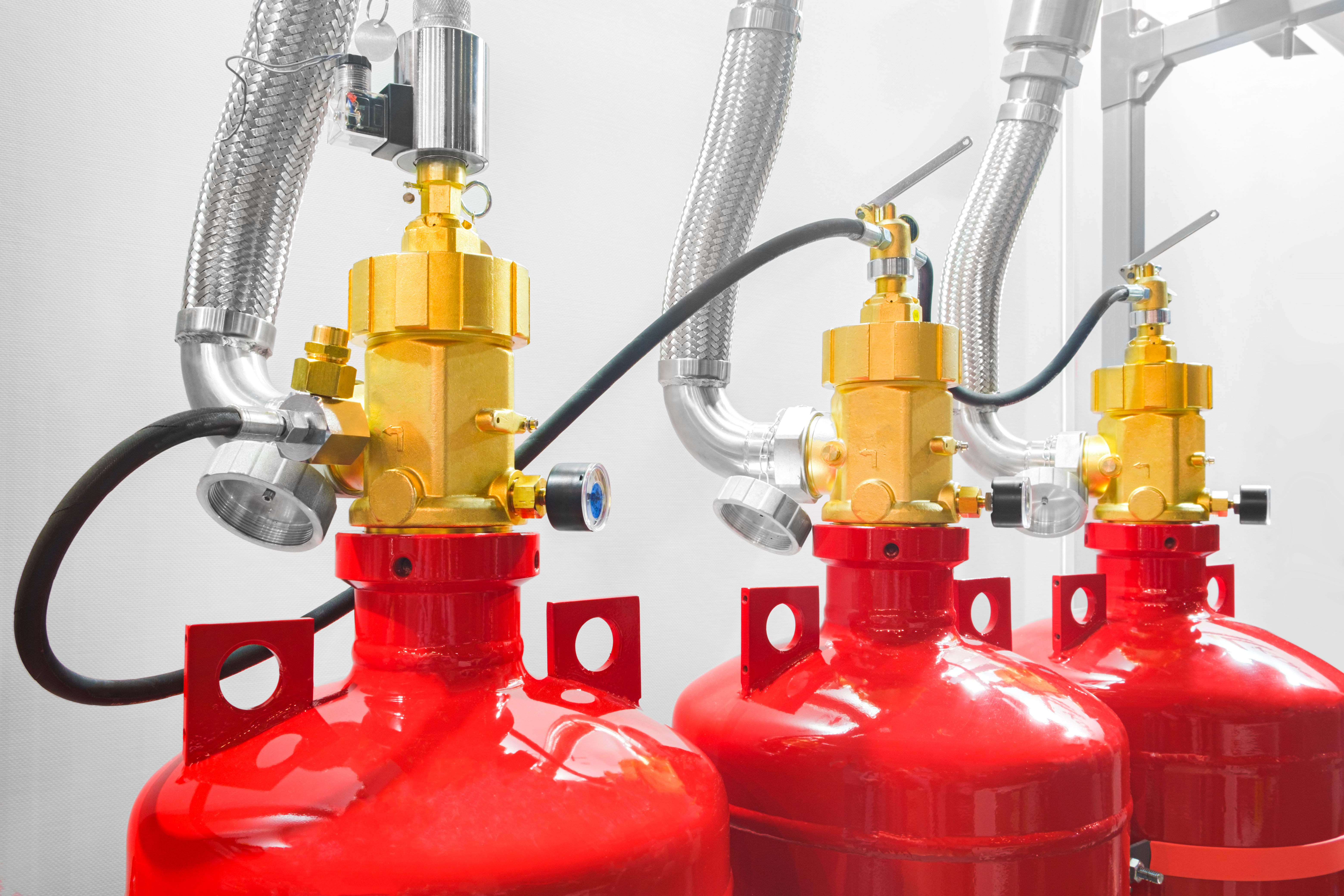
Selecting the right system is more than just picking equipment. It involves understanding regulations, choosing approved gear, and ensuring compatibility. Each step is essential to safeguard properties and lives.
Understanding UAE Fire Safety Code
The UAE Fire and Life Safety Code is your starting point. This document outlines the necessary standards for fire safety across the nation. Following it is crucial for compliance. The code sets guidelines on everything from installation to maintenance. Ensuring your project meets these criteria is vital for safety and legality. Not only does it protect your building, but it also ensures peace of mind.
Selecting UL/FM Approved Equipment
Equipment approval matters. UL/FM certifications indicate safety and performance standards are met. Such equipment has been rigorously tested. Using it guarantees reliability in emergencies. This step is critical when choosing fire-fighting gear. Reliable equipment means fewer malfunctions and better performance when needed most.
Addressable Fire Alarm Systems
Addressable systems offer precision. Unlike conventional alarms, they identify exact locations of incidents. This accuracy speeds up response times. Faster responses mean minimized damage and enhanced safety. These systems communicate more effectively with control panels, allowing for quicker, more informed decisions during emergencies.
Installation and Compliance Considerations
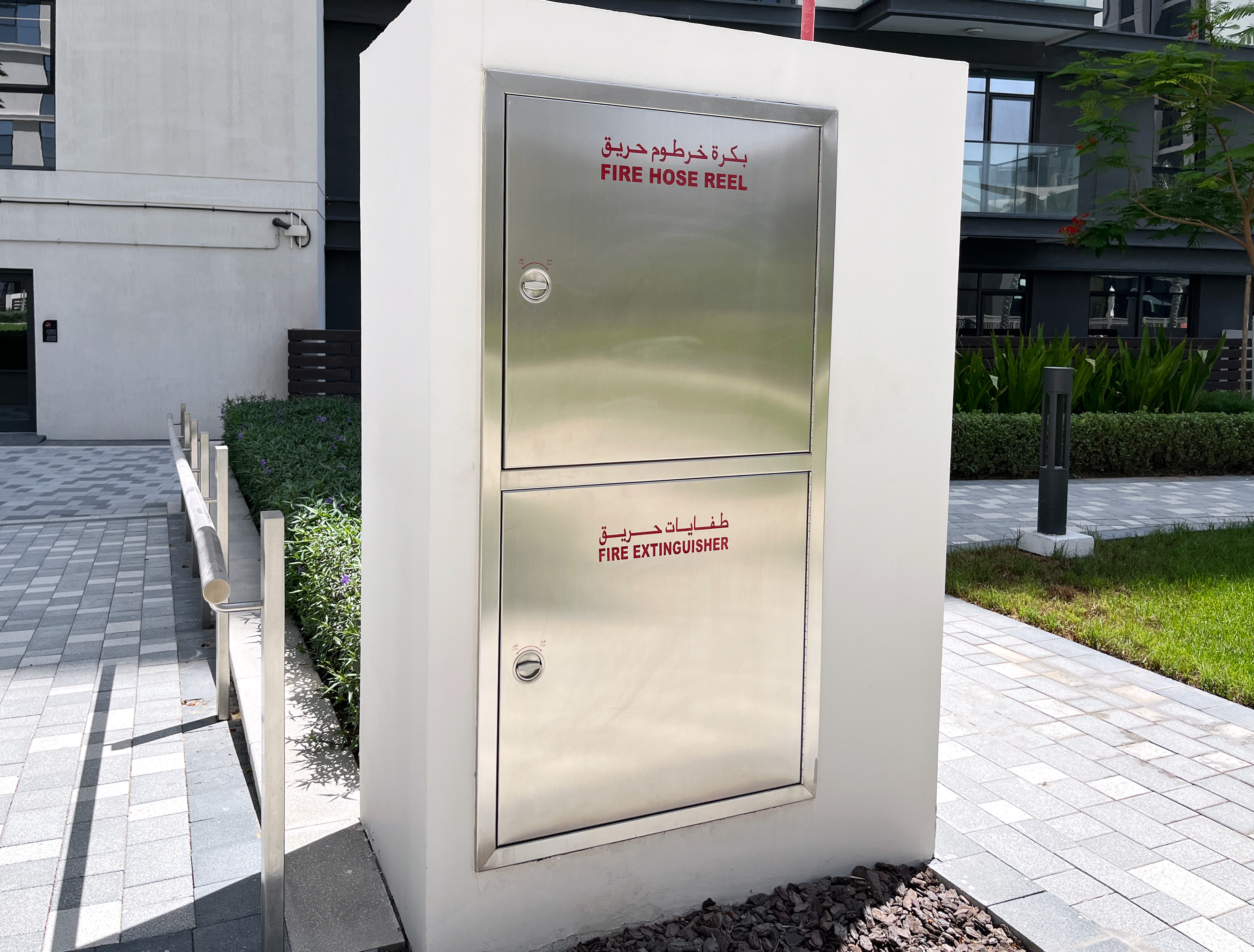
Getting equipment is only part of the journey. Proper installation and meeting compliance are crucial next steps. These ensure that systems function when they are needed most.
Dubai Civil Defense Approval Process
Approval from Dubai Civil Defense is mandatory. This process involves submitting plans and getting inspections. Approval signifies that your system meets local standards. Without it, you risk fines or legal issues. This step confirms your commitment to safety and compliance.
Integrating Fire Alarms with BMS
Fire alarms should work with Building Management Systems (BMS). Integration allows for centralized control, enhancing efficiency. With BMS, you can monitor multiple systems simultaneously. This integration streamlines operations and boosts safety. It ensures that all parts of your building communicate effectively during emergencies.
BIM Coordination for MEP Projects
Building Information Modeling (BIM) is vital for MEP projects. It coordinates multiple systems, ensuring seamless integration. BIM helps identify potential conflicts before installation. This proactive approach saves time and costs. Effective coordination leads to smoother project execution and better system performance.
Ensuring Performance and Maintenance
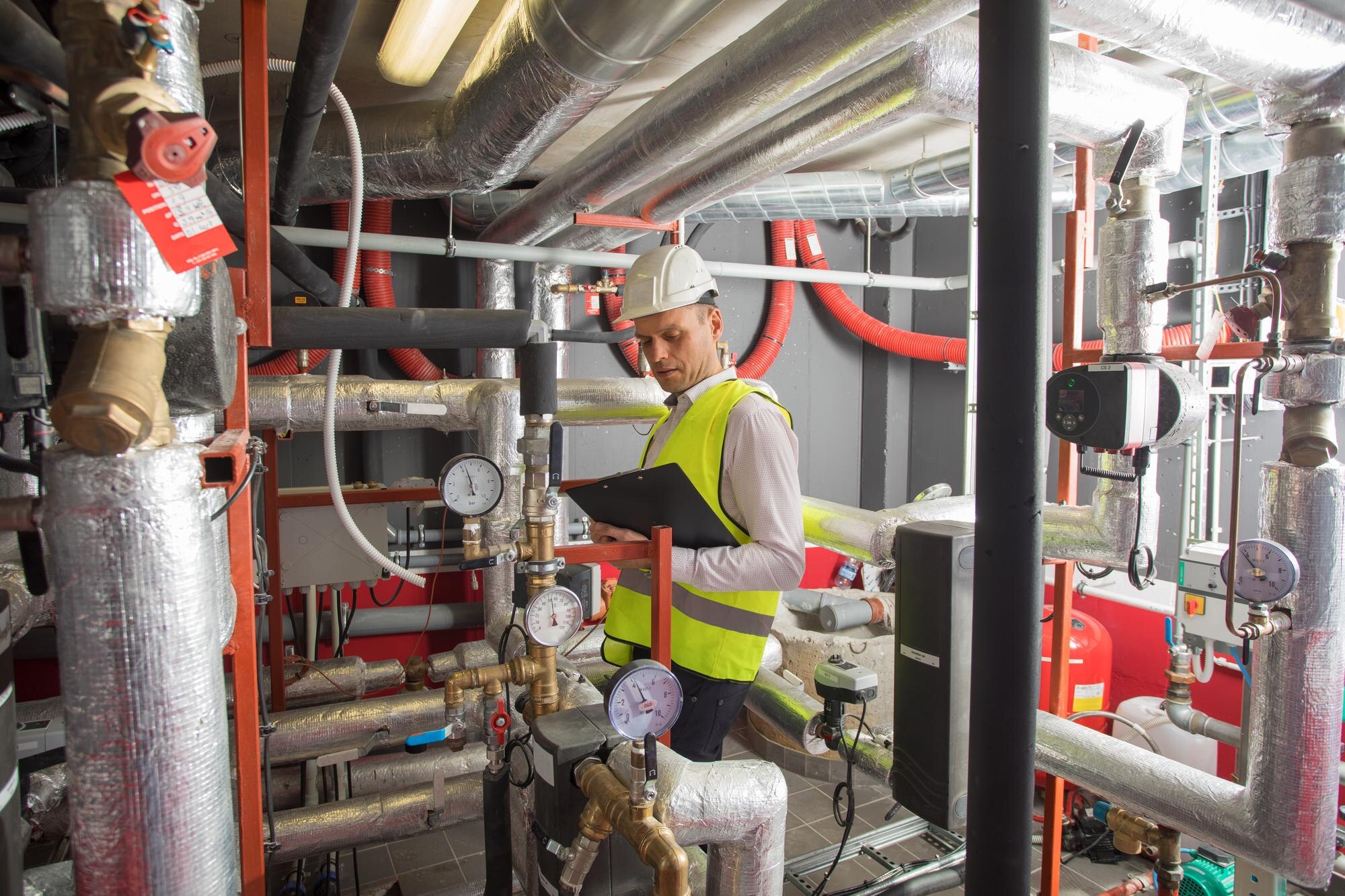
Once installed, systems require regular checks and upkeep. This ensures they perform optimally when needed most.
Fire Pump Commissioning and Testing
Fire pumps need thorough commissioning and testing. This process ensures they deliver water when required. Regular testing identifies issues early, preventing failures. Reliable pumps mean dependable water flow during fires. Consistent checks are essential for maintaining efficacy.
Annual Maintenance Contracts for Fire Systems
Annual Maintenance Contracts (AMCs) are a smart choice. They ensure systems remain in top condition. Regular maintenance catches problems before they escalate. AMCs offer peace of mind and extend system life. This proactive approach protects both assets and lives.
Conducting Facility Fire Safety Audits
Regular audits assess fire safety readiness. These evaluations identify potential risks and areas for improvement. Audits ensure compliance with safety regulations. They highlight weaknesses and suggest corrective actions. Ongoing audits keep your facility prepared and protected. By investing in audits, you demonstrate a commitment to safety and compliance.
In summary, selecting and installing advanced fire-fighting systems in the UAE involves careful consideration of regulations, equipment approvals, and integration with other building systems. By ensuring compliance and maintaining regular performance checks, you can safeguard your investments and protect occupants effectively. For more detailed guidance, explore this comprehensive guide.