
Before you break ground, missing critical steps can derail your project and inflate costs. Your pre-construction checklist UAE must cover civil and MEP contracting essentials to meet authority requirements like DEWA and Dubai Municipality approvals. This guide highlights key reviews to help you reduce risk and streamline delivery. Book a pre-construction review with FirstWay to secure approvals, de-risk delivery, and mobilize with confidence. Learn more about MEP checklists.
Pre-Construction Checklist Essentials
Before construction begins, ensuring all essentials are in place is crucial for a smooth project. Let’s explore what you need to check off your list.
Authority Approvals in the UAE
Getting the necessary approvals from UAE authorities is the first step to ensure compliance and avoid delays. You’ll need to secure permissions from entities like DEWA, Dubai Municipality, and DCD. These approvals are mandatory for moving forward with any construction project. They cover everything from building permits to utility connections, ensuring that your project adheres to national standards. Understanding the requirements and timelines for each can streamline your process and prevent roadblocks.
Design Coordination and BIM
Successful projects hinge on effective design coordination. Using Building Information Modeling (BIM) ensures all design aspects are aligned. This coordination helps identify potential clashes early, preventing costly rework. BIM facilitates a collaborative approach by integrating various disciplines into one model, allowing for real-time updates and improved accuracy. It’s a tool that enhances communication among teams, ensuring everyone is on the same page.
Contracts and Insurance Setup
Proper contracts and insurance are the backbone of any construction project. They safeguard against risks and outline the roles and responsibilities of each party involved. Establish robust contracts that clearly define terms, timelines, and deliverables. Additionally, having comprehensive insurance coverage protects against unforeseen events, offering peace of mind to all stakeholders.
Critical MEP and Civil Considerations

Once the essentials are set, it’s time to dive into specifics that can make or break your project.
NOC Coordination and Permit Needs
No Objection Certificates (NOCs) and permits are vital in the UAE construction landscape. They ensure that all planned activities are approved by relevant authorities, including RTA and other municipal offices. Coordinating these permits involves understanding the specific requirements for each aspect of your project, from structural changes to utility connections. Early engagement with the authorities can expedite the process, keeping your project on schedule.
QA/QC and HSE Planning
Planning for quality assurance and health, safety, and environment (HSE) is non-negotiable. Implement a comprehensive QA/QC plan to maintain standards across all construction phases. Similarly, a robust HSE plan ensures safety for workers and compliance with local regulations. Regular audits and inspections can catch potential issues early, safeguarding both the project timeline and the well-being of those on site.
Procurement and Long-Lead Items
Procurement is a critical phase, especially for items with long lead times. Identifying and sourcing these items early can prevent delays. This involves coordinating with suppliers to ensure timely deliveries and considering alternatives if standard items face shortages. Keeping a detailed procurement schedule helps track progress and manage any potential hiccups along the way.
Ensuring Project Success
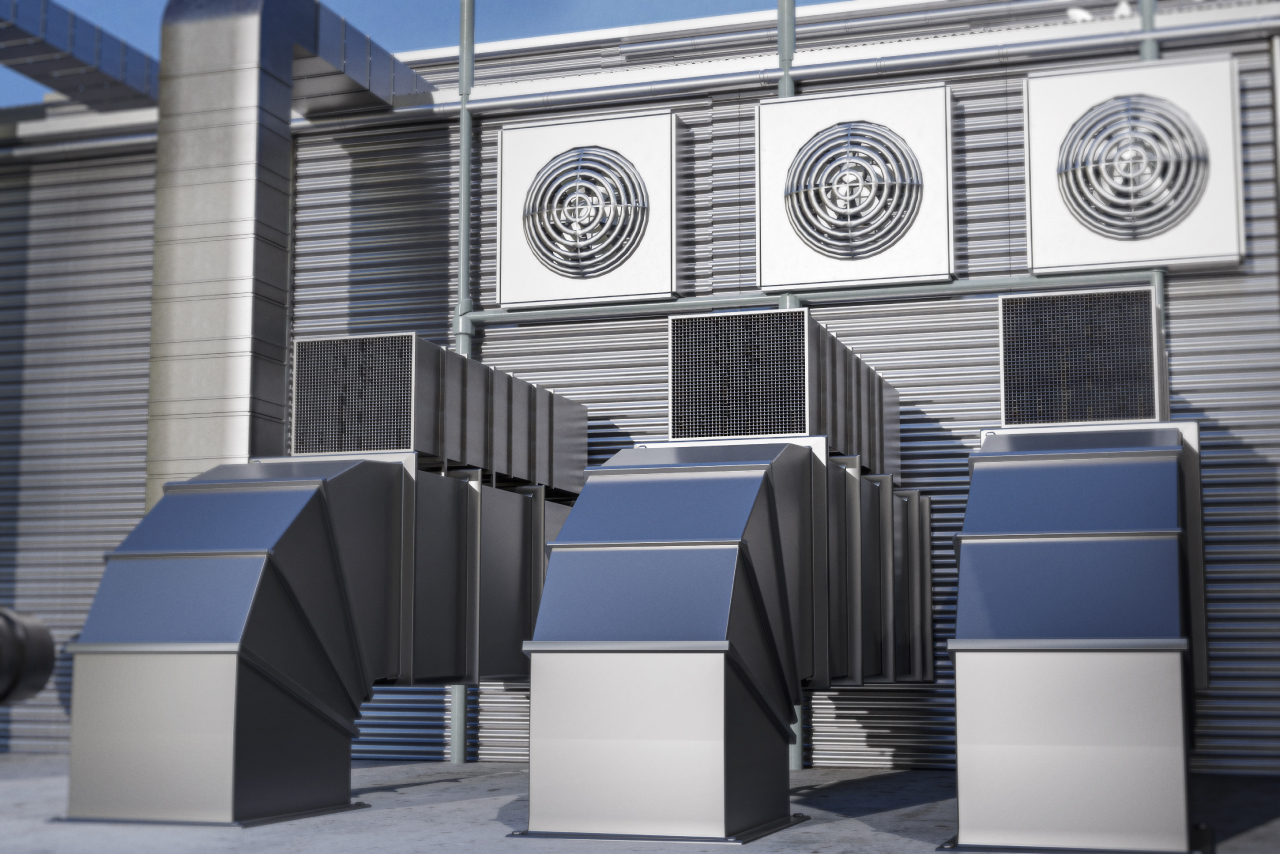
Achieve project success by focusing on these final, crucial steps.
Commissioning and Handover Planning
Commissioning is about ensuring that all systems work as intended before the handover. Plan meticulously for this phase to catch any discrepancies early. A detailed commissioning plan outlines all testing procedures, ensuring every component functions properly. A smooth handover process includes comprehensive documentation and training for facility managers, ensuring a seamless transition to operations.
Sustainability and Green Building Standards
Incorporating sustainability into your project not only meets regulatory requirements but also adds long-term value. Adhering to standards like the Dubai Green Building Regulations and Estidama Pearl rating ensures your project is environmentally responsible. These standards focus on energy efficiency, water conservation, and sustainable material use, contributing to a healthier environment and lower operational costs.
Mobilization and Site Logistics
Effective mobilization and site logistics are the final steps to getting your project off the ground. This involves setting up the site, organizing materials, and coordinating equipment and labor. Efficient logistics minimize waste and optimize resource use, ensuring that your project progresses smoothly. Proper planning in this phase sets the tone for the entire construction process, helping you avoid costly delays and disruptions.
Frequently Asked Questions
What are the main authority approvals required for construction in the UAE?
You need to secure approvals from entities like DEWA, Dubai Municipality, and DCD. These cover building permits, utility connections, and ensure compliance with local standards.
How does BIM help in construction projects?
BIM integrates various design aspects into one model, improving accuracy and communication among teams. It helps identify potential design clashes early, saving time and costs.
Why is a QA/QC plan important in construction?
A QA/QC plan ensures that construction standards are maintained throughout the project, preventing defects and ensuring quality. Regular audits catch issues early, safeguarding project timelines.
What should be included in a commissioning plan?
A commissioning plan includes all testing procedures to ensure systems function as intended. It should cover documentation and training for facility managers to ensure a smooth operational transition.
How do sustainability standards impact construction projects?
Sustainability standards like the Dubai Green Building Regulations focus on energy efficiency and water conservation. They enhance environmental responsibility and can reduce long-term operational costs.