
Why Fire-Fighting System Planning Is Essential for Compliant Building Design in the UAE
Fire-fighting system planning is not a step to skip in UAE building design. Without early planning, projects risk costly delays and missed Dubai Civil Defence approval deadlines. Getting it right protects lives, secures authority approvals, and controls costs from concept through testing and commissioning. Here’s why integrating fire-fighting system planning from day one safeguards your project and speeds delivery with FirstWay’s expert guidance. For more insights, visit this article.
Importance of Fire-Fighting System Planning

Planning your fire-fighting system early is crucial to ensure project success. Let’s explore why this process is vital for safe, compliant, and cost-effective building designs.
Ensuring Life Safety Compliance
Your primary goal is to protect lives. Every building must adhere to the UAE Fire and Life Safety Code. This ensures that occupants have sufficient time to evacuate in emergencies. Avoiding shortcuts here could endanger lives and result in legal trouble.
Life safety measures involve more than just installing alarms. You need a well-thought-out sprinkler system design, especially in high-risk areas. Consider hydraulic calculations to ensure water flows efficiently where needed. Remember, these systems aren’t just about compliance; they’re about saving lives.
Securing Civil Defence Approvals
Navigating authority approvals can be daunting, but it’s a non-negotiable part of the process. Both Dubai Civil Defence approval and Abu Dhabi Civil Defence approval are crucial for your project’s progression. Missing these can result in costly delays.
Approvals require meticulous planning. Your designs must reflect codes such as NFPA 13 and NFPA 14. Incorporating UL/FM listed equipment is also a necessity. The key is to get it right the first time, avoiding back-and-forth adjustments that waste time and resources.
Protecting Assets and Reducing Costs
Proper planning saves money in the long run. Think about the assets housed within your building. A robust fire-fighting system protects these investments from damage. Without it, you risk losing millions in assets and facing downtime that could cripple your business.
Early integration of a fire pump room design or a standpipe system minimizes retrofits later. The initial investment into these systems pays off by preventing potential losses. Plus, early planning helps you manage budgets effectively, keeping costs in check from concept to completion.
Key Elements of Fire-Fighting Systems
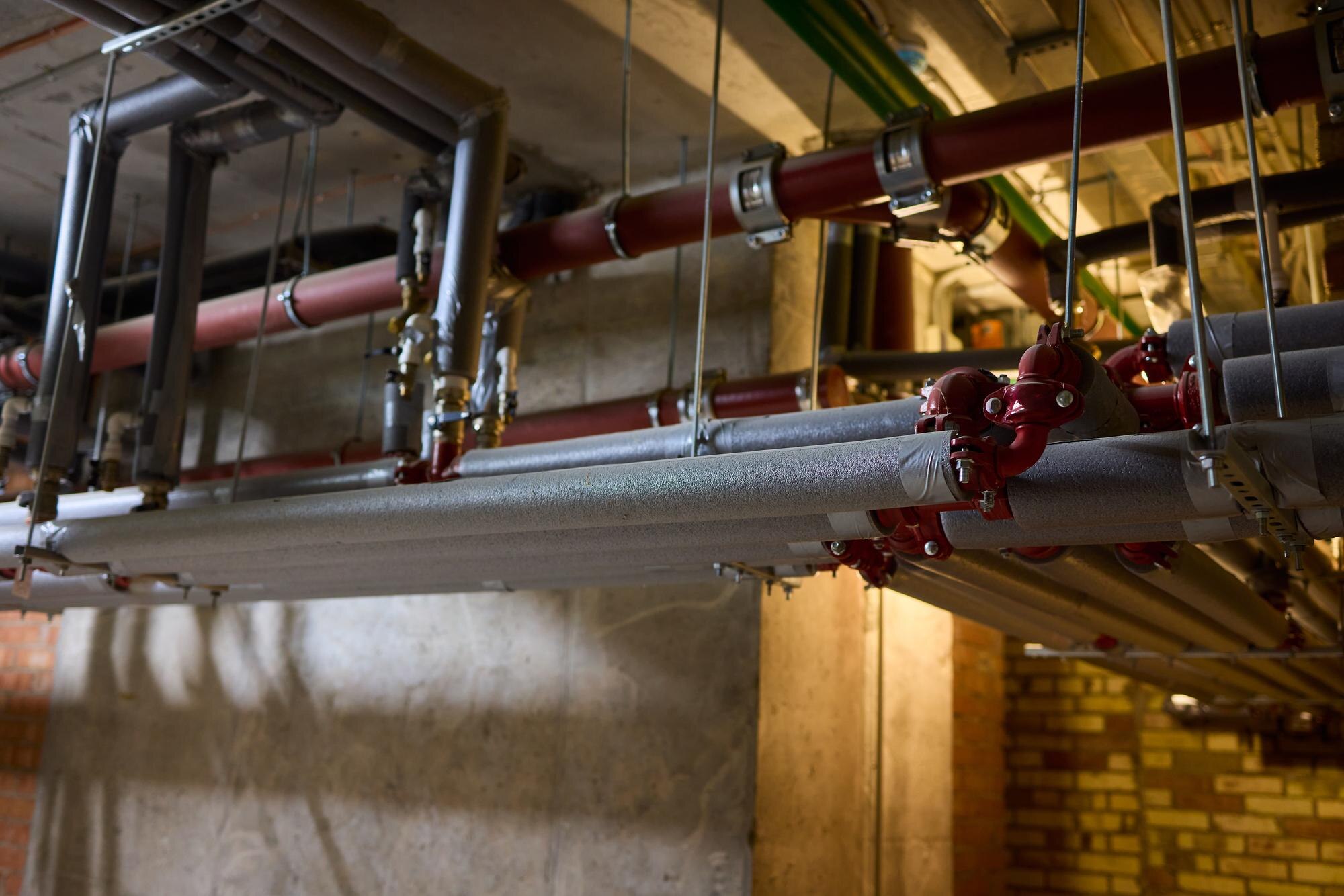
Understanding the components of a fire-fighting system is the next step. Each element plays a critical role in overall safety and compliance.
Comprehensive Sprinkler System Design
Sprinkler systems are your first line of defense. A well-rounded design considers building layout, occupancy type, and risk areas. These systems must comply with NFPA 13 standards, ensuring optimal coverage.
Think about the placement of sprinklers. They need to be strategically located to cover all areas, particularly high-risk zones. You may also need specialized systems for unique architectural features. Regular inspections and maintenance are vital to keeping these systems operational, providing peace of mind that they will work when needed.
Smoke Control and Pressurization
Smoke poses a significant threat during fires. Effective smoke control systems prevent it from spreading, giving occupants a safe path to evacuate. These systems include pressurization techniques that keep smoke in check.
Pressurization involves creating higher air pressure in stairwells and escape routes. This prevents smoke from infiltrating these areas, ensuring clear exits. Regular testing of these systems is crucial to confirm they function under real conditions, providing reliable safety when it matters most.
Clean Agent Systems: FM-200 and Novec 1230
In some environments, water isn’t suitable for fire suppression. That’s where clean agent systems come into play. These include agents like FM-200 and Novec 1230, which are ideal for protecting sensitive equipment.
These agents work by disrupting the chemical reaction of a fire, putting it out without damaging your assets. They’re especially useful in data centers and other tech-heavy environments. Choosing the right agent depends on your specific needs. Consider factors like the type of materials and the layout of the space.
Benefits of Early Planning and Integration

Starting your fire protection planning early has numerous advantages. It sets the stage for a smooth project from start to finish.
Accelerating Project Delivery
Early planning means faster project completion. By addressing fire protection needs early, you avoid project delays. This proactive approach keeps your timeline on track, ensuring project goals are met as scheduled.
Addressing fire protection needs upfront also helps in securing all necessary approvals quickly. With everything in place, there’s less chance of running into unexpected issues that stall progress. This efficiency not only saves time but also helps keep costs down by avoiding last-minute changes.
Effective BIM MEP Coordination
BIM MEP coordination is essential for seamless integration. It ensures that all mechanical, electrical, and plumbing systems work together without conflict. This coordination is crucial for identifying potential clashes early on.
By utilizing shop drawings and submissions, you create a clear visual of the entire system layout. This helps in detecting and resolving any design issues before construction begins, reducing the risk of costly modifications later. A well-coordinated plan leads to smoother, more efficient execution on the ground.
Streamlined Testing and Commissioning Process
A streamlined testing process is the reward for meticulous planning. With everything set up correctly from the start, testing and commissioning (T&C) become straightforward. This phase confirms that all systems function as intended.
During T&C, systems are put through real-world scenarios to ensure reliability. This step is critical in highlighting any areas that need adjustment. A thorough testing process assures all stakeholders that the building is ready and safe for occupancy, enhancing your reputation for quality and reliability.
By integrating these strategies early, you’re setting your project up for success. The benefits extend beyond compliance, creating a safer, more efficient building that stands the test of time.