
The Critical Role of Extra Low Voltage (ELV) Systems in Modern UAE Construction
Extra low voltage systems UAE have become a cornerstone in modern construction, yet many projects overlook their true impact. Your building’s safety, connectivity, and control depend on precise ELV integration with MEP systems. This post reveals how expert ELV design and installation safeguard assets while boosting operational performance. Keep reading to understand why FirstWay stands out as the trusted ELV contractor Dubai projects demand. For more insights, visit here.
The Importance of ELV Systems
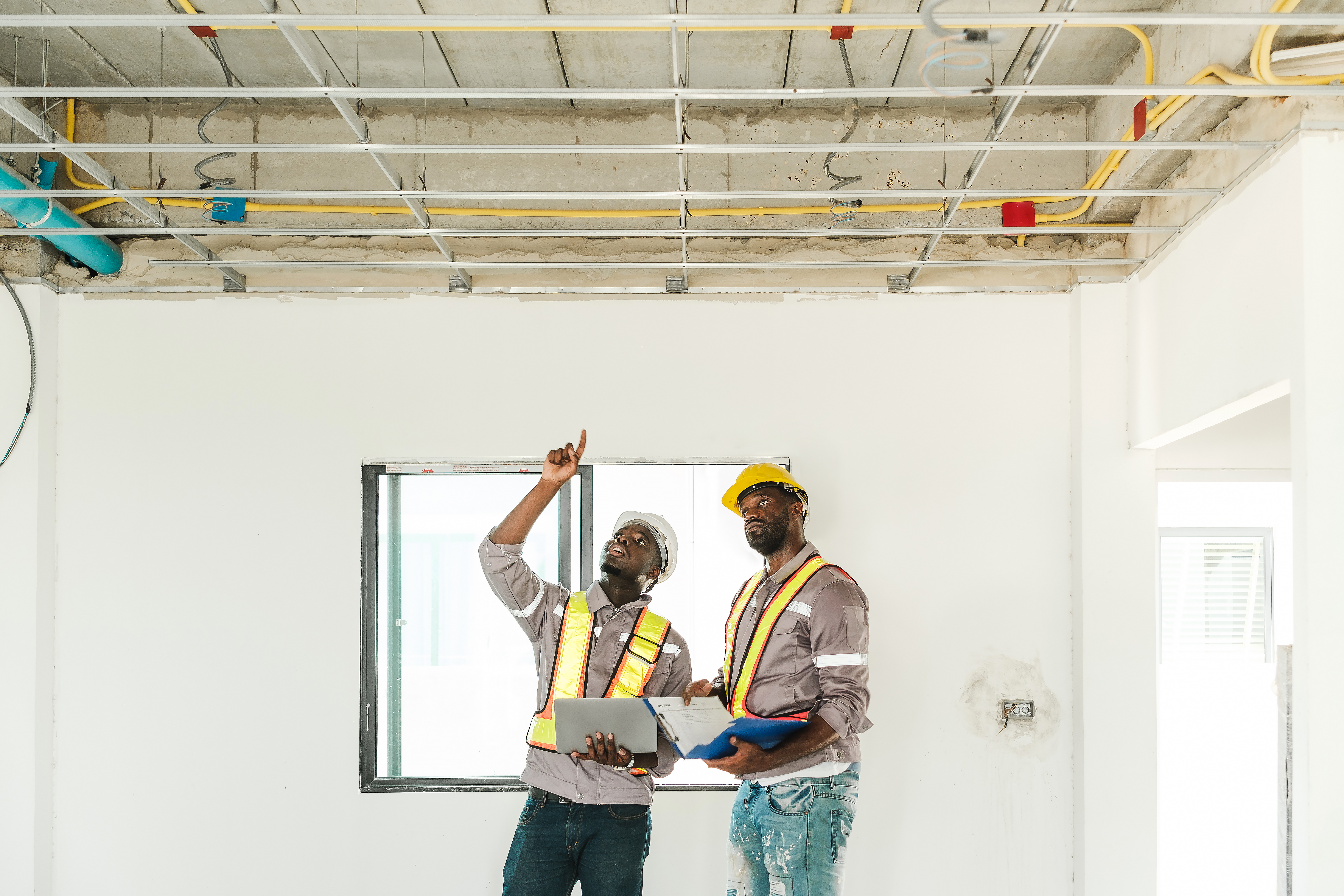
ELV systems are essential to the modern construction landscape. They ensure that buildings are not only safe but also connected and efficient. Let’s explore how these systems make a difference.
Enhancing Safety in Construction
Safety is a primary concern in any construction project. ELV systems, like fire alarms and access controls, play a vital role in maintaining secure environments. These systems are designed to detect and respond to potential hazards quickly.
For example, fire alarm integration can alert occupants and initiate evacuation protocols immediately, reducing risks and preventing damage. Access control systems restrict entry to sensitive areas, ensuring that only authorized personnel have access. By installing these systems, you can protect both people and property.
Most people think traditional security measures are enough, but integrating ELV systems offers superior protection. The longer you wait to implement these systems, the more you risk safety and security.
Boosting Efficiency and Connectivity
ELV systems do more than just enhance safety; they also improve the operational efficiency of buildings. Systems like structured cabling enable seamless data and communication network setups. This ensures that your building is wired for optimal performance.
Efficient data networks mean faster internet and better connectivity for all users. Imagine a world where your smart devices communicate effortlessly, thanks to these well-integrated systems. This is not just about convenience; it’s about creating an environment where technology enhances daily operations.
Many assume these systems are costly and complex. However, with the right planning and installation, they bring immediate benefits and long-term savings.
Key ELV Systems in UAE Construction
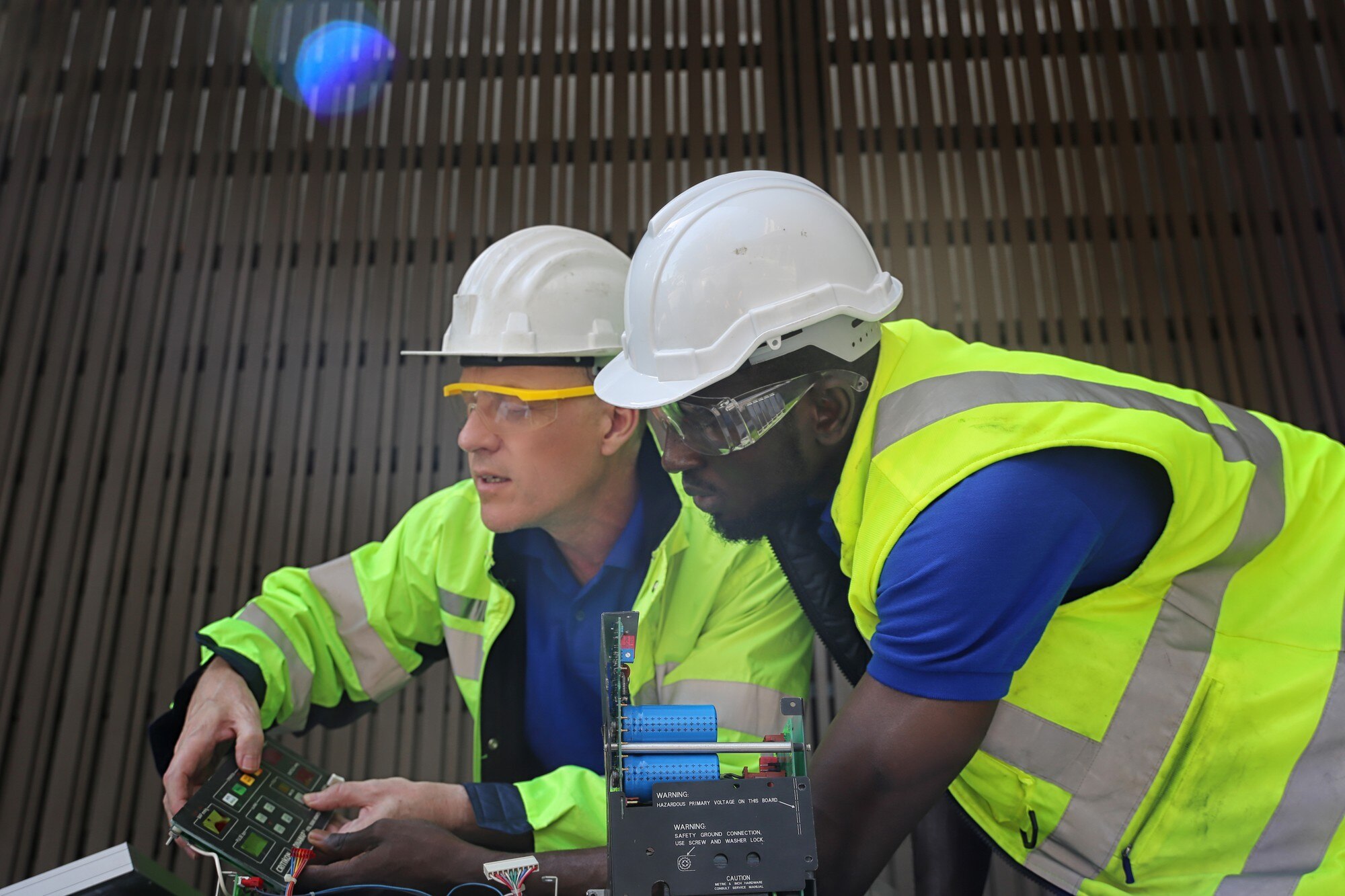
In the UAE, various ELV systems are integral to successful construction projects. They are the backbone of modern infrastructure, supporting everything from data networks to security compliance.
Structured Cabling and Data Networks
Structured cabling forms the infrastructure backbone, supporting voice, data, and multimedia systems. Utilizing CAT6 and CAT7 cabling, these systems ensure reliable and high-speed data transmission. They are crucial for businesses relying on robust internet connections and communication networks.
A well-designed cabling system simplifies upgrades and maintenance. This means fewer disruptions to daily operations, saving time and resources. Investing in structured cabling today sets the foundation for future technological advancements.
Some believe wireless solutions are the way forward. Yet, structured cabling remains the most dependable choice for fast, secure data transmission in large buildings.
CCTV, Access Control, and SIRA Compliance
Security technologies are indispensable in safeguarding assets and ensuring compliance. CCTV systems offer 24/7 surveillance, acting as both deterrents and evidence gatherers. Coupling these with access control systems provides a comprehensive security solution.
Adhering to SIRA compliance is crucial in the UAE for legal operation and peace of mind. These standards ensure your security systems are up to date and effective. By meeting SIRA requirements, you demonstrate a commitment to safety and regulatory compliance.
Most businesses view security as an afterthought. However, integrating these systems from the start ensures you are protected from day one.
Fire Alarm Integration and PAVA Systems
Fire alarm systems are critical for detecting and responding to fires early. They are often integrated with PAVA systems to provide clear evacuation instructions, minimizing panic and confusion during emergencies.
Early detection saves lives and reduces property damage. A robust fire alarm system ensures that everyone in the building is promptly alerted in case of fire. PAVA systems enhance this by delivering real-time announcements, guiding occupants to safety.
Some think small fire extinguishers are enough, but comprehensive fire alarm systems offer unmatched protection and response capabilities.
Successful ELV Integration Strategies
Integrating ELV systems requires careful planning and coordination. When done right, it leads to cohesive and efficient building operations.
Coordinating with MEP Systems
Effective ELV integration with MEP systems ensures that all building systems work in harmony. This coordination minimizes conflicts and maximizes performance. Planning from the design stage guarantees smooth installation and operation.
By aligning ELV and MEP systems, you reduce redundancies and enhance system efficiency. This not only saves costs but also streamlines maintenance. The integration allows for centralized management, simplifying control and monitoring.
Many believe MEP and ELV are separate, but integration is essential for maximizing building performance.
Smart Building Automation and IoT
Embrace technology with smart building automation and IoT. These systems offer enhanced control over various building functions. From lighting to HVAC, automation ensures optimal energy use and comfort.
IoT connects devices, providing real-time data and insights. This allows for proactive management and energy savings. Automating building systems leads to improved efficiency and occupant satisfaction.
Some think automation is futuristic, but it’s the present. Smart systems are transforming how buildings operate today.
Energy Management and Sustainability
Energy management systems are crucial for sustainable building operations. They monitor energy usage, identifying areas for improvement and cost reduction. By integrating these systems, you contribute to a more sustainable future.
Sustainability is not just a trend; it’s a necessity. With energy management, you reduce carbon footprints and operating costs. These systems support compliance with standards like Estidama and LEED.
While many see sustainability as optional, it’s essential for responsible building management and long-term success.