
Before You Build: Key UAE Civil Construction Considerations
Starting a civil construction project in the UAE involves more than just breaking ground. You must navigate complex UAE construction regulations, secure multiple authority approvals, and manage risk from day one. This guide outlines essential pre-construction steps—from geotechnical investigation to value engineering—to help you plan with confidence and avoid costly delays. Send your drawings or brief for a free pre-construction review and align scope, budget, and approvals with FirstWay’s expert team. For further insights on setting up construction projects, you can also explore this guide.
Essential Pre-Construction Steps

Starting a construction project in the UAE requires careful planning and a solid understanding of the local landscape. Here’s where you should begin:
Understanding UAE Construction Regulations
Navigating the UAE’s building rules can be tricky, but it’s crucial to get it right. These rules are in place to make sure every project is safe and up to standard. You need to know these rules before starting your project to avoid any setbacks. Keep in mind that each emirate might have its unique guidelines, so it’s important to stay updated. For a deeper dive into UAE construction regulations, check out this resource.
Importance of Geotechnical Investigation
Before any construction, knowing what’s beneath the surface is essential. A geotechnical investigation tells you about the soil and ground conditions of your site. This step is vital because it influences the design and construction methods you’ll use. Skipping this can lead to unexpected problems and costs. By understanding the land early, you can plan better and avoid issues like shifting foundations or structural damage.
Conducting a Pre-Construction Checklist
A checklist ensures nothing is overlooked in the initial phases. It includes everything from securing permits to assessing site conditions. This list helps you stay organized and ensures all critical tasks are completed before construction begins. By being thorough, you can prevent delays and ensure a smooth project launch. This proactive approach is key to managing your project efficiently from the start.
Navigating Authority Approvals

With a solid foundation in place, the next step is gaining the necessary approvals. Each approval is a milestone that brings your project closer to reality.
Securing Dubai Municipality Approvals
Securing approvals from the Dubai Municipality is a significant step. This authority ensures your project aligns with local standards and regulations. The approval process can be detailed, requiring various documents and compliance checks. It’s crucial to work closely with experts who can guide you through the paperwork and requirements efficiently. Proper guidance minimizes the risk of delays and keeps your project on track.
Obtaining DDA, Trakhees, DEWA NOCs
In addition to the municipality, you’ll need approvals from other entities like DDA, Trakhees, and DEWA. Each authority has its specific requirements and processes. Obtaining these NOCs is necessary to ensure your project is legally compliant. Working with experienced professionals can streamline this process, helping you meet all local requirements and move forward smoothly. For more details, this site offers insights into managing these approvals.
Ensuring Compliance with UAE Fire Code
Safety is a priority, and adhering to the UAE Fire Code is non-negotiable. This code ensures that your project meets the necessary fire safety standards, protecting both the structure and its future occupants. Compliance involves detailed planning and the integration of safety measures from the outset. It’s essential to work with specialists who can ensure that all safety standards are met, avoiding future liabilities.
Integrating Smart and Sustainable Solutions
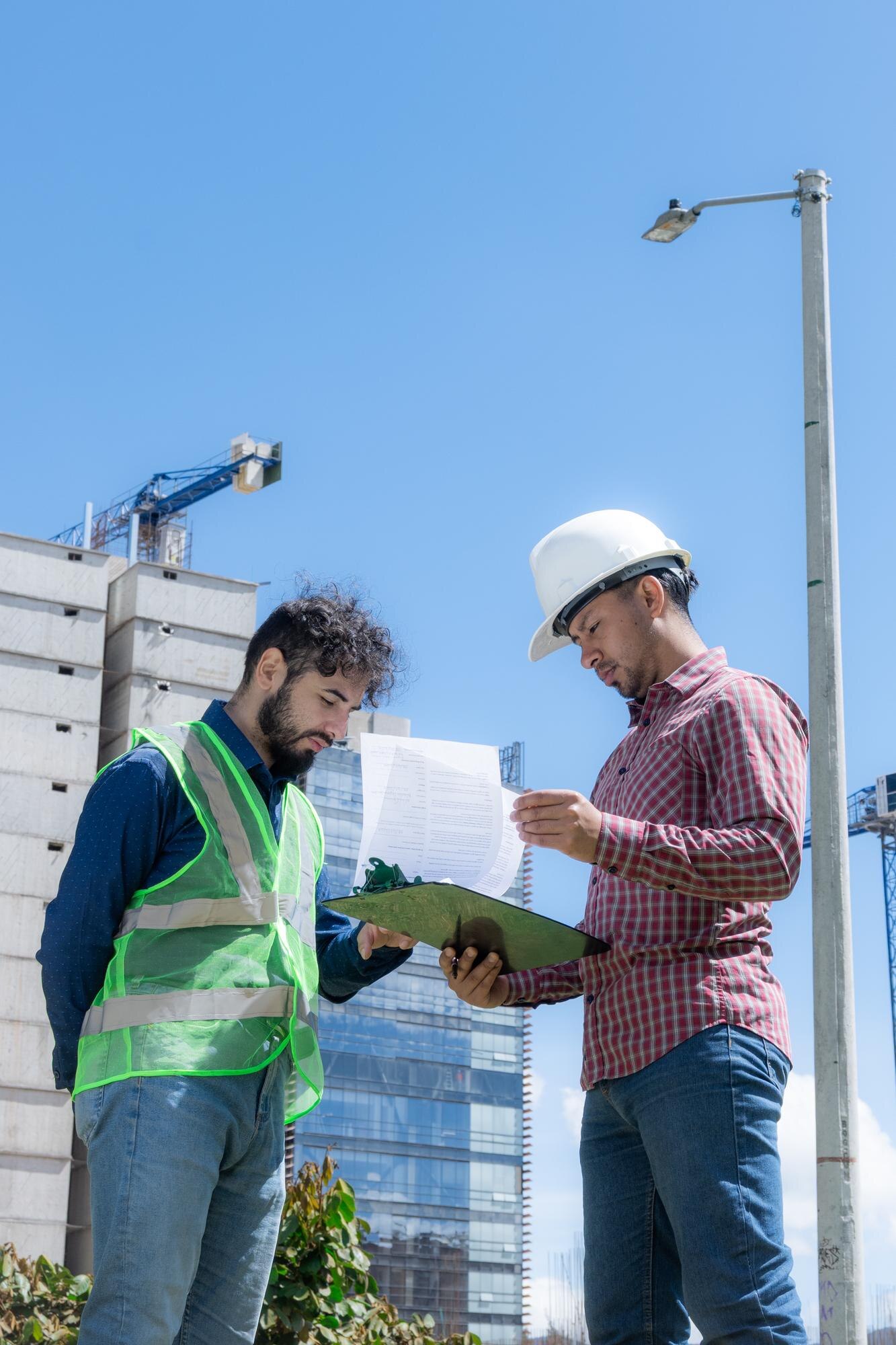
Modern projects benefit from innovation and sustainability, setting a benchmark for future developments.
Embracing Smart Building Automation
Smart automation transforms how buildings operate, offering efficiency and control. Integrating these systems can enhance comfort, reduce energy use, and offer better management capabilities. These systems allow for real-time adjustments and monitoring, leading to cost savings and increased safety. As technology evolves, smart buildings represent the future of the construction industry.
Implementing Dubai Green Building Regulations
Sustainability is more than a trend; it’s a necessity. Adhering to Dubai’s Green Building Regulations ensures your project is environmentally responsible. These regulations encourage the use of sustainable materials and energy-efficient practices. By prioritizing these aspects, you not only comply with local laws but also contribute positively to the environment. This approach can also lead to long-term savings and improved project value.
Strategies for Sustainable Construction UAE
Going green involves more than just following rules. It’s about adopting best practices that benefit both your project and the environment. Strategies include using renewable materials, optimizing waste management, and implementing energy-efficient systems. These sustainable methods can reduce costs and enhance the project’s appeal to eco-conscious clients. Embracing sustainability demonstrates a commitment to innovation and responsibility.
In conclusion, thorough planning, understanding regulations, and embracing smart, sustainable practices are key to a successful construction project in the UAE. By focusing on these essential steps, you lay a strong foundation for your project’s success.