
Key Considerations Before Starting a Civil Construction Project in the UAE
Starting a civil construction project in the UAE demands more than just a blueprint and budget. Overlooking key factors like authority approvals UAE, construction permits UAE, and MEP contracting UAE can derail your timeline and inflate costs. In this post, you’ll get a clear pre-construction checklist to navigate regulatory hurdles, technical challenges, and scheduling complexities with confidence. Keep reading to learn how FirstWay’s integrated expertise can streamline your project from concept to completion. Learn more.
Understanding Regulatory Requirements
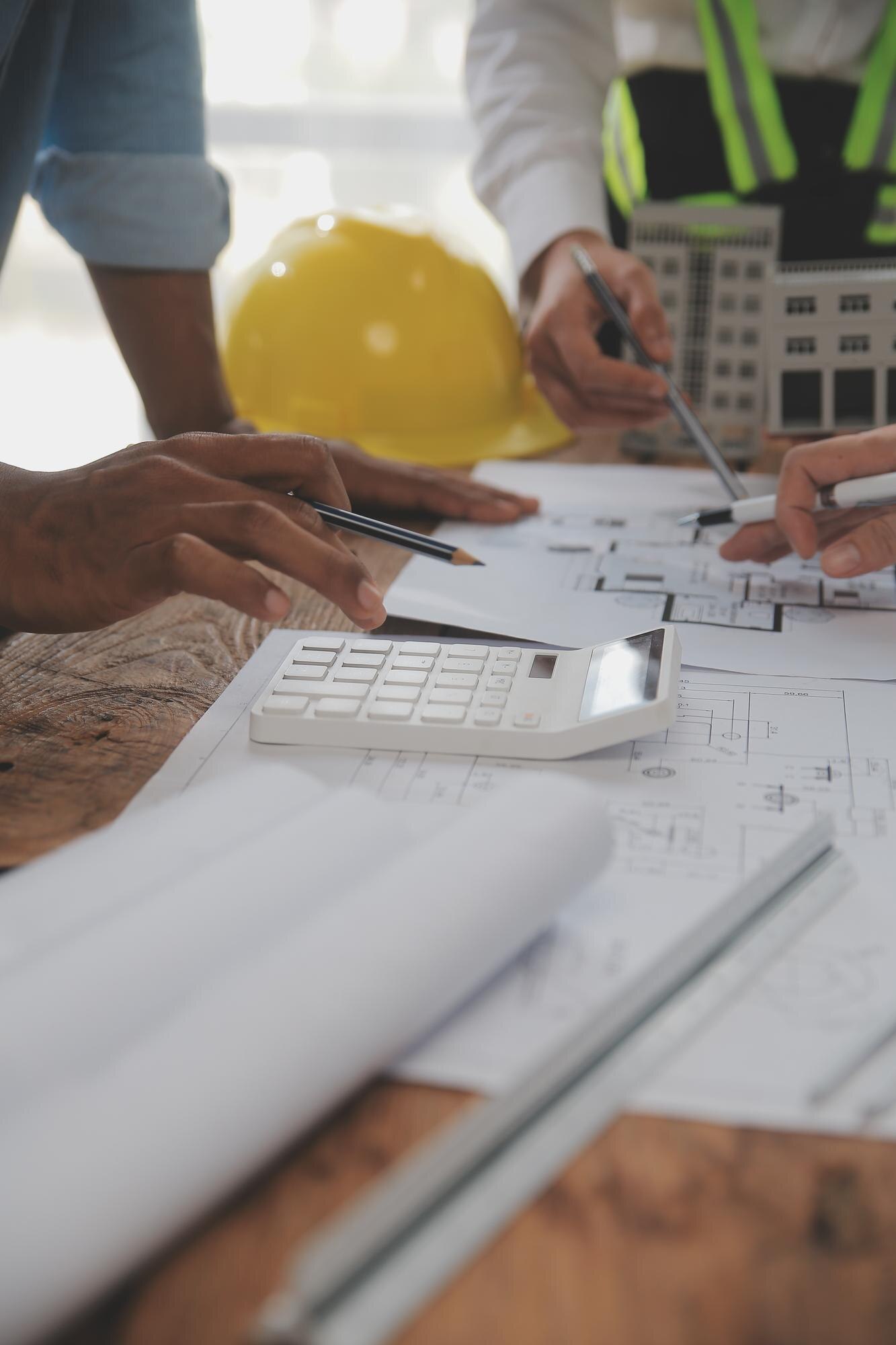
Planning for a civil construction project in the UAE involves understanding various regulatory requirements. Getting these approvals can be daunting but essential for a smooth process.
Navigating Authority Approvals UAE
When starting a project, your first step involves securing the necessary authority approvals. These approvals ensure your project meets local regulations. Without them, you might face delays or fines. Begin by identifying which authority handles your type of project. For instance, if you’re working in Dubai, you might need to coordinate with specific municipal bodies. This step is crucial for keeping your project on track and avoiding costly errors. For more insights on this process, check out this guide.
Dubai Municipality and Civil Defense
In Dubai, the Municipality and Civil Defense are key players. They oversee building codes and safety standards. Getting their approvals is mandatory. These bodies ensure that your project adheres to safety norms. Applying for these approvals might seem intimidating, but understanding their requirements can simplify the process. Keep in mind the importance of compliance to prevent potential roadblocks.
Abu Dhabi Civil Defense and DMT
In Abu Dhabi, approvals from the Civil Defense and the Department of Municipalities and Transport (DMT) are critical. They focus on fire safety and structural integrity. These departments ensure your project aligns with city plans and safety guidelines. Start by gathering all necessary documents and plans. This preparation can ease the approval process and set your project up for success.
Technical and Design Considerations

Once you have regulatory approvals, focus on the technical aspects and design of your project. This stage is crucial for turning your plans into reality.
Importance of BIM Coordination
Building Information Modeling (BIM) is a game-changer. It enhances project visualization and coordination. With BIM, you can foresee potential issues and resolve them before they become problems. This tool saves time and money by improving accuracy and reducing errors. Implementing BIM helps streamline your construction process and ensures better collaboration among teams. It’s about working smarter, not harder.
Value Engineering for Efficient Designs
Value engineering focuses on maximizing function while minimizing costs. By analyzing a project’s design, you can identify areas to improve without sacrificing quality. This process often results in savings and improved functionality. Consider this strategy to enhance your project’s efficiency and cost-effectiveness. It’s a smart way to ensure you’re getting the most out of your investment.
HVAC, Electrical, and Plumbing Essentials
Your project’s success relies on well-integrated systems, including HVAC, electrical, and plumbing. Proper installation is vital for operational efficiency. These systems must work together seamlessly to provide comfort and convenience. Prioritize quality and precision in these areas to ensure they meet both performance standards and client expectations. Mistakes here can lead to costly repairs and delays.
Budget and Scheduling Strategies
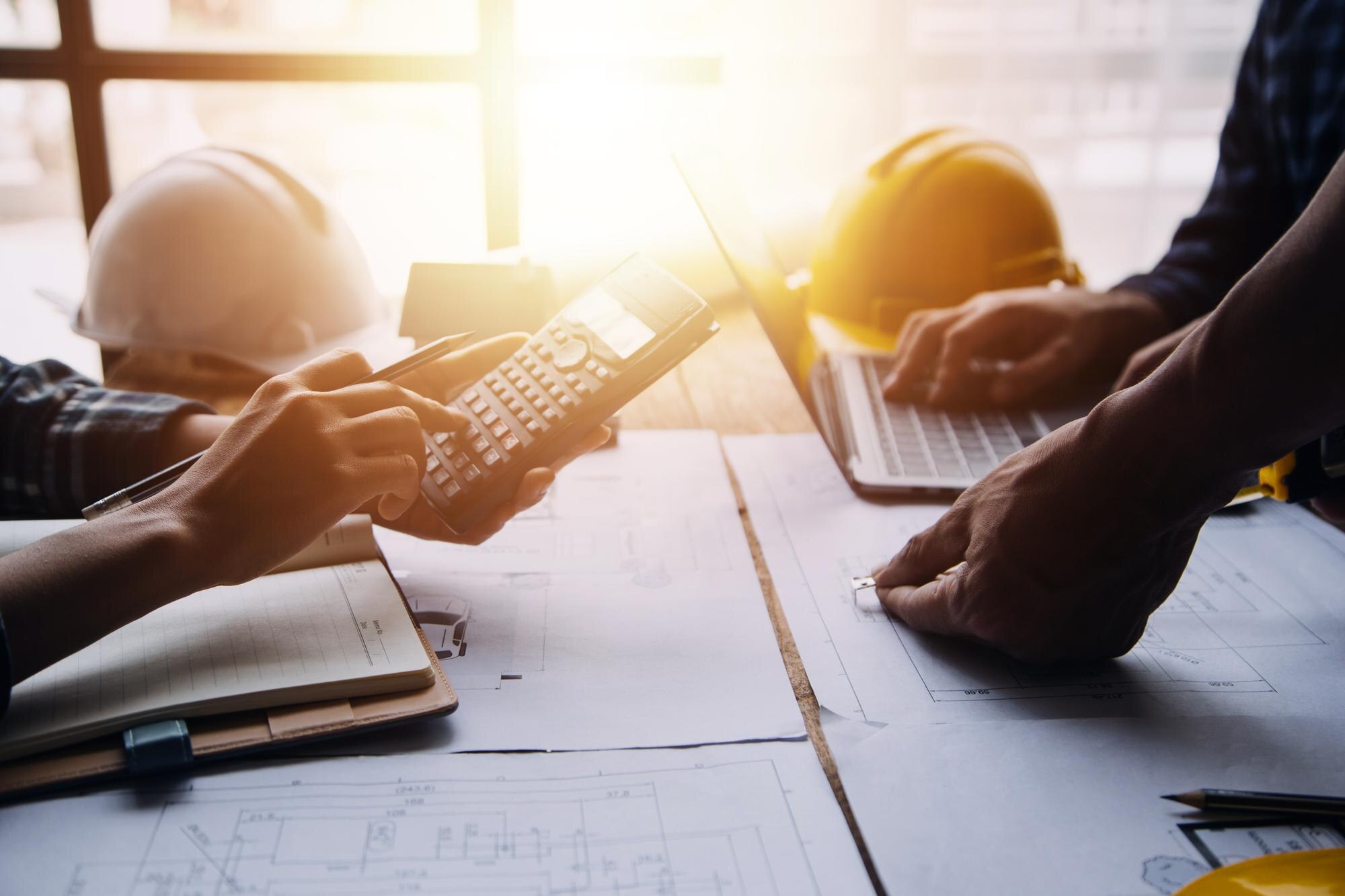
With technical details in check, it’s time to dive into budgeting and scheduling. This step ensures your project stays financially viable and on time.
Creating a Pre-Construction Checklist
A pre-construction checklist is your roadmap. It outlines every step needed before breaking ground. From securing permits to finalizing designs, this checklist ensures nothing is overlooked. It’s a tool to keep your project organized and on track. Use it as a guide to navigate the complexities of construction planning.
Managing Construction Permits UAE
Navigating construction permits in the UAE is no small task. Each region has its own set of requirements. Understanding these permits is crucial to avoid project delays. Start early and consult with experts to ensure compliance. Managing this process effectively secures the legal foundation for your project. For more specific insights, explore this resource.
Utilizing FIDIC Contracts UAE
FIDIC contracts provide a framework for managing construction projects. These contracts offer clarity and consistency in project management. They help define roles, responsibilities, and expectations. Utilizing FIDIC contracts helps prevent disputes and ensures your project runs smoothly. It’s a strategic move to safeguard your investment and maintain clear communication among all parties involved.
By understanding these aspects, you’re well on your way to a successful project. Remember, preparation and knowledge are your best tools in navigating the construction landscape in the UAE.