
Emerging HVAC Trends Driving Comfort and Efficiency in UAE Projects
Forget the old assumptions about HVAC UAE systems. Your building’s comfort and energy costs hinge on the latest technologies shaping MEP contracting today. From VRF systems to smart BMS and low-GWP refrigerants like R32 and R1234ze, these trends redefine how projects meet Dubai Green Building Regulations and Estidama compliance. Keep reading to explore how FirstWay delivers tailored HVAC solutions that boost comfort, cut energy use, and secure your project’s future. For more insights, check out this article.
Cutting-Edge HVAC Technologies
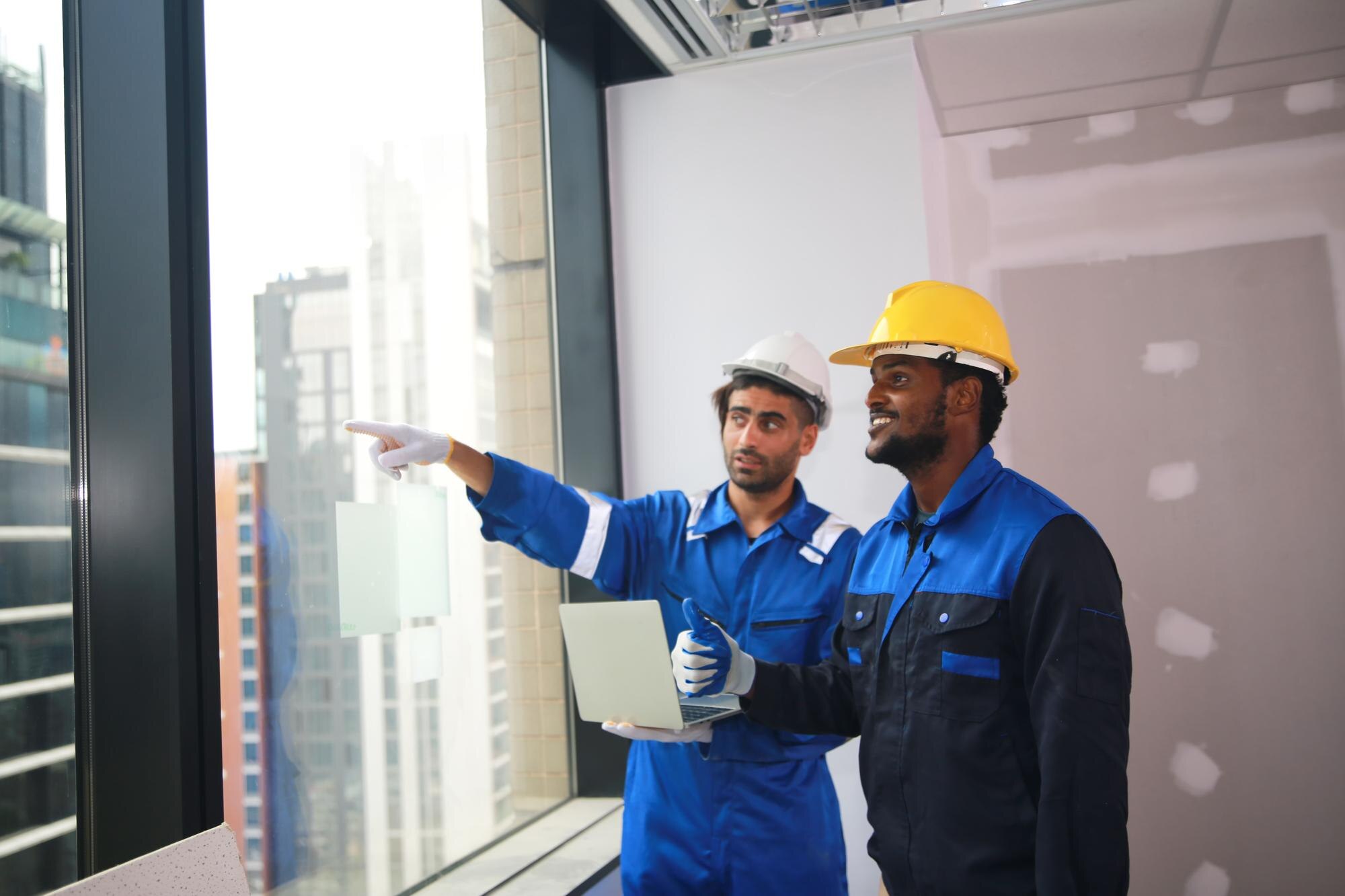
To enhance comfort and efficiency, new HVAC technologies are taking center stage. These innovations promise to transform your building experience.
VRF and Chilled Water Systems
Variable Refrigerant Flow (VRF) systems are redefining how you manage indoor temperatures. Unlike traditional setups, VRF systems offer precise control and energy savings. Imagine your building with zones that adjust heating and cooling based on need, cutting energy use and boosting comfort. Studies show VRF systems can reduce energy consumption by up to 30%. This makes them an ideal choice for improving efficiency in both residential and commercial spaces.
Chilled water systems complement VRF technology by efficiently cooling large areas. They are perfect for environments like malls or office complexes where maintaining consistent temperatures is crucial. These systems use a central cooling plant, distributing chilled water throughout the building. The result: a reliable and regulated climate that supports comfort and productivity.
Smart BMS and IoT Automation
Smart Building Management Systems (BMS) integrate IoT technologies to streamline your HVAC operations. With smart BMS, you can monitor and control systems remotely, optimizing performance and energy use. Picture being able to adjust your building’s HVAC settings from your smartphone with ease, ensuring comfort and efficiency are just a tap away.
IoT sensors collect data on temperature, humidity, and occupancy, feeding this information into the BMS. This data helps predict HVAC needs, adjusting operations automatically for optimal performance. The result is not just energy savings but also a major boost in operational convenience.
Heat Recovery and IAQ Upgrades
Improving indoor air quality (IAQ) is vital for health and comfort. Heat recovery systems capture waste heat, using it to warm incoming fresh air. This system not only saves on heating costs but also maintains a steady flow of fresh, clean air throughout your building.
Upgrading your IAQ can have a notable impact on occupant health and productivity. Enhanced filtration systems reduce pollutants and allergens, making the indoor environment healthier. Did you know that quality air can boost cognitive performance by 10%? That’s a compelling reason to invest in IAQ upgrades.
For more about the trends shaping the UAE’s construction market, explore this report.
Energy Efficiency and Compliance
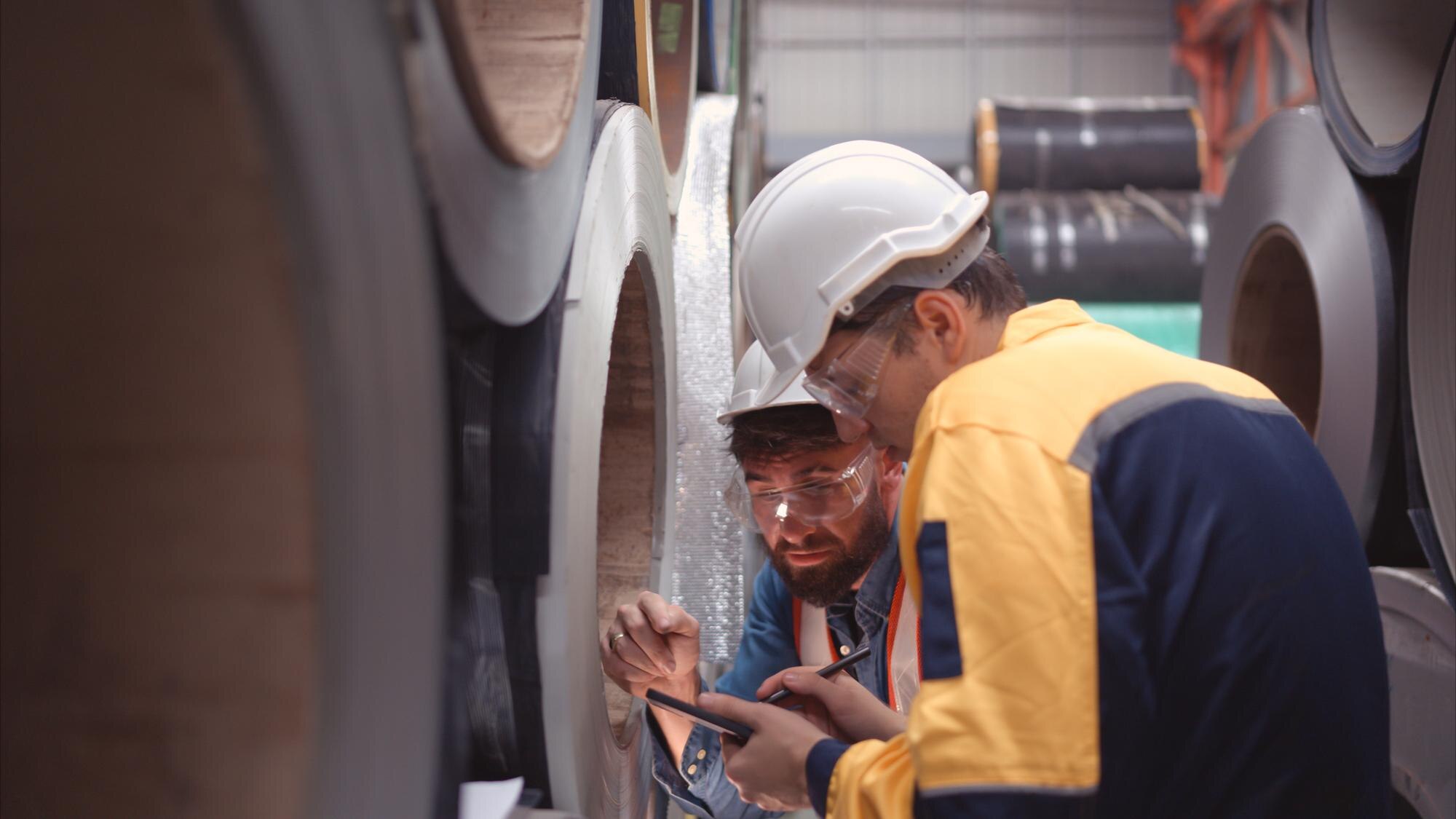
Achieving energy efficiency is more than a trend; it’s a necessity. Let’s explore how you can meet regulatory standards and save on energy bills.
Demand-Controlled Ventilation
Demand-controlled ventilation adjusts airflow based on occupancy, reducing energy waste. Picture a conference room that only cools when in use. Sensors detect when the room is occupied, adjusting ventilation accordingly. This targeted approach cuts down on unnecessary energy use, making your building more sustainable.
Implementing demand-controlled systems can lower HVAC costs by 20%, while also improving indoor air quality. This approach is a smart way to align with energy-saving goals and environmental regulations.
Estidama and Dubai Green Building
Meeting Estidama and Dubai Green Building standards is crucial in the UAE. These regulations promote sustainable building practices, aiming for reduced energy consumption and environmental impact. With FirstWay, your projects can easily align with these standards, ensuring compliance and sustainability.
Energy-efficient HVAC systems are vital in achieving these goals. By incorporating smart technologies and efficient systems, you can reduce your carbon footprint, contributing to a greener future. For a deeper dive into the UAE’s HVAC market trends, check out this analysis.
Low-GWP Refrigerants and Thermal Storage
Using low-GWP refrigerants like R32 and R1234ze is key to reducing environmental impact. These refrigerants offer high performance with low environmental cost, making them a preferred choice for modern HVAC systems.
Thermal storage systems complement low-GWP refrigerants by storing energy when demand is low and releasing it during peak times. This method balances energy use, further enhancing efficiency. By adopting these technologies, you’re not just saving energy but also future-proofing your building against upcoming regulations.
Future-Proofing with Predictive Maintenance
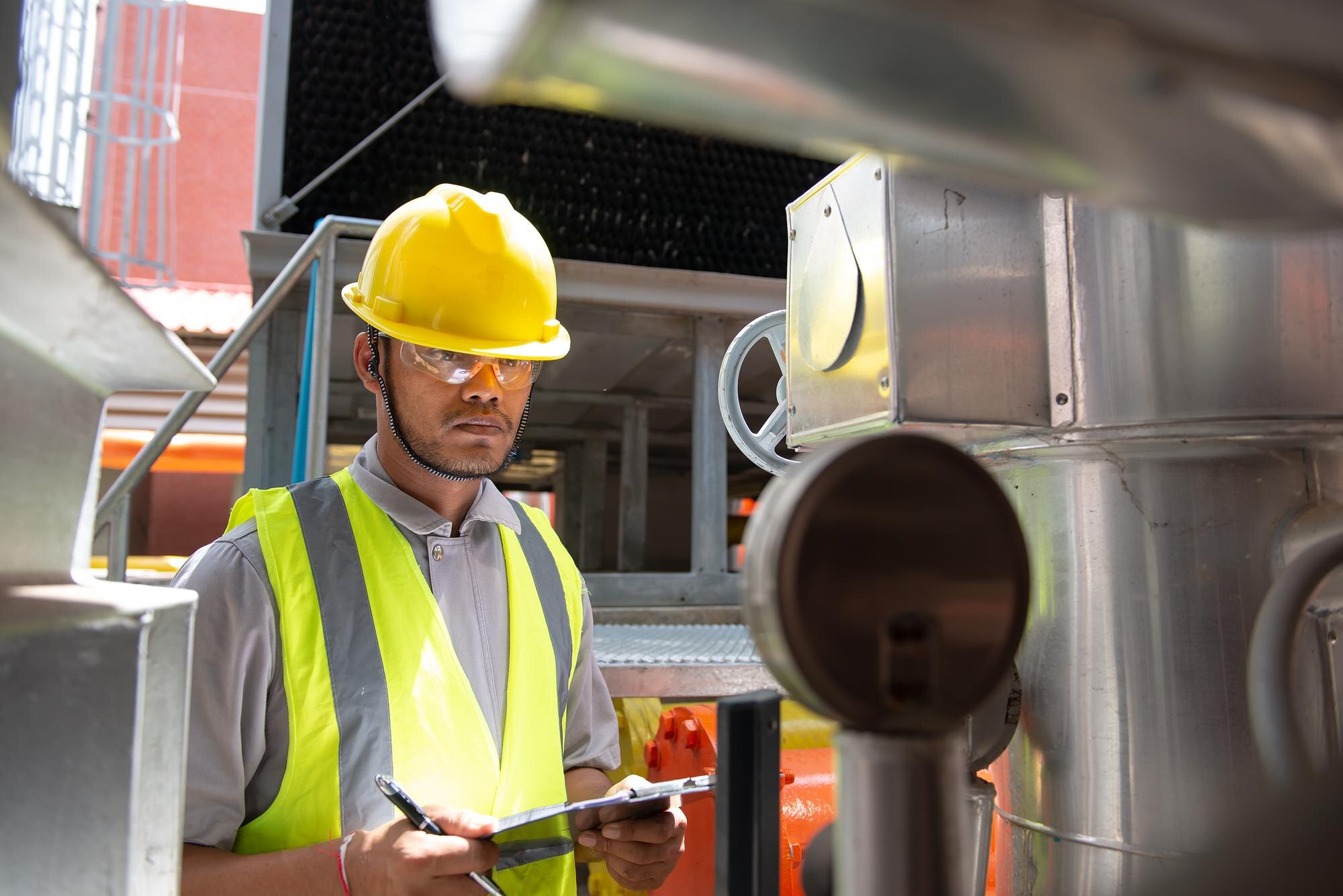
Staying ahead means adopting strategies that anticipate future needs. Predictive maintenance offers a proactive approach to HVAC management.
Variable Frequency Drives and EC Fans
Variable Frequency Drives (VFD) and Electronically Commutated (EC) fans adjust motor speed to match HVAC demand. This reduces energy use and wear on your systems. Imagine your HVAC system running smoothly, with minimal downtime and reduced maintenance costs. VFDs and EC fans are a smart investment, saving energy and extending equipment life.
Magnetic Bearing Chillers
Magnetic bearing chillers offer a frictionless cooling solution. These chillers operate more quietly and efficiently than traditional systems. With fewer moving parts, maintenance becomes simpler, and the risk of breakdowns decreases. Magnetic chillers can improve energy efficiency by up to 50%.
HVAC Retrofit and Lifecycle O&M
Upgrading existing systems through retrofitting enhances performance and extends lifespan. Retrofitting allows you to integrate new technologies without the cost of a full replacement. This approach is both economical and efficient, ensuring your HVAC system remains up-to-date.
Lifecycle Operations and Maintenance (O&M) focus on proactive care, reducing unexpected failures. Regular maintenance checks and updates keep your system running optimally, safeguarding your investment.
To find out more about the latest in HVAC systems, read this report. By adopting these innovative solutions, you’re not just meeting today’s needs but also securing your building’s future.