
Critical Factors in Selecting Fire-Fighting Systems for UAE Properties
Selecting the right fire fighting systems UAE properties demand sharp attention to detail and strict code compliance. Many developers overlook critical factors like UAE Fire and Life Safety Code requirements and UAE Civil Defense approval, risking costly delays. This guide breaks down key points from sprinkler system design to clean agent suppression, helping you make confident decisions. Speak with FirstWay’s fire protection team. Schedule a site survey and code compliance review today. For more information, visit this link.
Choosing the Right System
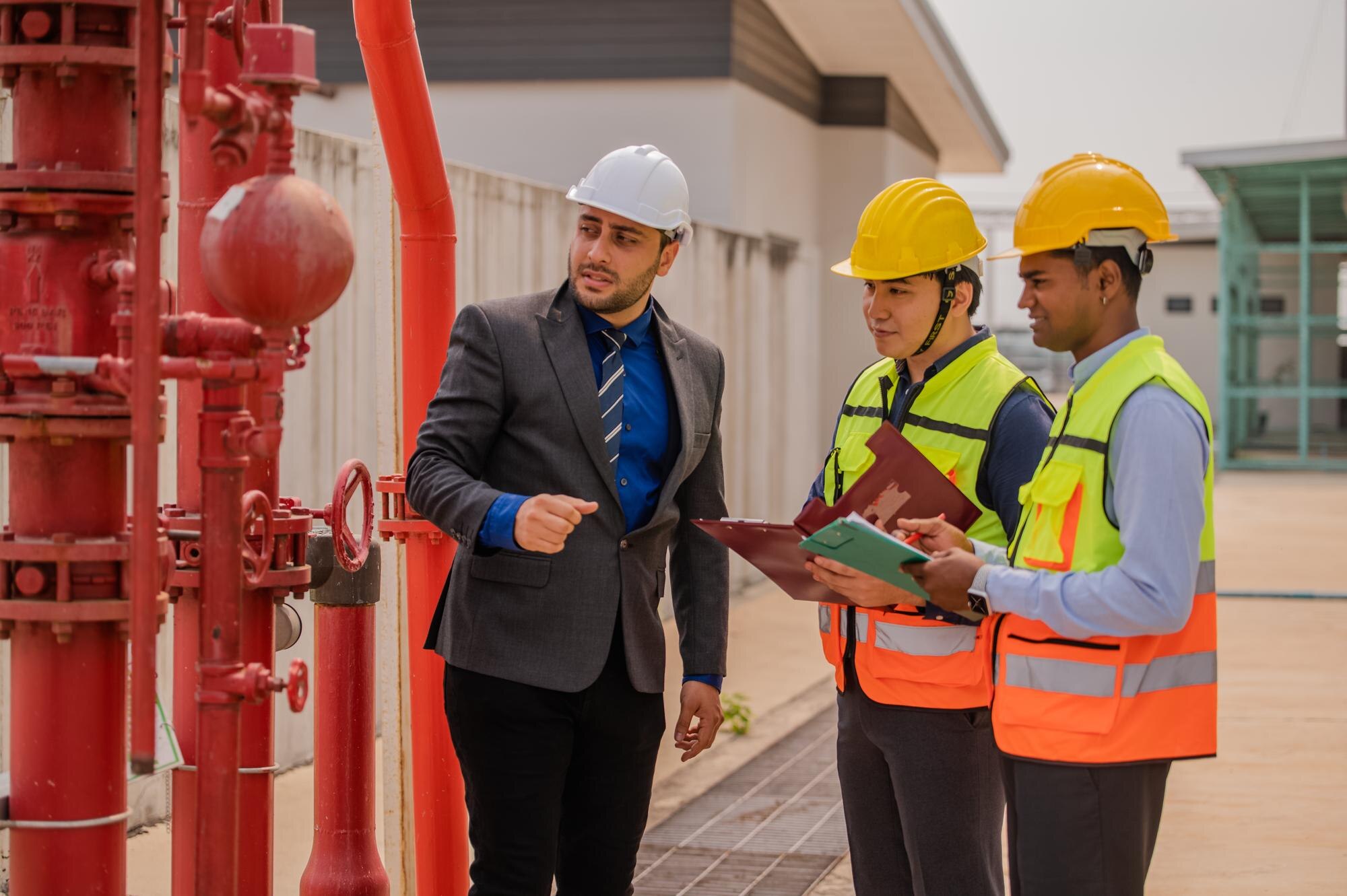
Selecting the best fire safety system requires understanding local laws and available options. With various systems, picking the right one depends on your property’s needs.
Understanding UAE Fire Codes
Fire safety in the UAE is guided by specific codes. These rules ensure buildings are safe and prevent fire hazards. The UAE Fire and Life Safety Code is vital for developers. It lays out what you need to ensure safety, from building materials to alarm systems. Missing even one requirement can lead to delays. It’s not just about following rules; it’s about protecting lives. For more insights, consider reading about fire safety equipment.
System Types and Applications
Choosing a system involves knowing what each offers. Sprinkler systems are common due to their effectiveness. They activate when heat from a fire is detected. On the other hand, clean agent suppression systems are suitable for data centers. They quickly put out fires without damaging equipment. You might also consider water mist systems, which are ideal for areas with limited water supply. Their fine mist suppresses flames without soaking everything. Each system has its advantages, but the right choice depends on your specific needs.
Design and Compliance
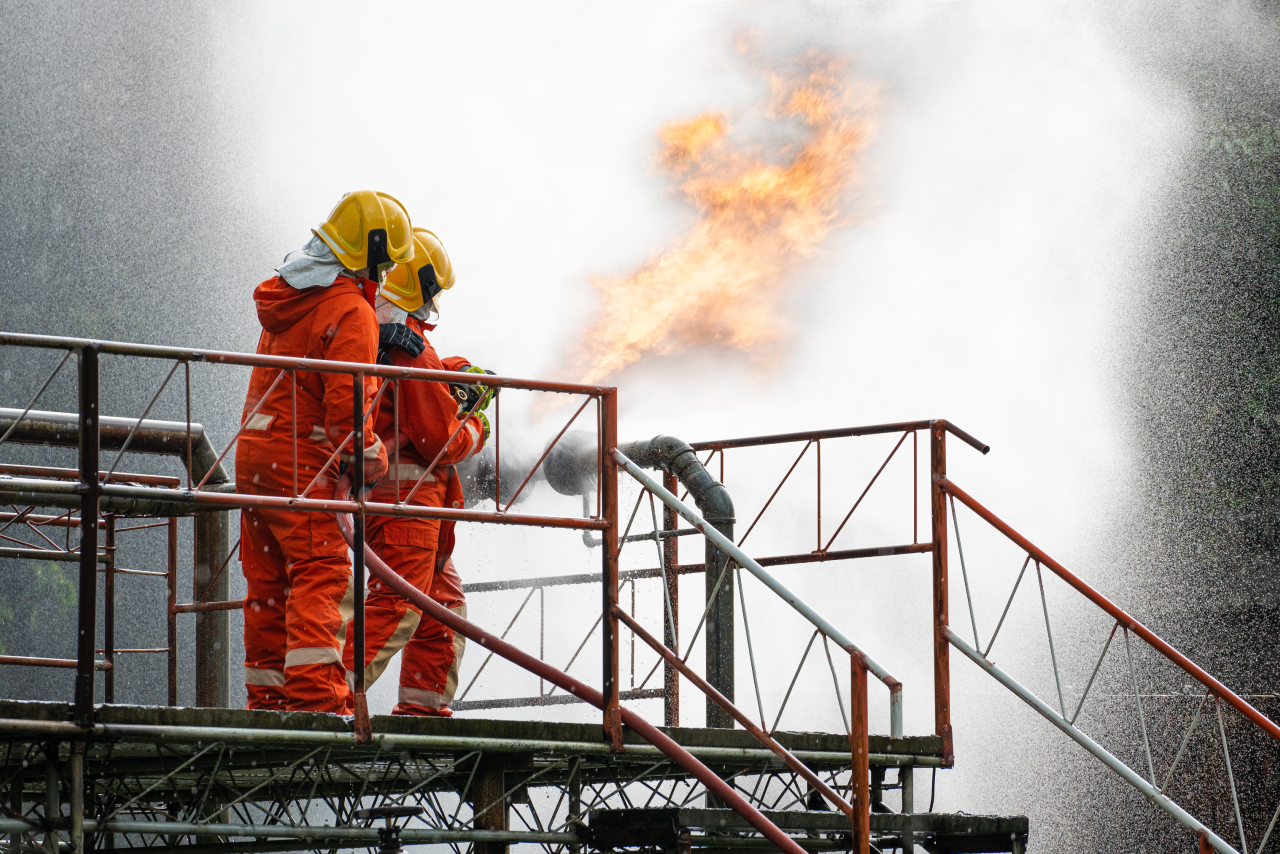
Once you’ve chosen a system, design and compliance become crucial. Proper design ensures the system is effective when it matters most.
Sprinkler System Design Essentials
Designing an effective sprinkler system involves several steps. First, assess the layout of your building. This helps determine the number of sprinklers needed. Use the standards set by NFPA 13, which provide guidelines for spacing and installation. Remember, a well-designed system reduces fire damage and enhances safety. Proper design also speeds up UAE Civil Defense approval, preventing costly delays.
Fire Pump Room Requirements
The fire pump room is the heart of your system. It houses pumps that ensure sufficient water flow during a fire. Key factors include the size of the room and ventilation. The room should be easily accessible for maintenance and emergency situations. It’s vital to comply with fire pump room requirements to ensure reliability. A well-maintained pump room can make a significant difference during an emergency. Regular checks and adherence to standards ensure everything works smoothly when needed.
Maintenance and Integration
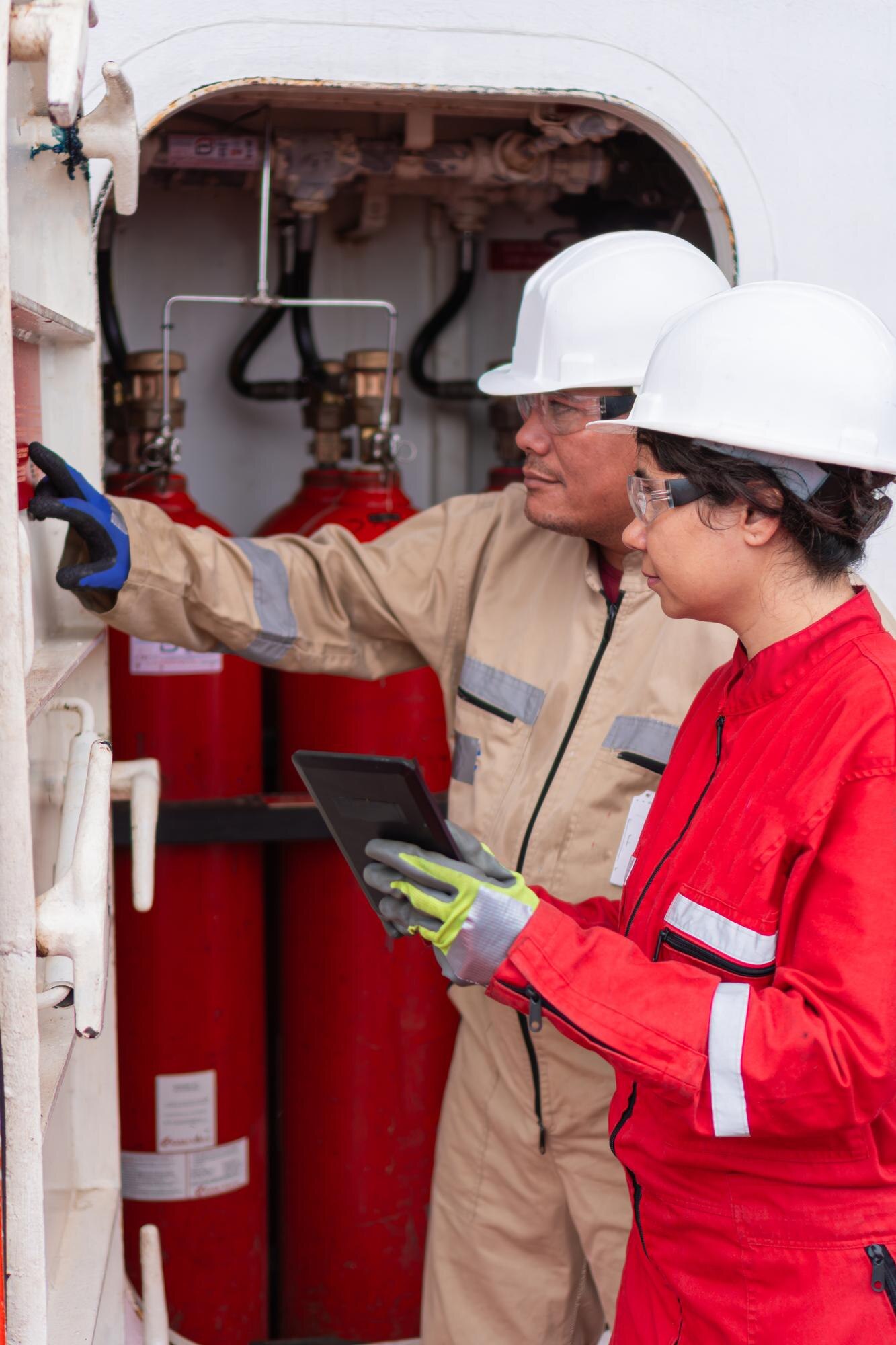
Proper maintenance and integration of your fire protection systems make all the difference. They ensure ongoing safety and seamless operation.
Fire Protection Maintenance Essentials
Routine maintenance is key to system reliability. This includes regular inspections and testing of all components. Ensure that sprinklers are free of obstructions and alarms are functional. Maintenance isn’t just about compliance; it’s about ensuring safety over time. Regular checks catch issues before they become problems. Most people think fire systems run smoothly without attention, but consistent care is crucial. Learn more about the importance of maintenance from this study.
ELV and BMS Integration
For complete safety, integrate your fire systems with ELV (Extra-Low Voltage) and BMS (Building Management Systems). This integration allows for centralized monitoring. It enhances response times during emergencies. Coordinating these systems ensures everything works together efficiently. It’s a step that might often be overlooked, but it makes managing your building’s safety systems much easier. Not only does it streamline operations, but it also enhances overall building safety. Here’s a detailed article for understanding these integrations better.
In summary, choosing and maintaining the right fire safety systems is crucial for property safety. Having the right systems in place, designed and maintained properly, ensures peace of mind. Whether you’re developing a new property or upgrading an existing one, understanding these essentials is vital. Trust FirstWay to guide you in making informed decisions that protect both property and people.