
Unlocking the Future: Benefits of Smart Building Automation in Modern Constructions
Smart building automation is no longer an option; it’s a key driver in modern constructions. If your projects still rely on traditional controls, you’re missing out on precise energy management and enhanced sustainability. FirstWay’s expertise delivers smart building technology that boosts control, cuts costs, and supports lasting efficiency. Keep reading to see how integrating these systems can set your construction projects apart. Learn more.
Energy Efficiency and Cost Savings
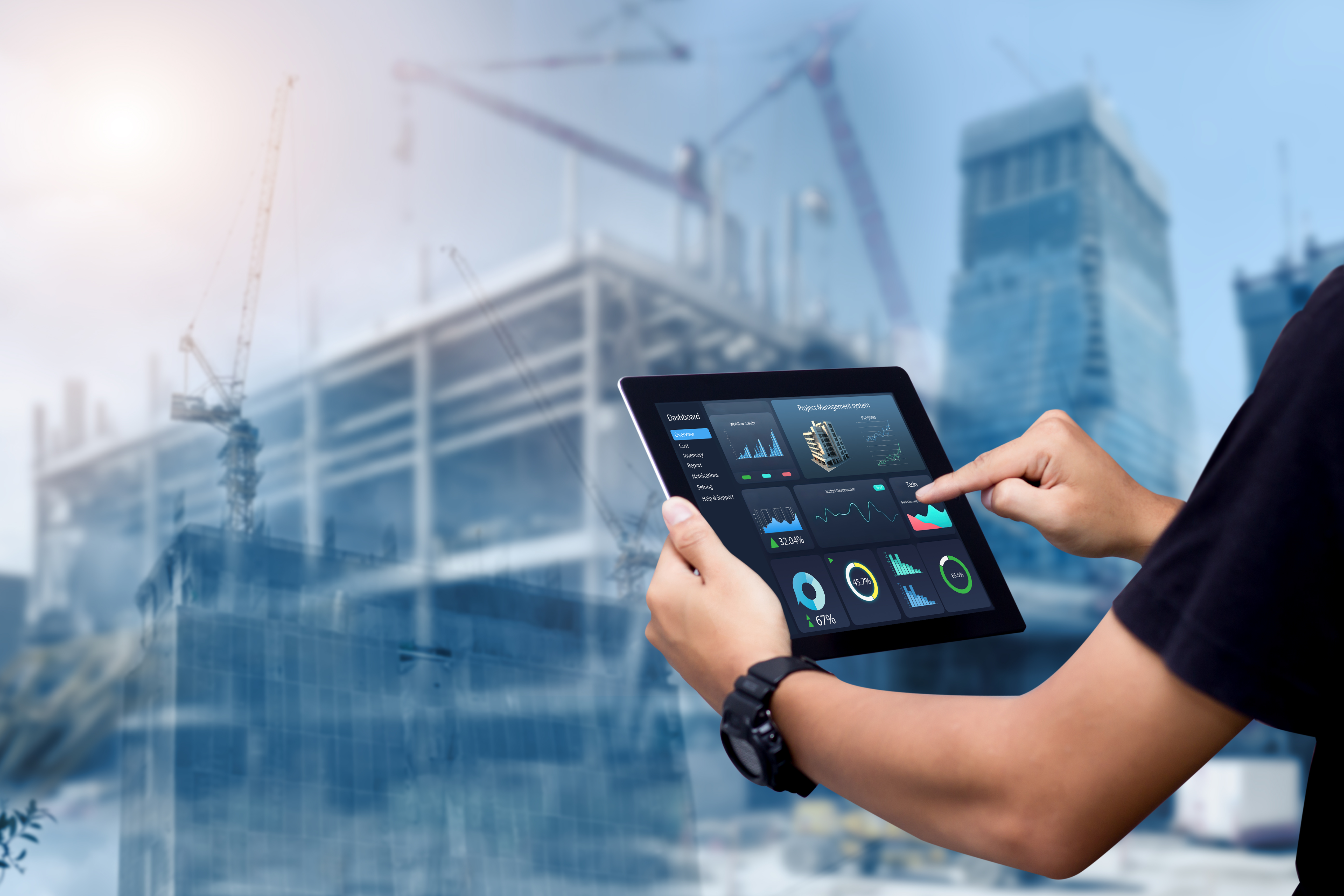
Smart building automation offers a crucial advantage: saving energy and reducing costs. Let’s explore how these systems transform constructions into efficient powerhouses.
Reducing Energy Consumption
Imagine cutting energy use by 30% through precise control of lights and HVAC systems. Smart building automation makes this possible by adjusting settings based on occupancy and time of day. Picture your building automatically dimming lights when rooms are empty or optimizing temperature settings when everyone leaves for the day. These small changes add up to significant savings on your energy bills.
Another way smart systems help is by collecting data. They monitor energy use and identify where waste occurs, enabling you to take action. For instance, you might spot that the heating runs unnecessarily at night. By making tweaks, you can drive down consumption even further. According to Johnson Controls, smart solutions can lead to major energy savings.
Lowering Operational Costs
With energy usage under control, operational expenses often see a decline. Automated systems reduce the need for manual intervention, cutting labor costs. Think of how much time your team spends managing tasks that could be automated, like adjusting thermostats or turning off equipment. By automating these processes, your team can focus on more critical tasks, boosting productivity.
Maintenance costs also decrease. Smart systems predict issues before they become costly repairs. For instance, they can alert you to a failing HVAC component, allowing for proactive maintenance. This approach not only extends equipment life but also prevents unexpected expenses. The Allied Telesis blog highlights how smart buildings streamline operations, saving you money over time.
Enhancing Sustainability in Constructions
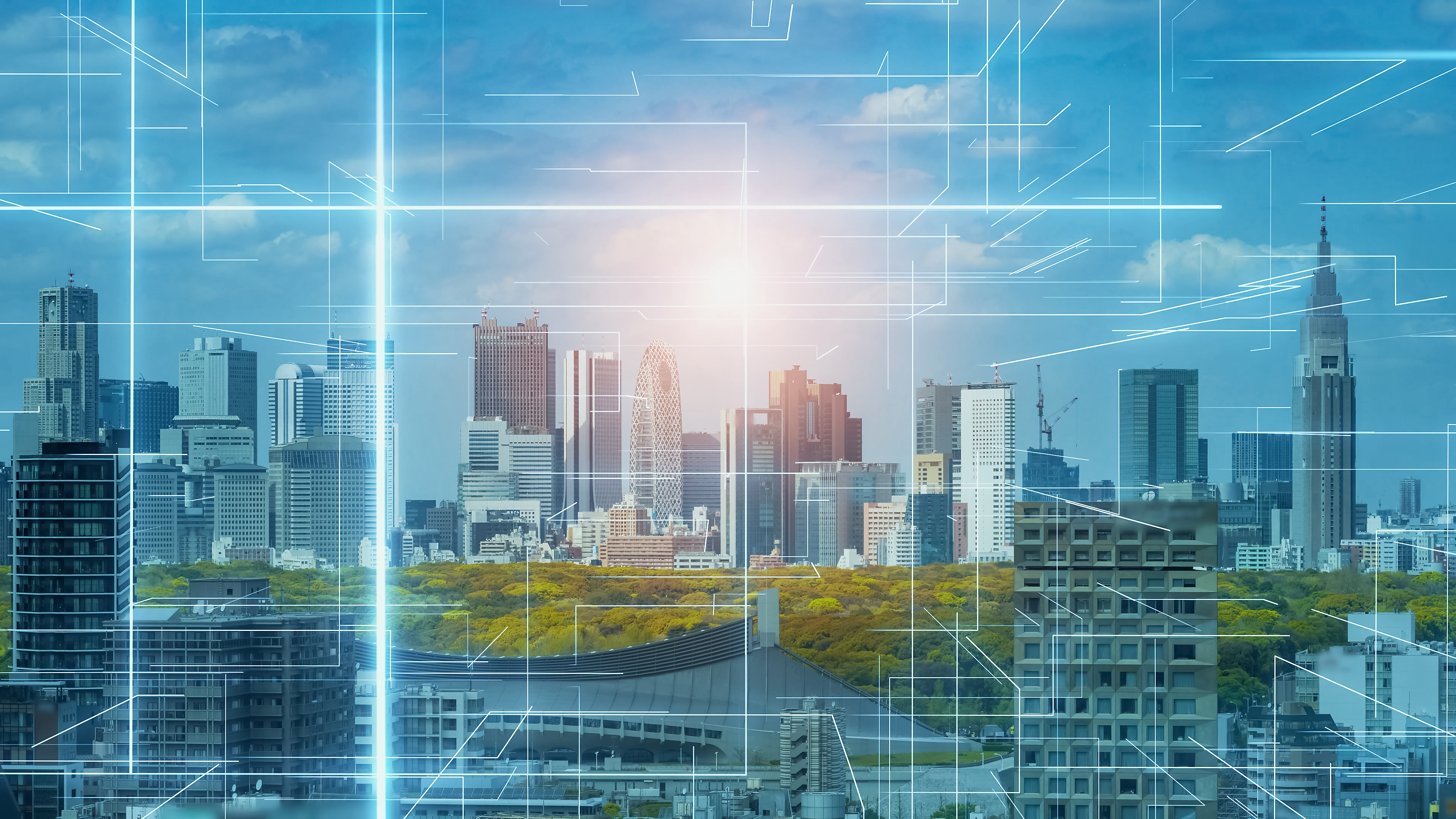
Moving beyond cost savings, smart building automation plays a key role in sustainable building practices. Let’s delve into the eco-friendly benefits that set your projects apart.
Eco-Friendly Building Practices
Smart technology supports sustainable practices by minimizing resource use. Automated lighting and temperature controls mean less energy waste. For example, smart windows can adjust tinting to reduce solar heat gain, cutting cooling needs. These innovations help you meet sustainability goals while maintaining comfort.
Using sustainable materials and methods is crucial. Smart systems monitor air quality and energy use, guiding decisions on materials and design. This approach ensures your projects meet green building standards, which are increasingly important to developers and clients alike. As Nhance.ai notes, these practices not only benefit the environment but also enhance your building’s reputation.
Long-Term Environmental Benefits
Smart buildings offer long-term benefits by reducing environmental impact. They lower emissions through efficient energy use and promote renewable energy integration. Consider solar panels paired with smart systems; they optimize energy storage and usage, maximizing the benefits of clean energy.
By investing in smart building technology, you’re contributing to a healthier planet. This commitment attracts eco-conscious clients and partners, enhancing your brand’s image. The CIM blog discusses how these systems play a vital role in creating a sustainable future, making your projects more appealing to modern clients.
Advanced Control and Monitoring
The final piece of the puzzle is how these systems offer advanced control and monitoring capabilities, pushing your projects to new heights of efficiency.
Smart Technology Integration
Smart building automation seamlessly incorporates advanced technology, providing a high level of control. Imagine controlling everything from lighting to security from a single interface. This integration simplifies management and enhances user experience. For instance, if a tenant wants to adjust their room’s temperature, they can do so via a smartphone app, offering unparalleled convenience.
Integration also supports scalability. As your needs grow, smart systems adapt easily, ensuring your building remains cutting-edge. This flexibility is essential in keeping up with technological advancements and client expectations. Discover how Allied Telesis describes the seamless blending of smart technologies in modern constructions.
Real-Time Data Access and Management
Access to real-time data transforms how you manage your buildings. Smart systems provide insights into energy use, equipment status, and environmental conditions. This data helps you make informed decisions, optimize building performance, and respond swiftly to issues. For example, if a system detects unusual energy spikes, you can investigate and address the cause immediately.
Data also supports sustainability goals. By analyzing patterns, you can tweak operations to enhance efficiency and reduce waste. This proactive approach ensures your buildings operate at peak performance, aligning with both cost-saving and environmental objectives. The Johnson Controls blog highlights the power of data in driving smarter building management.
Incorporating smart building automation into your projects offers transformative benefits. From energy efficiency and cost savings to sustainability and advanced control, these systems are essential for modern constructions. By choosing smart technology, you’re setting your projects apart and contributing to a sustainable future.